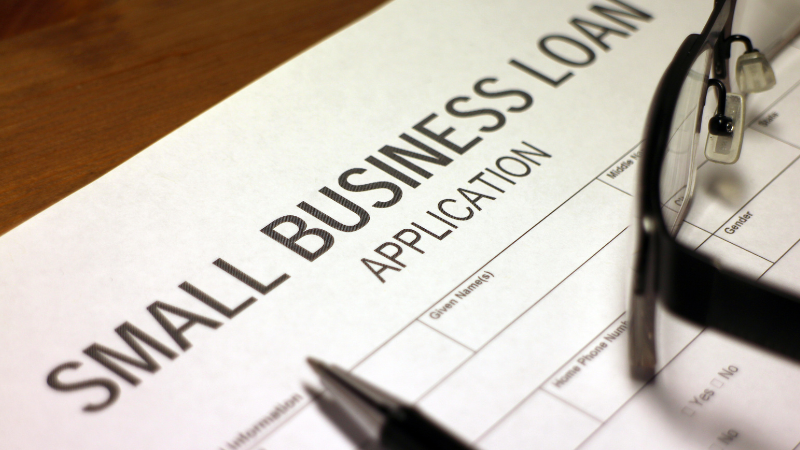
Getting a small business loan used to mean one thing: a nervous meeting with a bank loan officer, a stack of paperwork and a long wait for an answer.
That world still exists, but it’s no longer the only door. Between SBA-backed programs, online lenders, credit unions, and revenue-based financing, U.S. small business owners in 2026 have more paths to capital than ever — and more ways to get it wrong.
This guide walks through the process the way an experienced lender or broker would explain it to a friend: what to figure out first, how to shop for the right lender, what paperwork to have ready and what actually happens after you hit submit.
1. Figure Out How Much Your Business Can Actually Afford
Before you think about lenders or loan types, do the math on repayment. This is the step most owners skip, and it’s the one that gets businesses into trouble fastest.
Start with your debt service coverage ratio (DSCR) — your net operating income divided by your total debt payments. Most lenders want to see a DSCR of at least 1.25, meaning your business generates 25% more cash than it needs to cover loan payments. Anything below 1.0 means you’re not generating enough to cover the debt at all, on paper or in practice.
Look at your cash flow across a full year not just your best month. Seasonal businesses especially need a repayment plan that survives the slow months not just the busy ones. A loan that looks manageable in December can strangle you in February.
2. Choose the Right Loan Type for What You Actually Need
“I need a business loan” is the start of the conversation, not the end of it. The right product depends entirely on what the money is for.
- SBA 7(a) loans — the most flexible SBA product, usable for working capital, equipment, real estate, or refinancing debt. Rates in 2026 typically run in the 9.75%–14.75% APR range, with the SBA capping how much lenders can add above the prime rate.
- SBA 504 loans — built specifically for buying commercial real estate or major equipment. These use a two-part structure (a bank loan plus a below-market CDC-backed portion) and currently land around 5%–7% APR on the CDC piece, making them meaningfully cheaper for large, fixed-asset purchases.
- SBA microloans — smaller amounts, up to $50,000, aimed at startups and very small operations. Rates run roughly 8%–13%.
- Term loans — a lump sum repaid on a fixed schedule, good for a one-time investment like renovation or a big inventory buy.
- Business lines of credit — a revolving pool you draw from as needed, better suited to smoothing out cash flow gaps than funding a single large purchase.
- Equipment financing — the equipment itself acts as collateral, often making approval easier than an unsecured loan.
- Invoice factoring or merchant cash advances — fast cash against receivables or future sales, useful in a pinch but generally the most expensive way to borrow.
Matching the loan to the purpose isn’t just tidy bookkeeping — lenders notice when the request and the use of funds don’t line up, and it can slow down or sink an application.
Read Also – What Is Series Funding?
3. Determine Your Eligibility Before You Apply
Two questions decide most of this: how long has the business been open, and can it show it can handle the payments.
How long have you been in business?
Time in business is one of the first filters any lender applies. Most banks and SBA lenders want at least two years of operating history. Online lenders are more forgiving — some will work with businesses as young as six months — but they typically charge more for that flexibility. Startups with no operating history usually end up looking at SBA microloans, personal savings, friends-and-family funding, or business credit cards rather than a traditional term loan.
Can you afford the payments?
Beyond DSCR, lenders look at personal and business credit scores (many want 650+ for SBA products, though online lenders sometimes accept lower), annual revenue, existing debt, and available collateral. It’s worth pulling your credit report before you apply, not after a lender does it for you — fixing an error or paying down a card balance a few weeks ahead of time can genuinely move the needle.
4. Research and Compare Lenders
Not all lenders play in the same sandbox.
Banks and credit unions tend to offer the lowest rates but the slowest, strictest process. Online lenders move fast — sometimes funding within 24 to 48 hours but usually at a higher cost. SBA-preferred lenders sit somewhere in between government-backed rate caps with a more involved application.
When comparing offers, look past the headline interest rate. Compare the full APR (which bundles in fees), the repayment term any prepayment penalties, collateral requirements and how the lender structures payments daily, weekly or monthly can make a real difference to cash flow.
Getting quotes from at least three lenders including one bank, one credit union and one online lender, tends to produce the clearest picture of what “market rate” actually looks like for your business right now.
5. Gather Your Application Documents
Most lenders — bank or online — will ask for some version of the following:
- Business and personal tax returns (typically the last two to three years)
- Profit and loss statements and balance sheets
- Bank statements (usually three to twelve months)
- A business plan, especially for startups or larger loan amounts
- Business licenses and formation documents (articles of incorporation, EIN)
- A debt schedule listing any existing loans or credit lines
- Collateral documentation, if the loan is secured
Having these organized before you start an application — rather than scrambling for them mid-process — is one of the simplest ways to speed up approval.
6. Apply for the Loan
Online applications for smaller loans can often be completed in under 30 minutes. SBA and bank applications take longer and may involve a call or in-person meeting with a loan officer. Be precise and consistent across every document — mismatched figures between your tax returns and your P&L statement are one of the most common reasons applications stall.
7. Review the Agreement and Get Funded
Before signing anything, read the full loan agreement — not just the rate and term. Check for prepayment penalties, personal guarantee requirements, UCC liens on business assets, and any covenants that could restrict how you operate (like limits on taking on additional debt). It’s worth having an accountant or attorney glance over a larger loan agreement before you sign.
Once signed, funding timelines vary: online lenders can deposit funds within a day or two, while SBA and bank loans typically take one to three months from application to funding, depending on the complexity of the deal.
Quick gut-check: If you can’t clearly answer “what is this loan for, and how does it pay for itself,” pause before applying. The clearest applications — and the ones lenders approve fastest — are the ones where the borrower already knows the answer.
Frequently Asked Questions
Getting a business loan depends on your credit score, revenue, time in business, and financial history. Banks and SBA lenders usually have stricter requirements, while online lenders may offer easier approval at higher costs.
You can apply through banks, credit unions, SBA-approved lenders, and online business lenders. Compare interest rates, fees, repayment terms, and eligibility before choosing a lender.
New businesses typically need a business plan, good personal credit, proof of personal investment, and sometimes collateral or a personal guarantee. Startups may also consider SBA microloans or business credit cards.
Online lenders may approve and fund loans within one or two days. Bank loans can take several weeks, while SBA loans may take one to three months.
Ask the lender why your application was rejected. You can improve your credit, reduce debt, provide stronger financial records, request a smaller loan, add collateral, or apply with another lender.
Common reasons include poor credit, limited business history, low or inconsistent revenue, high debt, bankruptcy, incomplete financial records, or operating in a high-risk industry.
Bank loans are generally harder to qualify for than online business loans. Banks typically prefer established businesses with strong credit, steady cash flow, several years of history, and sometimes collateral. In return, qualified borrowers may receive lower interest rates.