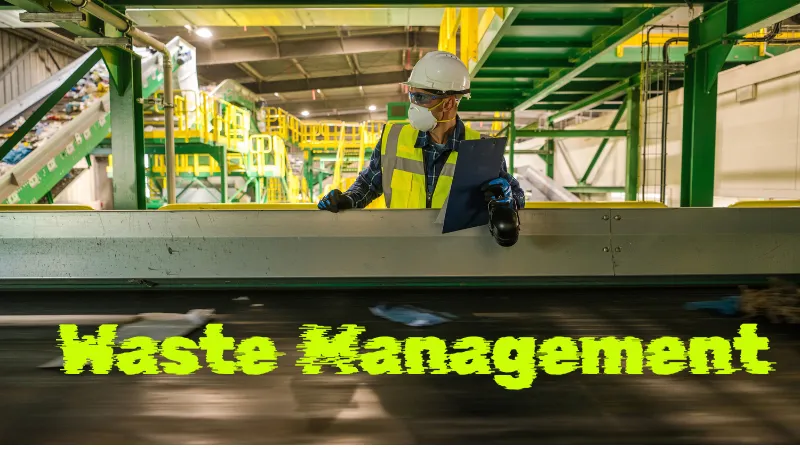
Waste management is the process of collecting, transporting, treating, recycling, recovering, and disposing of waste materials in a safe and controlled manner. It includes all activities involved in managing waste from the point where it is generated until its final treatment or disposal.
Modern waste management focuses not only on removing waste but also on reducing waste generation, recovering valuable resources, and minimizing environmental impact. It plays an important role in protecting public health, conserving natural resources, and supporting a circular economy.
Waste can come from households, commercial buildings, industries, construction activities, healthcare facilities, agricultural operations, and electronic equipment. Different types of waste require different management methods because their environmental risks and recycling potential vary.
History of Waste Management
Waste management has existed for thousands of years as societies developed methods to handle human and industrial waste.
Early communities often disposed of waste in open areas. As cities grew, improper waste disposal created serious problems including disease outbreaks and environmental pollution.
During the industrial revolution, waste production increased significantly due to manufacturing growth. This led governments to establish organized waste collection systems and regulated disposal methods.
Modern waste management has moved beyond disposal and now focuses on:
- Waste prevention
- Recycling
- Resource recovery
- Sustainable treatment methods
- Environmental protection
Types of Waste
Waste is classified based on its source, composition, and potential environmental impact.
Municipal Solid Waste (MSW)
Municipal solid waste refers to everyday waste generated from homes, offices, schools, and public places.
Examples include:
- Food waste
- Paper
- Packaging materials
- Plastic products
- Household items
Municipal waste management involves collection, sorting, recycling, composting, and disposal.
Related page opportunity: → Municipal Solid Waste Management
Industrial Waste
Industrial waste is generated from manufacturing facilities, factories, and industrial operations.
Examples include:
- Metal scraps
- Chemicals
- Production residues
- Manufacturing by-products
- Process waste
Industrial waste requires specialized handling because some materials may contain hazardous substances.
Related page opportunity: → Industrial Waste Management
Hazardous Waste
Hazardous waste includes materials that can harm humans, animals, or the environment due to their chemical, biological, or physical properties.
Examples include:
- Toxic chemicals
- Solvents
- Heavy metals
- Contaminated materials
- Certain industrial residues
Hazardous waste management requires strict regulations and controlled treatment processes.
Read more Hazardous Waste Management
Electronic Waste (E-Waste)
Electronic waste, commonly known as e-waste, refers to discarded electronic devices and equipment.
Examples include:
- Computers
- Smartphones
- Servers
- Batteries
- Electronic components
E-waste contains valuable materials such as copper, gold, silver, and rare earth metals. It also contains hazardous materials that require responsible recycling.
E-Waste Management: Process, Types, Recycling & Benefits
Construction and Demolition Waste
Construction and demolition waste (C&D waste) is generated during building construction, renovation, and demolition activities.
Examples include:
- Concrete
- Wood
- Bricks
- Glass
- Metals
- Drywall
Many construction materials can be recovered and reused through proper recycling methods.
Related page opportunity: → Construction Waste Management
Medical Waste
Medical waste is generated from hospitals, clinics, laboratories, and healthcare facilities.
Examples include:
- Used medical equipment
- Surgical waste
- Sharps
- Contaminated materials
Medical waste requires specialized treatment to prevent health risks.
Related page opportunity: → Medical Waste Management
Organic Waste
Organic waste comes from natural materials that can break down through biological processes.
Examples include:
- Food waste
- Garden waste
- Agricultural waste
Organic waste can be managed through:
- Composting
- Anaerobic digestion
- Biological treatment
Related page opportunity: → Organic Waste Management
Read more – How to Create an Sustainable Garden.
Waste Management Process
Waste management involves multiple stages to ensure waste is handled safely and efficiently.
Waste Generation
Waste generation is the first stage of waste management. It occurs when individuals, businesses, or industries create materials that are no longer useful.
Reducing waste generation is one of the most effective ways to improve sustainability.
Related page opportunity: → Waste Reduction Strategies
Waste Collection
Waste collection involves gathering waste from homes, businesses, industries, and public areas.
Collection systems may include:
- Residential pickup
- Commercial waste collection
- Industrial waste collection
- Recycling collection programs
Efficient collection prevents waste accumulation and reduces environmental risks.
Related page opportunity: → Waste Collection Services
Waste Transportation
Waste transportation is the movement of collected waste from collection points to treatment or disposal facilities.
Special vehicles and containers are often used depending on the type of waste being transported.
Hazardous materials require additional safety measures during transportation.
Related page opportunity: → Waste Transportation Services
Waste Sorting and Segregation
Waste segregation is the process of separating waste into different categories before treatment.
Common categories include:
- Recyclable waste
- Organic waste
- Hazardous waste
- General waste
Proper sorting improves recycling efficiency and reduces landfill dependency.
Related page opportunity: → Waste Segregation
Waste Treatment
Waste treatment refers to processes used to reduce waste volume, remove harmful materials, or recover resources.
Common treatment methods include:
- Recycling
- Composting
- Incineration
- Biological treatment
- Chemical treatment
Waste Recycling
Waste recycling is the process of converting waste materials into new products or usable materials.
Common recyclable materials include:
- Paper
- Plastic
- Glass
- Metals
- Electronics
Recycling helps conserve resources and reduces the need for raw material extraction.
Explore to know about the Waste Recycling Services.
Waste Recovery
Waste recovery focuses on extracting value from waste materials.
Examples include:
- Material recovery
- Energy recovery
- Resource extraction
Waste recovery helps reduce the amount of waste sent to landfills.
Related page opportunity: → Waste Recovery Solutions
Waste Disposal
Waste disposal is the final stage where waste that cannot be reused or recovered is safely managed.
Common disposal methods include:
- Landfill disposal
- Controlled incineration
- Secure hazardous waste disposal
Modern waste management aims to minimize disposal through recycling and recovery.
Explore more Waste Disposal Services.
Waste Management Methods
Recycling
Recycling converts waste materials into new products.
Benefits include:
- Reduced resource consumption
- Lower energy usage
- Reduced landfill waste
Composting
Composting is a natural process where organic waste breaks down into nutrient-rich material.
It is commonly used for:
- Food waste
- Yard waste
- Agricultural waste
Landfill
A landfill is an engineered facility where waste is deposited and managed.
Modern landfills include systems for:
- Waste containment
- Gas collection
- Leachate control
Incineration
Incineration is a thermal treatment process where waste is burned at high temperatures.
It reduces waste volume and can generate energy.
Waste-to-Energy
Waste-to-energy technology converts waste materials into usable energy.
It can produce:
- Electricity
- Heat
- Fuel
Anaerobic Digestion
Anaerobic digestion is a biological process where microorganisms break down organic waste without oxygen.
It produces:
- Biogas
- Digestate
Waste Management Hierarchy
The waste management hierarchy represents the preferred order for managing waste.
The hierarchy includes:
Waste Prevention
Avoiding waste creation before it happens.
Waste Reduction
Reducing the amount of waste generated.
Reuse
Using products multiple times instead of disposing of them.
Recycling
Processing waste into new materials.
Recovery
Recovering energy or resources from waste.
Disposal
Safely disposing of remaining waste.
Industrial Waste Management
Industrial waste management focuses on controlling waste generated from manufacturing and industrial processes.
Industries use waste management systems to:
- Reduce waste generation
- Improve compliance
- Recover materials
- Protect workers
- Reduce environmental impact
Common industries requiring waste management include:
- Manufacturing
- Automotive
- Chemical processing
- Energy
- Mining
- Food production
Sustainable Waste Management
Sustainable waste management focuses on managing waste while protecting natural resources and reducing environmental impact.
Key approaches include:
- Recycling programs
- Renewable energy recovery
- Circular economy practices
- Sustainable packaging
- Waste reduction strategies
Circular Economy and Waste Management
A circular economy is an approach where resources remain in use for as long as possible.
Instead of the traditional:
Take → Make → Dispose
A circular economy follows:
Reduce → Reuse → Repair → Recycle → Recover
Waste management is a major part of creating a circular economy because it helps recover materials and reduce unnecessary disposal.
Waste Management Technologies
Modern waste management uses advanced technologies to improve efficiency.
Artificial Intelligence Waste Sorting
AI systems identify and separate waste materials automatically.
Smart Waste Management Systems
Smart systems use sensors and data analytics to improve waste collection routes and reduce operational costs.
Material Recovery Facilities (MRFs)
Material recovery facilities separate recyclable materials from mixed waste streams.
Waste Tracking Systems
Digital tracking helps organizations monitor waste movement and improve compliance.
Waste Management Regulations and Compliance
Waste management regulations are designed to protect people and the environment.
Organizations may need to follow requirements related to:
- Waste transportation
- Hazardous material handling
- Recycling standards
- Disposal practices
- Environmental reporting
Compliance requirements vary by country and industry.
Waste Management Glossary
Biodegradable Waste
Waste that naturally breaks down through biological processes.
Circular Economy
An economic model focused on reducing waste by keeping resources in use.
Composting
A natural process that converts organic waste into nutrient-rich material.
E-Waste
Discarded electronic products and equipment.
Hazardous Waste
Waste that presents risks to health or the environment.
Landfill
A controlled site where waste is deposited.
Leachate
Liquid produced when water passes through waste materials.
Material Recovery Facility (MRF)
A facility that separates recyclable materials from waste.
Recycling
The process of converting waste into reusable materials.
Resource Recovery
The process of extracting valuable materials or energy from waste.
Waste Audit
A process used to analyze the type and amount of waste generated by an organization.
Waste Diversion
Reducing waste sent to landfills through recycling and recovery.
Waste Minimization
Reducing the amount of waste created.
Zero Waste
An approach focused on eliminating waste through prevention, reuse, and recycling.
Future of Waste Management
The future of waste management will focus on smarter technology, better recycling systems, and sustainable resource use.
Important developments include:
- AI-powered recycling
- Advanced material recovery
- Waste-to-energy systems
- Improved recycling infrastructure
- Sustainable product design
- Digital waste tracking
As waste generation continues increasing, effective waste management will become essential for protecting the environment and creating a more sustainable future.
Plastic Waste: Causes, Effects, Management and Solutions.