Plastic waste is one of the biggest environmental problems in the world today. Plastic is used in almost every part of daily life. We use plastic bags, bottles, food packaging, containers, toys and many other products. Plastic is useful because it is light, strong and affordable. However, the large amount of plastic waste produced every day is causing serious damage to the environment.
Most plastic does not break down quickly. Instead it can remain in the environment for many years. Plastic waste can pollute land and water. It can harm animals and marine life. It can also create problems for communities and waste management systems.
Learning about the causes and effects of plastic waste can help us understand why reducing plastic pollution is important.
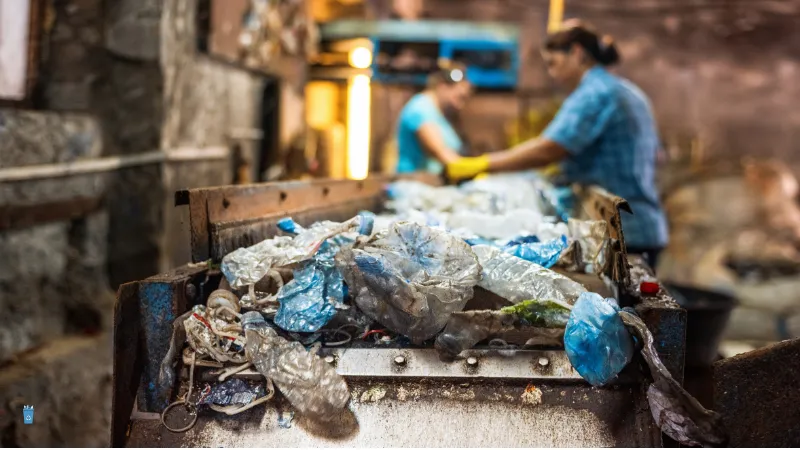
Plastic waste is any plastic material that is thrown away after it is no longer needed. It can come from homes, businesses, factories, farms, hospitals and other places.
Common examples of plastic waste include:
Some plastic products are used for only a few minutes. After use they may be thrown away. If these products are not collected and managed properly they can remain in the environment for a very long time.
Waste Management: Types, Process, Methods & Sustainability.
There are several causes of plastic waste. The growth of cities and increasing consumption have led to a rise in the use of plastic products.
Single-use plastic is one of the main causes of plastic pollution. Plastic bags, bottles, cups and food packaging are often used once and then discarded.
The short useful life of these products creates a large amount of waste.
Packaging is another major source of plastic waste. Food, drinks, cosmetics and household products often come in plastic packaging.
Packaging can protect products during storage and transport. However, unnecessary packaging can increase the amount of plastic that needs to be disposed of.
Plastic waste becomes a bigger problem when waste collection and disposal systems are not effective.
Plastic that is not collected can end up on roads, open land and in drainage systems. Rainwater can carry plastic waste into rivers and other waterways.
Some people may not understand the environmental effects of plastic waste. Throwing plastic on streets or into water can seem like a small action. When this happens on a large scale it can create serious pollution.
Better environmental education can encourage people to dispose of plastic responsibly.
E-Waste Management: Process, Types, Recycling & Benefits.
Plastic waste has many harmful effects on the environment. It can affect soil, rivers, oceans, wildlife and human communities.
Plastic waste can collect on open land and make the area dirty. Over time plastic can break into smaller pieces and mix with soil.
Plastic pollution can also affect natural habitats. Animals may come into contact with plastic waste while searching for food.
Plastic waste is a major source of water pollution. Plastic bags, bottles and packaging can enter rivers, lakes and oceans.
Once plastic enters water it can travel long distances. Removing it can be difficult and expensive.
Animals can mistake plastic for food. Birds, fish, turtles and other animals may swallow plastic pieces.
Animals can also become trapped in plastic bags, fishing lines and other plastic materials. This can cause injuries or prevent them from moving and feeding normally.
Plastic pollution is a serious problem for oceans and marine ecosystems. Plastic waste can float on the surface or settle on the ocean floor.
Marine animals can become trapped in plastic waste or consume small plastic particles.
Keeping plastic waste away from rivers and oceans is an important part of protecting marine life.
Microplastics are very small pieces of plastic. They can form when larger plastic items break into smaller pieces.
Microplastics can be found in water, soil and air. Because they are so small they can be difficult to remove from the environment.
Researchers continue to study the effects of microplastics on ecosystems and human health. Reducing plastic waste can help limit the amount of plastic that eventually breaks down into smaller particles.
Plastic pollution can also affect human communities. Poor waste disposal can create unhealthy surroundings. Burning plastic in open areas can produce harmful smoke and pollutants.
People can also come into contact with very small plastic particles through food, water and air. Scientists are continuing to research the possible long-term effects of microplastic exposure.
Reducing unnecessary plastic use and improving waste management can help create cleaner and healthier communities.
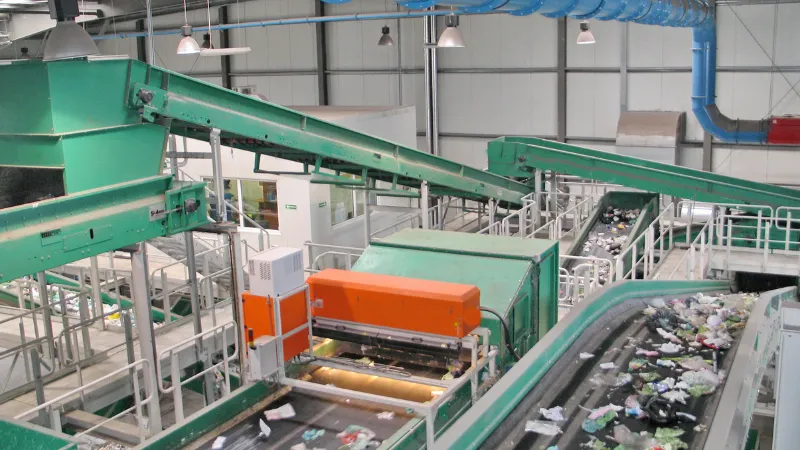
Plastic waste management means collecting, separating, treating and disposing of plastic waste in a responsible way.
Good plastic waste management can prevent plastic from reaching streets, rivers and oceans.
An effective waste management system should include:
Waste should ideally be separated at the point where it is created. This makes it easier to recycle materials and manage other types of waste.
Plastic recycling is the process of collecting and processing plastic waste so that some of the material can be used again.
Recycling can reduce the amount of plastic sent to landfills or discarded in the environment. It can also reduce the need for some new plastic materials.
However, not all plastic products are equally easy to recycle. Different types of plastic may require different processes. Dirty or mixed materials can also make recycling more difficult.
For this reason recycling is important but it should not be the only solution to plastic pollution.
The three Rs are Reduce, Reuse and Recycle. They provide a simple approach to reducing plastic waste.
The best way to reduce plastic waste is to use less plastic in the first place.
People can avoid unnecessary packaging and choose reusable products instead of disposable items.
Reusable products can be used many times. Reusable shopping bags, water bottles and food containers can reduce the need for disposable plastic.
Reusing a product can extend its useful life and reduce waste.
Plastic products that cannot be reused may be suitable for recycling. They should be separated and placed in the correct recycling system where facilities are available.
There are many simple ways to reduce plastic waste at home, at work and in public places.
People can:
These actions may seem small but they can have a meaningful impact when many people follow them.
Schools and colleges can play an important role in reducing plastic pollution. Students can learn about plastic waste and its effects on the environment.
Schools can provide separate waste bins and encourage students to use reusable bottles and lunch containers.
Environmental awareness programs can also help students understand the importance of responsible waste disposal.
Clean-up activities can give students practical experience in protecting their local environment.
Businesses produce and use a large amount of plastic packaging. They can help reduce plastic waste by using less unnecessary packaging.
Companies can also explore reusable or recyclable packaging where suitable.
Restaurants and shops can encourage customers to use reusable bags and containers.
Businesses can improve their waste collection systems and work with recycling organizations to manage plastic waste properly.
Governments can support plastic waste reduction through laws, policies and better waste management systems.
They can create rules for certain single-use plastic products. They can also improve waste collection and recycling facilities.
Public awareness campaigns can help people understand the importance of responsible plastic disposal.
Effective plastic waste management requires cooperation between government agencies, businesses and communities.
Plastic will continue to have useful applications in many areas. It is used in medicine, technology, transportation, construction and food safety.
The goal is not simply to remove all plastic. The bigger goal is to use plastic more responsibly and reduce unnecessary waste.
Future solutions may include better recycling systems, improved product design and alternative materials. Businesses can also work toward reducing the amount of plastic used in packaging.
Consumers can support these efforts by making responsible choices and reducing unnecessary plastic consumption.
Plastic pollution does not affect only one country or one community. Plastic waste can travel through rivers and oceans and affect ecosystems far from where it was originally discarded.
Reducing plastic waste can help protect wildlife and natural resources. It can also make communities cleaner and improve waste management.
Every person has a role to play. Small changes in everyday habits can help reduce the amount of plastic entering the environment.
Plastic waste is a growing environmental challenge. The causes of plastic waste include excessive use of single-use plastic, plastic packaging, poor waste management and a lack of awareness.
The effects of plastic waste can be seen in polluted land and water. Plastic pollution can also harm wildlife and marine ecosystems. Microplastics are another growing concern that requires continued research.
Plastic waste management can help reduce these problems. The most important steps are to reduce unnecessary plastic use, reuse products when possible and recycle suitable materials.
Individuals, schools, businesses and governments all have a role in reducing plastic pollution. Better choices and responsible waste management can help create cleaner communities and protect the environment for future generations.
Reducing plastic waste is not only an environmental responsibility. It is also a practical step toward a cleaner and healthier future.