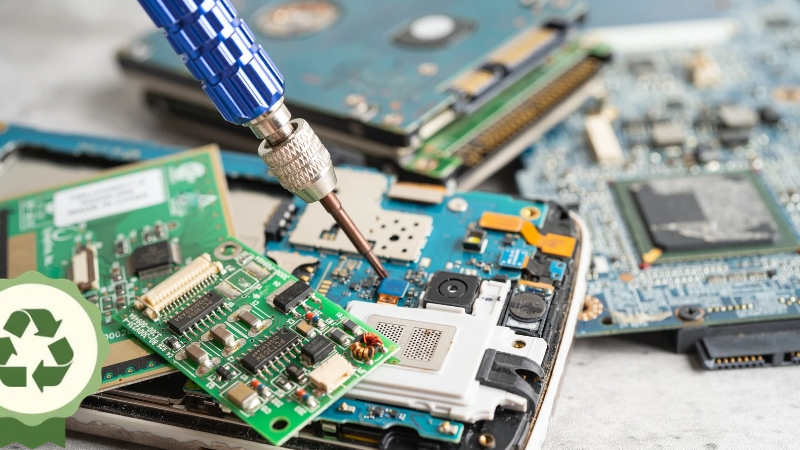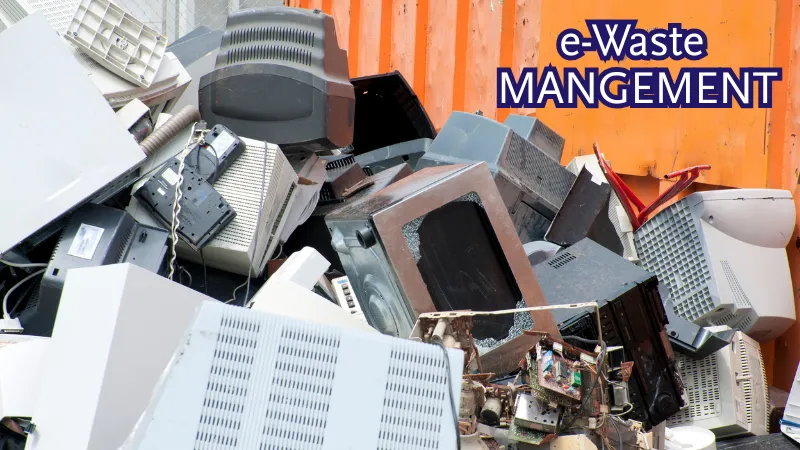
Electronic waste, commonly known as e-waste, has become one of the fastest-growing waste streams worldwide due to the rapid growth of technology, shorter device lifecycles, and increasing electronic consumption. Computers, smartphones, televisions, batteries, servers, industrial equipment, and other electronic products eventually become obsolete or reach the end of their useful life.
E-waste management refers to the systematic process of collecting, transporting, handling, recycling, recovering, and safely disposing of discarded electronic products. The primary goal is to recover valuable materials, reduce environmental risks, and prevent harmful substances from entering landfills or ecosystems.
Unlike traditional waste, electronic waste contains a complex combination of valuable resources and hazardous materials. Metals such as gold, silver, copper, aluminum, and rare earth elements can be recovered, while substances such as lead, mercury, cadmium, and certain flame retardants require controlled treatment.
A proper e-waste management system helps organizations, governments, manufacturers, and consumers move toward a circular economy where electronic materials are reused, recovered, and recycled instead of being permanently discarded.
E-waste refers to discarded electrical and electronic equipment that is no longer wanted, functional, or economically useful.
Examples include:
Electronic waste can come from:
The increasing dependency on electronics has created significant environmental and economic challenges.
Improper disposal of electronic devices can release toxic substances into soil, air, and water.
Hazardous materials found in electronics include:
Professional recycling prevents these materials from contaminating natural resources.
Electronic devices contain many recoverable resources.
Common recoverable materials include:
Recovering these materials reduces dependence on mining and supports resource conservation.
Millions of electronic devices are discarded every year. Sending electronics to landfills wastes valuable materials and increases environmental risks.
E-waste recycling allows materials to remain within the production cycle.
E-waste management supports a circular economy model by keeping materials in use for longer periods.
The circular approach includes:
E-waste is generally classified into different categories based on the type of equipment.
Includes:
Common recycling focus:
Includes:
Common recovered materials:
Examples:
Recycling involves:
Examples:
These often contain valuable circuit components.
Includes:
Industrial e-waste often requires specialized recycling processes.
A professional e-waste management system follows multiple stages.
The first step involves collecting discarded electronic equipment from:
Collection methods include:
Safe transportation prevents damage and environmental leakage.
Collected electronics are sorted based on:
Items may be categorized as:
Before recycling IT equipment, sensitive data must be permanently removed.
Data destruction methods include:
Software-based removal of information from storage devices.
Permanent destruction of storage media.
A certified process that ensures information cannot be recovered.
Electronic devices are manually or mechanically dismantled into separate components.
Components include:
Advanced recycling facilities use different technologies to separate materials.
Methods include:
Uses machines to separate materials based on:
Removes ferrous metals such as steel and iron.
Separates non-ferrous metals like aluminum and copper.
Uses sensors to identify and separate different materials.
Recovered materials are processed and reused in manufacturing.
Examples:
Copper → New wiring
Gold → Electronics manufacturing
Plastic → New products
Glass → New display materials
Materials that cannot be recycled are treated according to environmental standards.
Hazardous components require:
A chemical process that extracts valuable metals using liquid solutions.
Used for recovering:
Uses high temperatures to recover metals from electronic waste.
Commonly used for:
Uses microorganisms to recover metals from waste materials.
Modern facilities use:
to improve recycling efficiency.
Organizations benefit through:
New devices replace older products quickly, increasing waste generation.
Electronics contain mixed materials that require advanced recycling methods.
Many consumers do not know proper disposal methods.
Unsafe recycling methods can expose workers and communities to hazardous substances.
Improper disposal of electronics can expose confidential business information.
Companies generate large amounts of electronic waste through:
A business e-waste management program should include:
The circular economy focuses on keeping products and materials valuable for as long as possible.
The e-waste circular model includes:
Design → Use → Repair → Refurbish → Reuse → Recycle → Recover
Manufacturers increasingly focus on:
The process of recovering value from retired electronic equipment through resale, refurbishment, or recycling.
The process of recovering materials from used batteries while preventing hazardous chemical release.
An economic model focused on reducing waste by reusing, repairing, and recycling materials.
A location where electronic waste is gathered before recycling.
A secure process used to permanently remove information from electronic storage devices.
A verified method of making stored data permanently inaccessible.
Discarded electrical and electronic equipment that is no longer useful.
A policy approach where manufacturers are responsible for managing products after their useful life.
Electronic products that have reached the end of their functional or economic lifespan.
Substances that can harm humans or the environment, such as mercury, lead, and cadmium.
A professional process for managing retired IT equipment through reuse, recycling, and secure disposal.
Reducing the amount of waste sent to landfills through recycling and reuse.
A facility where recyclable materials are processed and separated.
The extraction of valuable metals such as gold, silver, and palladium from electronic waste.
Restoring used electronics to working condition for reuse.
A document confirming that electronic waste has been processed according to recycling standards.
Environmentally safe and ethical handling of electronic waste.
The process of moving used products back through the supply chain for recycling or recovery.
Restriction of Hazardous Substances regulations limiting harmful materials in electronic products.
A system where manufacturers collect old products from customers for recycling.
Recovering valuable materials from electronic waste instead of extracting them from natural mines.
A term commonly used internationally for electronic waste.
An approach focused on eliminating electronic waste through reuse, recycling, and recovery.
The future of e-waste management will focus on smarter recycling systems and sustainable product design.
Important trends include:
As electronic consumption continues growing, efficient e-waste management will become essential for protecting resources, reducing pollution, and building a sustainable technology ecosystem.