
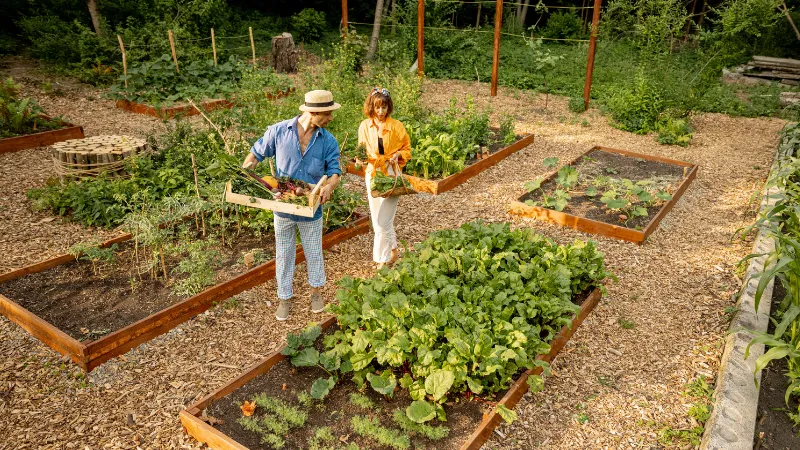
A garden can do more than make a space look beautiful. When planned thoughtfully, it can help protect the environment, support wildlife, conserve water, and reduce everyday waste. This is the idea behind a sustainability garden.
A sustainability garden is a green space designed around environmentally responsible gardening practices. It focuses on growing plants while using natural resources wisely, maintaining healthy soil, reducing chemical use, and supporting local biodiversity. Instead of depending heavily on artificial fertilizers, pesticides, and excessive water, it works with nature to create a healthier growing environment.
Why Are Sustainable Gardens Becoming Important?
Climate change, water shortages, soil degradation, and declining biodiversity are making environmental protection increasingly important. Gardening offers a simple but practical way to address some of these challenges at a local level.
For example:
- Climate action: Trees and plants absorb carbon dioxide and provide shade, helping create cooler surroundings.
- Biodiversity: Native flowers and plants attract bees, butterflies, birds, and other beneficial species.
- Water conservation: Rainwater harvesting, drip irrigation, and mulching help reduce unnecessary water consumption.
- Waste reduction: Composting turns kitchen scraps and garden waste into useful organic material instead of sending it to landfills.
How Can Individuals and Communities Make a Difference?
Creating a sustainable garden does not require a large backyard or expensive equipment. Even a small balcony garden, rooftop vegetable patch, or community green space can contribute to a healthier environment.
Individuals can start by planting native species, growing their own vegetables, composting organic waste, and avoiding unnecessary chemical products. Communities can take this further by developing shared gardens, planting trees, creating pollinator-friendly spaces, and encouraging responsible water use.
The bigger idea is simple: sustainable gardening is not just about growing plants; it is about creating a better relationship between people and nature. Small actions in individual gardens can become meaningful environmental efforts when adopted by entire communities.
What Is Sustainable Gardening?
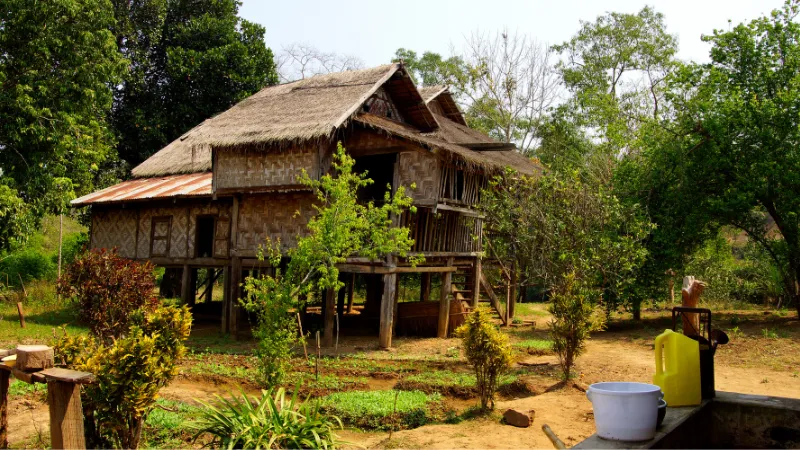
Sustainable gardening is a way of growing and maintaining plants while minimising harm to the environment. It focuses on using natural resources responsibly, improving soil health, conserving water, reducing waste, and protecting local wildlife.
Unlike gardening methods that rely heavily on chemical products and regular resource consumption, sustainable gardening works with natural processes. It encourages practices such as composting, rainwater harvesting, native plant selection, organic fertilisation, and natural pest control.
Traditional Gardening vs Sustainable Gardening
Both approaches aim to create healthy and attractive green spaces, but they differ in how they use resources and manage the environment.
| Traditional Gardening | Sustainable Gardening |
|---|---|
| May rely on chemical fertilisers and pesticides. | Prioritises organic and natural alternatives. |
| Can involve frequent watering. | Uses water-efficient irrigation and rainwater harvesting. |
| Often focuses on plant appearance. | Considers soil health and biodiversity. |
| May generate garden waste. | Reuses garden waste through composting. |
| Can depend on non-native plants. | Encourages native and climate-friendly species. |
The key difference is the long-term approach. Sustainable gardening aims to keep the garden healthy without unnecessarily exhausting the natural resources it depends on.
How Does Sustainable Gardening Reduce Environmental Impact?
A well-planned sustainable garden can make a difference through several everyday practices:
- Less chemical pollution: Natural fertilisers and pest-control methods help reduce the release of harmful chemicals into soil and water.
- Lower water consumption: Drip irrigation, mulching, and rainwater collection help prevent water waste.
- Reduced organic waste: Composting converts leaves, grass, and kitchen scraps into valuable soil nutrients.
- Healthier soil: Organic matter improves soil structure, supports beneficial organisms, and helps retain moisture.
- More wildlife support: Native plants provide food and shelter for pollinators, birds, and other beneficial species.
Why Is Natural Balance Important in a Sustainable Garden?
A garden is a small ecosystem where plants, soil, water, insects, and wildlife depend on one another. When one element is neglected, the entire system can be affected.
Healthy soil provides nutrients for plants. Plants offer food and shelter to wildlife. Bees and butterflies support pollination, while beneficial insects help control common garden pests. Water keeps this natural cycle functioning.
The goal is not to control every part of a garden but to create conditions where nature can do more of the work.
By maintaining this balance, sustainable gardening can create greener spaces that require fewer artificial inputs, support biodiversity, and remain productive over the long term.
Why Are Sustainability Gardens Important?
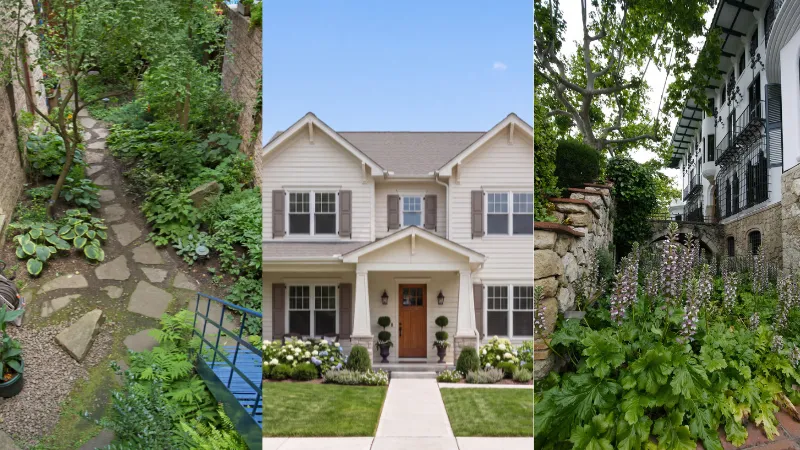
Sustainability gardens are more than attractive green spaces. They offer practical environmental benefits by reducing pollution, protecting wildlife, conserving natural resources, and improving the quality of our surroundings.
As cities expand and natural habitats become increasingly limited, creating greener spaces is becoming an important part of building a healthier environment. Here are four ways sustainable gardens make a difference.
Reducing Environmental Impact
Every garden has an environmental footprint, depending on how it is maintained. Excessive chemical fertilisers, pesticides, plastic products, and unnecessary water consumption can negatively affect the surrounding environment.
Sustainable gardening takes a different approach. It encourages organic fertilisers, natural pest control, composting, and responsible water use. These practices help reduce chemical pollution, prevent unnecessary waste, and limit the environmental impact of everyday gardening activities.
Supporting Biodiversity
A healthy garden can become a small but valuable habitat for local wildlife. Flowers, shrubs, trees, and native plants provide food, shelter, and breeding spaces for different species.
Bees and butterflies help with pollination, while birds and beneficial insects contribute to natural pest control. By growing a variety of native plants and avoiding harmful pesticides, gardeners can encourage more wildlife into their surroundings.
Even a small garden can become a welcoming space for nature when it provides the right plants and conditions.
Conserving Natural Resources
Water, healthy soil, and organic materials are essential for maintaining a productive garden. However, wasting these resources can make gardening less environmentally responsible.
Sustainable gardens focus on using them more efficiently through simple practices:
- Water conservation: Rainwater harvesting and drip irrigation reduce unnecessary water consumption.
- Soil protection: Organic compost and mulch improve soil quality and help retain moisture.
- Waste reduction: Reusing garden materials and composting kitchen scraps reduce the amount of waste sent to landfills.
These methods help maintain a garden’s long-term health while reducing pressure on natural resources.
Improving Air Quality
Plants and trees play an important role in creating healthier surroundings. Through photosynthesis, they absorb carbon dioxide and release oxygen. Their leaves can also capture some airborne dust and particulate matter.
Trees provide shade, reduce heat around buildings, and help make outdoor spaces more comfortable. In urban areas, where traffic, construction, and limited green spaces can contribute to poor air quality, planting more trees and vegetation can support a healthier local environment.
The real value of a sustainability garden lies in its combined impact. One garden may seem small, but when individuals, neighbourhoods, and communities adopt greener gardening practices, these spaces can collectively contribute to cleaner, healthier, and more nature-friendly surroundings.
Key Elements of a Sustainable Garden
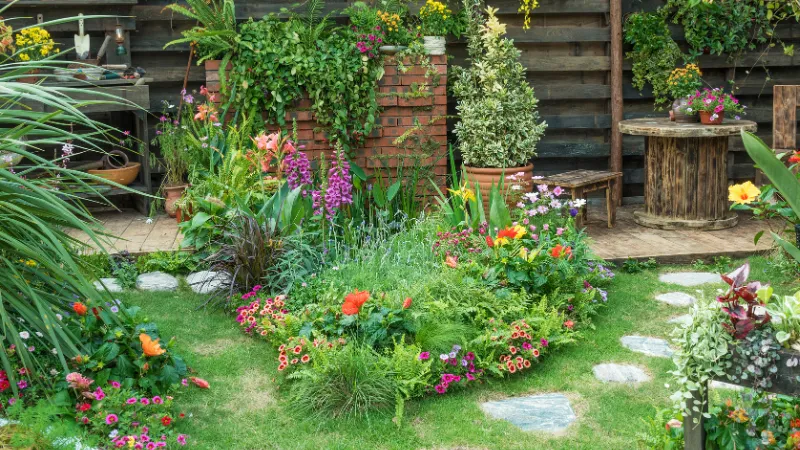
Creating a sustainable garden is not just about planting more trees or flowers. It requires a thoughtful approach to choosing plants, managing water, maintaining healthy soil, and reducing waste.
The good news is that most sustainable gardening practices are simple and can be introduced gradually. Here are five important elements that help create an environmentally friendly garden.
Native and Climate-Friendly Plants
Choosing the right plants is one of the most important steps in sustainable gardening. Native plants are naturally adapted to the local climate, soil conditions, and seasonal changes, making them easier to grow and maintain.
Unlike plants that require specific growing conditions, native and climate-friendly species often need less water, fewer fertilisers, and less maintenance once established.
They also provide natural food sources and shelter for local birds, bees, butterflies, and other pollinators.
Gardening tip: Choose plants suited to your local climate rather than selecting varieties simply because they look attractive. This can reduce maintenance while supporting the local ecosystem.
Water Conservation Systems
Water is one of the most valuable resources in any garden. Traditional watering methods can waste significant amounts of water through evaporation, runoff, and overwatering.
Sustainable gardens use efficient watering techniques to make every drop count.
Some useful methods include:
- Rainwater harvesting: Collect rainwater from rooftops or other surfaces and store it for garden use.
- Drip irrigation: Deliver water directly to plant roots, reducing evaporation and unnecessary water loss.
- Mulching: Cover the soil with organic materials such as dry leaves or wood chips to retain moisture.
- Watering at cooler hours: Water plants early in the morning or in the evening to reduce evaporation.
These methods help maintain healthy plants while reducing pressure on local water supplies.
Organic Soil Management
Healthy soil is the foundation of a productive and sustainable garden. It provides essential nutrients, supports beneficial microorganisms, and helps plants develop strong roots.
However, excessive use of synthetic fertilisers can disturb natural soil processes and contribute to water pollution.
Organic soil management focuses on improving soil naturally through practices such as:
- Adding homemade or natural compost to improve soil structure.
- Using organic matter to support beneficial soil organisms.
- Applying mulch to protect the soil and maintain moisture.
- Avoiding excessive chemical fertilisers that can affect soil health.
Why it matters: Healthy soil does more than support plant growth. It also helps retain water, recycle nutrients, and maintain a balanced garden ecosystem.
Composting and Waste Reduction
What if everyday kitchen scraps and garden waste could become useful resources instead of being thrown away?
That is the idea behind composting. It turns biodegradable materials into nutrient-rich organic matter that can improve garden soil and support plant growth.
Fruit and vegetable peels, dry leaves, grass clippings, and certain other organic materials can be composted instead of sent to landfills.
Gardeners can also reduce waste by:
- Reusing fallen leaves as natural mulch.
- Turning grass clippings into compost.
- Using suitable reused containers as plant pots.
- Avoiding unnecessary plastic gardening products.
Composting creates a natural cycle in which organic waste returns to the soil as a valuable resource, helping reduce waste and the need for some commercial soil products.
Natural Pest Control
In a sustainable garden, not every insect is a problem. Many insects, including ladybirds, lacewings, and bees, play useful roles in pollination and natural pest management.
Instead of immediately reaching for chemical pesticides, sustainable gardening encourages methods that maintain a natural balance between beneficial insects and common garden pests.
Some effective approaches include:
- Encouraging beneficial insects: Grow flowering plants that attract natural predators of common garden pests.
- Companion planting: Grow compatible plants together to support growth and help discourage certain pests.
- Removing affected plant parts: Regularly inspect plants and remove heavily infested leaves when appropriate.
- Avoiding unnecessary pesticides: Use chemical treatments only when genuinely needed and choose targeted, lower-impact options where possible.
The objective is not to eliminate every insect but to prevent pest problems without harming the wider garden ecosystem.
The Bigger Picture
These five elements work best when combined. Native plants support wildlife, healthy soil improves plant growth, composting returns nutrients to the ground, and efficient watering reduces resource consumption. Natural pest control helps maintain the balance.
A sustainable garden does not need expensive technology or complicated arrangements. It starts with making better everyday choices that allow plants, soil, water, and wildlife to work together.
How to Create a Sustainability Garden at Home
Provide a practical step-by-step guide.
- Select a suitable garden space.
- Understand the local climate and soil conditions.
- Choose native and drought-resistant plants.
- Prepare healthy soil using organic compost.
- Install a water-efficient irrigation system.
- Create a composting area.
- Use natural methods to control pests.
- Monitor plant growth and maintain biodiversity.
How to Create a Sustainability Garden at Home
You don’t need a large backyard, expensive equipment, or professional gardening experience to create a sustainable garden. A balcony, rooftop, small outdoor space, or even a few containers can be enough to get started.
The key is to make smart choices from the beginning. Follow these eight steps to turn an ordinary space into an eco-friendly garden.
1. Select a Suitable Garden Space
Start by identifying an area where you can grow and maintain plants comfortably. It could be a backyard, balcony, rooftop, terrace, or a small corner near a window.
Before planting, consider how much sunlight the space receives, whether it has proper drainage, and how easily you can access water. Understanding these basic conditions will help you select suitable plants and avoid unnecessary maintenance.
2. Understand Your Local Climate and Soil Conditions
Not every plant grows well in every environment. Temperature, rainfall, humidity, sunlight, and soil type all influence plant growth.
Check whether your soil is sandy, clay-rich, or loamy, and understand its drainage and nutrient conditions. You can also use a simple soil test to identify its pH and nutrient requirements.
For example, gardens in hot and dry regions need plants that can tolerate higher temperatures and limited water availability.
3. Choose Native and Drought-Resistant Plants
Once you understand your surroundings, select plants that naturally adapt to your local climate.
Native and drought-resistant plants generally require less additional watering once established and can provide food and shelter for local wildlife.
Consider growing:
- Native flowering plants that attract bees and butterflies.
- Drought-tolerant shrubs and small trees.
- Seasonal vegetables and herbs suited to your region.
- Ground-cover plants that help protect soil from direct sunlight.
Choosing suitable plants from the beginning can reduce water consumption, maintenance costs, and the need for additional fertilisers.
4. Prepare Healthy Soil Using Organic Compost
Healthy soil provides the foundation for strong plant growth. Before planting, remove unwanted weeds, loosen compacted soil, and mix in suitable organic compost.
Compost adds organic matter, improves soil structure, and helps retain moisture. You can also use well-decomposed leaves and other suitable organic materials to improve soil quality.
Avoid adding fertilisers without understanding what your soil actually needs. Too much fertiliser can harm plants and contribute to environmental pollution.
5. Install a Water-Efficient Irrigation System
Watering plants regularly is important, but using more water than necessary can waste valuable resources.
Consider installing a drip irrigation system that delivers water directly to plant roots. For smaller gardens, a watering can may be sufficient.
You can also collect rainwater in suitable storage containers and use it for gardening where appropriate.
A few additional practices can help:
- Water plants early in the morning.
- Apply mulch around plant roots.
- Check soil moisture before watering.
- Avoid watering during heavy rainfall.
6. Create a Composting Area
Instead of throwing away everyday organic waste, turn it into something useful for your garden.
Set up a small composting bin or designated area where you can collect fruit and vegetable peels, dry leaves, grass clippings, and other suitable biodegradable materials.
Maintain a balance of green materials, such as fresh vegetable scraps, and brown materials, such as dry leaves and cardboard. Keep the compost appropriately moist and allow it to decompose.
Over time, the resulting compost can be added to your garden soil, reducing organic waste and the need for some commercially produced soil amendments.
7. Use Natural Methods to Control Pests
Pests are a normal part of gardening, but chemical pesticides should not be the first solution.
Regularly inspect leaves, stems, and flowers to identify problems early. Encourage beneficial insects such as ladybirds and lacewings, and grow flowering plants that attract pollinators.
You can also use companion planting and manually remove affected leaves or visible pests when practical.
If treatment becomes necessary, choose a targeted, lower-impact solution and use it according to instructions to avoid harming beneficial insects.
8. Monitor Plant Growth and Maintain Biodiversity
A sustainable garden needs regular attention, but that does not mean constantly changing or controlling everything.
Observe how plants respond to sunlight, rainfall, watering, and seasonal changes. Remove dead plant material when necessary, maintain soil moisture, and replace plants that are unsuitable for the environment.
More importantly, maintain a variety of plants rather than relying on a single species. Different flowers, shrubs, herbs, and trees can attract different birds, butterflies, bees, and beneficial insects.
Over time, these small efforts help create a healthier and more balanced garden ecosystem.
A Garden That Grows with Nature
Creating a sustainability garden is an ongoing process, not a one-time project. Start with a few suitable plants, introduce composting, manage water carefully, and gradually adopt other eco-friendly practices.
The aim is simple: create a green space that supports plant growth, protects natural resources, and gives local wildlife a place to thrive.
Different Types of Sustainable Gardens
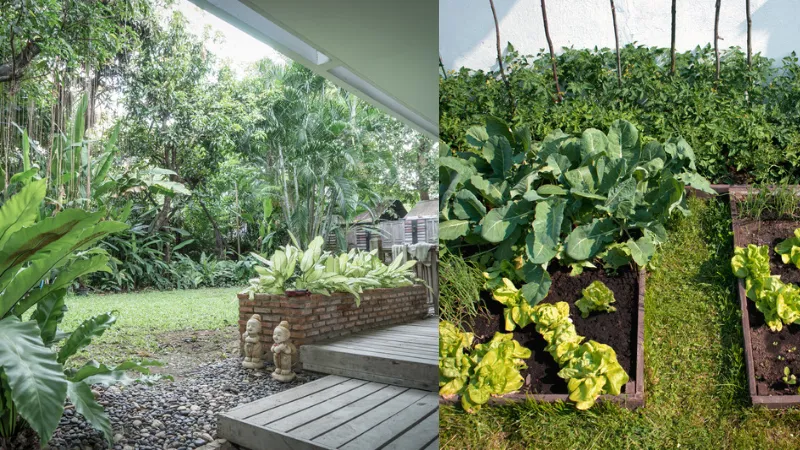
Sustainable gardens can take many forms depending on available space, local climate, and individual goals. Some focus on growing fresh food, while others create habitats for wildlife or bring communities together through shared green spaces.
Whether you have a large backyard or a small balcony, there are several ways to introduce sustainable gardening into everyday life.
Organic Vegetable Gardens
Organic vegetable gardens focus on growing fresh food while reducing reliance on synthetic fertilisers and chemical pesticides.
They allow households to grow vegetables, fruits, and herbs using natural compost, healthy soil management, crop rotation, and responsible watering practices.
Common choices include tomatoes, spinach, lettuce, chillies, carrots, and seasonal herbs, depending on the local climate.
Why they matter: Growing vegetables at home can reduce dependence on commercially transported produce, provide access to fresh food, and help households understand where their food comes from.
Urban and Rooftop Gardens
Limited outdoor space does not mean you cannot create a sustainable garden. Urban and rooftop gardens make use of balconies, terraces, rooftops, and other underused spaces to introduce greenery into cities.
These gardens can include container plants, vertical gardens, small vegetable patches, and decorative native plants.
They can help make urban surroundings greener, provide shade, support pollinators, and make better use of available space.
Why they matter: As cities become more crowded, rooftop and balcony gardens offer practical ways to introduce green spaces without requiring additional land.
Practical tip: Before creating a rooftop garden, check the building’s structural capacity, waterproofing, drainage, and local safety requirements.
Pollinator-Friendly Gardens
Pollinator-friendly gardens are designed to attract and support bees, butterflies, and other insects that play an important role in plant reproduction and food production.
They usually include native flowering plants, different flower shapes, and species that bloom across different seasons. Providing shallow water sources and avoiding unnecessary pesticide use can make these spaces more welcoming to pollinators.
Why they matter: Pollinators support the reproduction of many flowering plants and food crops. Creating suitable habitats helps protect these important species and contributes to biodiversity.
Community Sustainability Gardens
Community sustainability gardens bring people together to grow food, share gardening knowledge, and create greener neighbourhoods.
These shared spaces can be developed in residential areas, schools, public spaces, or unused land with appropriate permission. Residents can grow seasonal vegetables, maintain native plants, compost organic waste, and organise environmental awareness activities.
Beyond environmental benefits, community gardens encourage cooperation, practical learning, and stronger neighbourhood connections.
Why they matter: They make sustainable gardening accessible to more people, including those who do not have private outdoor spaces. They can also encourage local food production and responsible waste management.
Choosing the Right Garden for Your Space
There is no single way to create a sustainable garden. A household may prefer an organic vegetable garden, while an apartment resident may find a rooftop or balcony garden more practical. Communities can take a larger approach by developing shared gardens and pollinator-friendly green spaces.
The important thing is to start with the space and resources available. Even a small garden can become part of a much bigger movement towards sustainable living.
Sustainable Gardening Practices That Make a Difference
A sustainable garden is built through small, consistent actions rather than expensive equipment or complicated techniques. The way you water plants, manage soil, control pests, and reuse materials can have a significant impact on the garden’s overall environmental footprint.
Here are eight practical gardening practices that help conserve resources, reduce waste, and create healthier green spaces.
1. Rainwater Harvesting
Rainwater harvesting is one of the simplest ways to reduce dependence on regular water supplies. Instead of allowing rainwater to flow away unused, gardeners can collect it from rooftops and other suitable surfaces in storage containers.
The collected water can then be used for watering plants during dry periods, reducing pressure on freshwater resources.
2. Organic Fertilization
Healthy plants need nutrients, but synthetic fertilisers are not always necessary. Organic fertilisers such as compost, well-rotted manure, and suitable plant-based materials can improve soil quality and support natural nutrient cycles.
They also add organic matter to the soil, helping improve its structure and water retention.
3. Crop Rotation
Growing the same vegetable in the same soil repeatedly can increase the risk of certain pests, diseases, and nutrient imbalances.
Crop rotation involves changing the types of crops grown in a particular area across different growing seasons. For example, gardeners can alternate leafy vegetables, root vegetables, and legumes.
This practice helps maintain soil fertility, manage certain soil-borne problems, and support healthier vegetable production.
4. Companion Planting
Not all plants need to grow separately. Some species can benefit from being planted near one another through complementary growing requirements, shade, or interactions with beneficial insects.
For example, flowering herbs can attract pollinators and beneficial insects near vegetable crops. Some combinations may also help discourage particular pests.
Companion planting makes better use of garden space while encouraging a more diverse growing environment.
5. Mulching
Mulching means covering the soil surface with materials such as dry leaves, straw, grass clippings, or wood chips.
This simple technique offers several benefits:
- Reduces water evaporation from the soil.
- Helps control unwanted weed growth.
- Protects soil from direct sunlight.
- Adds organic matter as natural mulch materials decompose.
It is particularly useful in warmer climates, where maintaining soil moisture can be challenging.
6. Reusing Garden Materials
Many materials used in everyday gardening can be reused instead of thrown away. Old containers, suitable wooden boxes, fallen branches, and other reusable materials can serve practical purposes in the garden.
For example, unused containers can become plant pots, fallen leaves can be used as mulch, and suitable garden waste can be added to compost.
Reusing materials reduces unnecessary purchases and helps minimise the amount of waste generated through gardening.
7. Planting Trees and Native Vegetation
Trees and native plants play an important role in creating healthier outdoor environments. Trees provide shade, absorb carbon dioxide, and offer shelter for birds and other wildlife.
Native vegetation is particularly valuable because it is adapted to local environmental conditions and can support local pollinators and other species.
Planting a suitable mix of trees, shrubs, flowering plants, and ground cover can help create a more diverse and resilient garden ecosystem.
8. Reducing Plastic Use in Gardening
Plastic products are commonly used in gardening, from disposable seedling trays to plant pots, packaging, and watering equipment.
However, unnecessary plastic consumption can increase waste and environmental pollution.
Gardeners can make more responsible choices by:
- Reusing existing plant pots and containers.
- Choosing durable tools instead of disposable alternatives.
- Using biodegradable or reusable seedling containers where suitable.
- Avoiding unnecessary plastic packaging when purchasing gardening supplies.
These small changes can reduce waste without affecting the overall gardening experience.
Small Practices, Lasting Environmental Benefits
Sustainable gardening does not depend on adopting every practice at once. Start with simple changes such as collecting rainwater, making compost, using mulch, and choosing native plants.
When these practices become part of regular gardening habits, they help conserve natural resources, improve soil health, reduce waste, and support a healthier relationship with nature.
Common Mistakes to Avoid in Sustainable Gardening
Creating a sustainable garden is about making better choices, but some common gardening habits can work against these goals. Even with good intentions, poor plant selection, excessive watering, and unnecessary chemical use can affect the garden’s health and increase its environmental impact.
Here are six mistakes to avoid when developing an eco-friendly garden.
1. Choosing Plants Unsuitable for the Local Climate
Not every plant can grow successfully in every environment. Choosing species that require different temperatures, soil conditions, or water levels can increase maintenance and resource consumption.
What to do instead: Select native and climate-friendly plants that can naturally adapt to local weather conditions.
2. Overwatering Plants
More water does not always mean healthier plants. Excessive watering can waste valuable resources, damage plant roots, and contribute to waterlogging.
What to do instead: Check soil moisture before watering, use drip irrigation where practical, and adjust watering according to rainfall and seasonal conditions.
3. Using Excessive Fertilisers and Pesticides
Regularly applying chemical fertilisers and pesticides without understanding plant requirements can damage soil health, affect beneficial insects, and contribute to water pollution.
What to do instead: Use compost and organic soil amendments where appropriate. Encourage natural pest control and apply targeted treatments only when necessary.
4. Ignoring Soil Health
Healthy soil is essential for strong roots, nutrient availability, and water retention. Ignoring soil conditions can lead to poor plant growth and greater dependence on artificial fertilisers.
What to do instead: Add organic compost, use natural mulch, avoid unnecessary soil disturbance, and check soil conditions regularly.
5. Removing Natural Habitats for Insects and Wildlife
A garden is not just a place for plants. Birds, butterflies, bees, and beneficial insects all contribute to a balanced ecosystem. Removing every fallen leaf, flowering weed, or natural shelter can reduce valuable wildlife habitats.
What to do instead: Grow flowering native plants, retain suitable natural shelter, and avoid unnecessary pesticide use.
6. Using Too Many Disposable Plastic Gardening Products
Disposable plastic pots, seedling trays, packaging, and other single-use gardening products can create unnecessary waste.
What to do instead: Reuse containers, choose durable gardening equipment, and consider biodegradable alternatives where suitable.
Remember: Sustainable gardening is not about achieving a perfect garden. It is about understanding how everyday decisions affect the environment and gradually replacing wasteful habits with more responsible practices.
The Future of Sustainable Gardening
Sustainable gardening is becoming an important part of conversations about climate change, urban development, food production, and environmental protection.
As cities grow and natural resources face increasing pressure, gardens can serve purposes beyond decoration. They can support local food production, improve urban green spaces, and create habitats for wildlife.
Several developments are likely to shape the future of sustainable gardening.
Growing Interest in Urban Agriculture
Urban agriculture is gaining attention as cities explore ways to produce food closer to where people live. Rooftop gardens, vertical farming, balcony vegetable patches, and community gardens can make better use of available urban spaces.
These approaches can also encourage local food production, environmental awareness, and more sustainable urban lifestyles.
Smart Irrigation and Water-Monitoring Technologies
Technology is making garden management more efficient. Smart irrigation systems, soil moisture sensors, and automated watering equipment can help gardeners understand when plants actually need water.
Instead of following fixed watering schedules, these systems can respond to soil moisture and environmental conditions, helping reduce unnecessary water consumption.
Climate-Resilient Gardening
Changing temperatures, irregular rainfall, and longer periods of extreme heat are influencing how gardens are designed and maintained.
Climate-resilient gardening focuses on selecting suitable plant varieties, improving soil quality, conserving water, and creating green spaces that can better withstand changing environmental conditions.
Native plants, drought-tolerant species, and diverse vegetation are likely to play an increasingly important role.
Community-Led Green Spaces
The future of sustainable gardening is not limited to individual households. Schools, residential communities, local organisations, and neighbourhood groups can work together to create shared gardens and greener public spaces.
Community gardening initiatives can encourage composting, tree planting, local food production, and environmental education.
They also give people opportunities to share gardening knowledge and participate in practical sustainability projects.
Building More Environmentally Responsible Cities
Gardens, parks, rooftop greenery, and urban vegetation can contribute to healthier and more liveable cities.
When incorporated into urban planning, green spaces can provide shade, help manage rainwater, support biodiversity, and reduce the effects of excessive urban heat.
Sustainable gardening can therefore become part of a wider approach to developing cities that balance infrastructure, nature, and the needs of growing populations.
Looking Ahead: The future of gardening will depend on how effectively people combine traditional gardening knowledge, modern technology, and environmentally responsible practices. Even small green spaces can contribute to this larger transformation.
Conclusion: Building a Greener Future Through Sustainable Gardening
A sustainable garden is more than a collection of plants. It is a practical way to protect natural resources, support biodiversity, reduce waste, and create healthier surroundings.
You do not need a large property or significant investment to get started. Simple actions such as growing native plants, collecting rainwater, making compost, improving soil health, and avoiding unnecessary chemicals can make everyday gardening more environmentally responsible.
Individuals can introduce these practices at home, while schools, businesses, and communities can take similar steps by developing shared green spaces and encouraging environmental awareness.
As more people adopt sustainable gardening, these individual efforts can contribute to broader environmental improvements.
A greener future does not always begin with major environmental projects. Sometimes, it starts with a single plant, a handful of compost, or a small garden cared for in a more responsible way.
A sustainability garden is an eco-friendly green space designed to protect natural resources while supporting healthy plant growth and local wildlife. It uses practices such as composting, rainwater harvesting, native plant selection, and natural pest control to reduce environmental impact.
Sustainable gardening offers several environmental benefits, including reduced water consumption, healthier soil, less chemical pollution, and lower garden waste. It also supports biodiversity by providing food and shelter for birds, bees, butterflies, and other beneficial insects.
Start by selecting a suitable space and choosing plants that grow well in your local climate. Prepare the soil with organic compost, collect rainwater where possible, use efficient watering methods, and avoid unnecessary chemical fertilisers and pesticides. Even a small balcony or container garden can become an eco-friendly space.
Native plants, drought-resistant species, seasonal vegetables, flowering herbs, and locally adapted trees are excellent choices. They generally require less additional maintenance once established and can provide natural habitats and food sources for local wildlife.
Sustainable gardening uses techniques such as rainwater harvesting, drip irrigation, mulching, and watering during cooler hours to reduce water loss. Choosing drought-tolerant plants and checking soil moisture before watering can also help prevent unnecessary water consumption.
Organic gardening primarily focuses on growing plants using organic methods and avoiding synthetic fertilisers and pesticides. Sustainable gardening has a broader environmental approach that also includes water conservation, waste reduction, soil protection, biodiversity, and responsible resource management. Organic gardening can be an important part of sustainable gardening.
Sustainable gardens provide food, shelter, and breeding habitats for different species. Native flowering plants attract bees and butterflies, while trees and shrubs offer shelter for birds and beneficial insects. Avoiding unnecessary pesticides also helps protect these important species.
No. Sustainable gardening can be started with a small budget using everyday materials and simple practices. Reusing containers, making homemade compost, collecting rainwater, and growing plants from seeds can help reduce costs. Many sustainable gardening practices also save money over time by reducing water consumption and the need for certain commercial gardening products.