
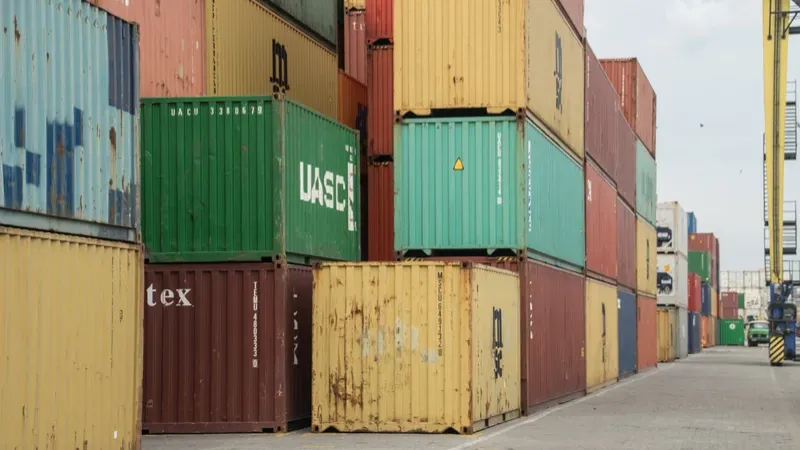
International trade allows businesses to move electronic equipment, machinery and recyclable materials across borders. However, not every shipment contains what its customs documents claim. Some shipping containers labelled as plastic waste, industrial machinery or recyclable materials may actually contain discarded electronic equipment.
Illegal e-waste imports are a growing concern for countries that want to protect their environment, control hazardous waste and prevent their ports from becoming dumping grounds for unwanted electronics.
In Malaysia, the Malaysian Border Control and Protection Agency (AKPS) plays an important role in identifying and stopping suspicious shipments at the country’s entry points. Its inspections at Port Klang have uncovered containers carrying electronic waste that was incorrectly declared or concealed under other cargo descriptions.
But how does AKPS identify these shipments? What happens when a suspicious container arrives at the port, and how do officers determine whether its contents are actually e-waste?
Let’s look at how the inspection process works and why these checks are important for Malaysia’s environmental protection efforts.
1. What Is AKPS and Why Does It Inspect E-Waste Containers?
The Malaysian Border Control and Protection Agency (AKPS) is responsible for strengthening border control and security at Malaysia’s entry points.
One of its important responsibilities is helping prevent prohibited goods and illegal waste shipments from entering the country.
Electronic waste is a particular concern because discarded computers, printers, servers, cables and other electronic equipment can contain hazardous substances. When these materials are imported illegally and processed without proper controls, they can create environmental and public health risks.
AKPS works with several government agencies to identify suspicious shipments and enforce import restrictions. These include:
- Royal Malaysian Customs Department.
- Department of Environment (DOE).
- Standards and Industrial Research Institute of Malaysia (SIRIM).
- Port Klang Authority.
- Other relevant enforcement agencies.
Each organisation contributes to the inspection process, from identifying suspicious cargo to examining the materials and determining the appropriate legal action.
2. How Does AKPS Identify Suspicious Shipping Containers?
The inspection process can begin before a container is physically opened.
When shipping containers arrive at a port, authorities review the available cargo information to understand what is being imported, where it originated and whether the shipment meets applicable requirements.
AKPS uses several checks to identify containers that may require further investigation.
Reviewing Shipping Documents and Cargo Declarations
Every commercial shipment arrives with supporting documentation describing its contents.
Officers examine the cargo declaration, shipping manifest, import details and other relevant documents to understand what the container is supposed to carry.
For example, a shipment may be declared as:
- Recycled plastic materials.
- Industrial machinery.
- Aluminium or metal scrap.
- Used electronic equipment.
- Recyclable industrial materials.
However, the declared description does not always match the actual contents.
Authorities therefore compare the paperwork with available shipment information and look for inconsistencies that may indicate an attempt to conceal prohibited waste.
Checking the Country of Origin
The country from which a shipment originates is another factor considered during risk assessment.
Officers review the declared origin and other shipment details to identify potential concerns. This information can help authorities decide whether a container requires additional checks.
Identifying High-Risk Importers and Shipments
AKPS also uses risk assessments to identify companies and shipments that may require closer inspection.
According to reporting on AKPS operations at Port Klang, authorities consider the history of companies associated with problematic containers. Shipments from businesses previously identified as high-risk may receive more detailed checks.
Information received from the public can also help authorities identify suspicious shipments and direct inspection efforts towards specific containers.
3. Container Scanning: The First Layer of Inspection
Container scanning is an important part of identifying potentially suspicious cargo.
Large shipping containers are difficult to inspect individually because ports handle significant volumes of international trade. Scanning technology allows authorities to examine cargo without immediately unloading every item.
Container scanning systems can help officers identify unusual cargo arrangements, dense objects or contents that appear inconsistent with the declared shipment.
For example, a container declared as carrying plastic material may show an arrangement of objects that does not appear consistent with a uniform load of plastic flakes.
Such differences can prompt officers to hold the container for further examination.
However, scanning alone does not always establish what the cargo contains. Physical inspection and further assessment may be required to confirm whether the shipment includes prohibited electronic waste.
4. Physical Inspection: Opening Containers to Examine Their Contents
When a container is flagged for further investigation, authorities may conduct a physical inspection.
This is where officers examine the actual materials inside the container and compare them with the declared cargo information.
During an inspection, officers may:
- Check the container number and shipment details.
- Verify the cargo declaration against the available documents.
- Open the container under the appropriate inspection procedures.
- Examine the materials loaded inside.
- Identify discarded electronic equipment and other suspicious waste.
- Record the findings and document the contents.
- Refer materials requiring technical assessment to the relevant authorities.
Inspectors look for different types of electronic waste, including:
- Used computers and CPUs.
- Printers and photocopiers.
- Computer keyboards and accessories.
- Remote controls.
- Credit card machines.
- Receipt printing machines.
- Electrical cables and circuit boards.
- Mixed electronic components.
The purpose is to establish whether the shipment contains the goods declared in its paperwork or whether prohibited materials have been concealed among other cargo.
5. Identifying Misdeclared and Illegal E-Waste Shipments
One of the major challenges in e-waste enforcement is identifying shipments that have been deliberately misdeclared.
For example, a container may be registered as carrying recycled plastic materials, but a physical inspection could reveal discarded electronic devices.
This difference is important because the legal requirements for importing ordinary commercial goods are not necessarily the same as those for importing electronic waste or scheduled waste.
In Malaysia, certain categories of scheduled waste are subject to strict import restrictions.
When authorities find a mismatch between the declared goods and the actual contents, they can investigate whether the importer has breached customs or environmental regulations.
The inspection process also helps distinguish between legitimate recyclable materials and shipments containing prohibited waste.
6. How AKPS Works With Other Agencies During Container Inspections
AKPS does not handle every aspect of e-waste identification and enforcement independently.
Container inspections often involve several government agencies because customs violations, environmental regulations and technical waste classification require different areas of expertise.
Royal Malaysian Customs Department: Supports customs enforcement, checks import declarations and investigates potential customs offences.
Department of Environment (DOE): Provides environmental oversight, assesses waste classifications and handles relevant environmental enforcement and regulatory decisions.
SIRIM: Provides technical support and assessment where required to help determine the nature of imported materials.
Port Klang Authority: Supports port operations and coordination during inspections.
This cooperation allows authorities to investigate suspicious containers more effectively and determine what should happen to the seized materials.
7. What Happens When AKPS Finds E-Waste Inside a Container?
Finding electronic waste inside a container does not necessarily mean the inspection process is complete. Authorities must establish the nature of the cargo, assess possible violations and determine the appropriate next steps.
The general process includes several stages.
Step 1: Secure the Container
When prohibited or suspicious waste is identified, the container may be detained and moved to a secure area.
This prevents unauthorised access or movement while the investigation continues.
Step 2: Document the Findings
Authorities record the type and quantity of materials discovered during the inspection.
This information helps establish the extent of the suspected violation and supports further investigation.
Step 3: Conduct Further Assessment
Relevant agencies, particularly the Department of Environment, may need to examine or classify the materials to determine whether they fall under regulated waste categories.
Step 4: Investigate the Import Declaration
Authorities can investigate the importer, shipping documentation and declared cargo to determine whether the shipment was incorrectly described or deliberately misrepresented.
Step 5: Determine the Appropriate Action
Depending on the findings and applicable regulations, the authorities may take enforcement action and arrange for the shipment to be returned to its country of origin.
This process helps prevent illegal e-waste shipments from entering the domestic waste management system.
8. Real Examples: AKPS E-Waste Container Inspections at Port Klang
AKPS inspections at Port Klang have uncovered several large shipments of electronic waste in 2026. These cases show why container screening, physical inspections and cooperation between government agencies are important.
February 2026: More Than 37 Tonnes of E-Waste Discovered
On February 20, 2026, AKPS officers inspected six containers at West Port, Port Klang, that had previously been detained by container scanning officers.
Two containers were found to contain a total of 37,028 kg of electronic waste.
The first container held 14,832 kg of discarded electronic equipment, including remote controls, keyboards, credit card machines and CPUs.
The second contained 22,196 kg of used printers and receipt printing machines.
Investigations found that the shipments had been declared as ABS plastic flakes and industrial machinery rather than their actual contents.
The operation involved AKPS, the Customs Control Unit, SIRIM, the Port Klang Authority and the Selangor Department of Environment.
March 2026: Seven Containers Found With 78 Tonnes of E-Waste
During a joint enforcement operation on March 6, 2026, authorities inspected seven shipping containers at Port Klang.
Four containers were found to contain approximately 78 tonnes of e-waste, while three others contained mixed waste and scrap that did not meet import requirements.
The operation was conducted under Ops Green Shield by the Port Klang E-Waste Joint Task Force.
The containers were handed over for further investigation, with the relevant authorities involved in determining the next steps.
April 2026: More Than 314 Tonnes of Prohibited Waste Detected
Another major operation took place on April 3, 2026, when the Port Klang Joint Task Force inspected 16 shipping containers.
Authorities discovered:
- 11 containers carrying 263.1 tonnes of e-waste.
- Two containers carrying 51.2 tonnes of scheduled waste classified under SW422.
The combined quantity was approximately 314.3 tonnes.
The inspection was conducted under Ops Green Shield 19, involving AKPS, Customs, the Department of Environment, SIRIM and the Port Klang Authority.
These operations demonstrate the scale of the challenge faced by Malaysian authorities in preventing illegal waste shipments from entering the country.
9. Why Are These Container Inspections Important?
Container inspections are not simply about identifying unwanted electronic equipment. They are an important part of protecting the environment, enforcing import regulations and preventing illegal waste trading.
There are several reasons why these inspections matter.
Preventing illegal waste imports: Inspections help stop shipments containing prohibited electronic waste from entering the country under misleading cargo descriptions.
Protecting the environment: Some electronic waste contains hazardous materials that can contaminate soil and water when processed or disposed of improperly.
Protecting public health: Uncontrolled dismantling, burning and processing of electronic equipment can expose workers and nearby communities to harmful substances.
Supporting legitimate recycling businesses: Illegal waste shipments can undermine businesses that invest in proper recycling infrastructure and comply with environmental requirements.
Strengthening border security: Better screening and inspection processes make it more difficult for prohibited materials to enter through commercial ports.
Improving accountability: Documenting suspicious shipments and investigating import declarations helps authorities identify businesses involved in illegal activities.
10. Malaysia’s Efforts to Strengthen E-Waste Import Controls
Malaysia has increased enforcement efforts to address illegal e-waste imports, particularly at major entry points such as Port Klang.
Joint operations, container inspections and cooperation between enforcement agencies are part of these efforts.
Malaysia also introduced a full ban on e-waste imports effective April 1, 2026, through amendments to its customs import prohibition order.
This strengthened the country’s approach to preventing foreign electronic waste from being brought into Malaysia.
The government has also worked on returning previously detained illegal e-waste containers to their countries of origin.
These measures reflect a broader effort to ensure that Malaysia does not become a destination for the disposal of unwanted electronic equipment from other countries.
11. Conclusion: Container Inspections Play a Key Role in Preventing Illegal E-Waste Imports
The increasing number of suspicious e-waste shipments highlights the importance of effective border inspections and responsible waste management.
AKPS plays an important role in this process by reviewing cargo information, identifying high-risk shipments, coordinating container inspections and working with other enforcement agencies.
From scanning suspicious containers to physically examining their contents, each stage helps authorities identify shipments that may have been incorrectly declared or contain prohibited materials.
The discoveries at Port Klang also demonstrate why cooperation between AKPS, Customs, the Department of Environment, SIRIM and port authorities is essential.
As international trade continues to grow, strong inspection procedures and effective enforcement will remain important for protecting Malaysia’s environment and preventing the illegal movement of electronic waste across borders.
Ultimately, stopping illegal e-waste at the port is much better than dealing with the environmental and public health consequences after it enters the country.