French TechBio company Orakl Oncology has raised €30 million ($34 million) in a Series A funding round. The company uses AI and real patient data to predict how cancer drugs may perform during clinical trials.
The funding round was co-led by Norrsken VC and Singular. Other investors included InfraVia Capital Partners, Serena, the Patient Autonome Fund managed by Bpifrance, Teampact Ventures and Plug and Play. Existing investors Verve Ventures VC, Speedinvest and HCVC also participated.
Dr. Fanny Jaulin, CEO and co-founder of Orakl Oncology, says: “For decades, we’ve developed cancer drugs without being able to reliably predict how they will behave in patients until they reach clinical trials. We believe the next breakthrough will come from making tumor and patient biology predictable. This funding will allow us to expand Orakl’s proven capabilities across more cancer types and pharmaceutical programmes to impact oncology more widely.”
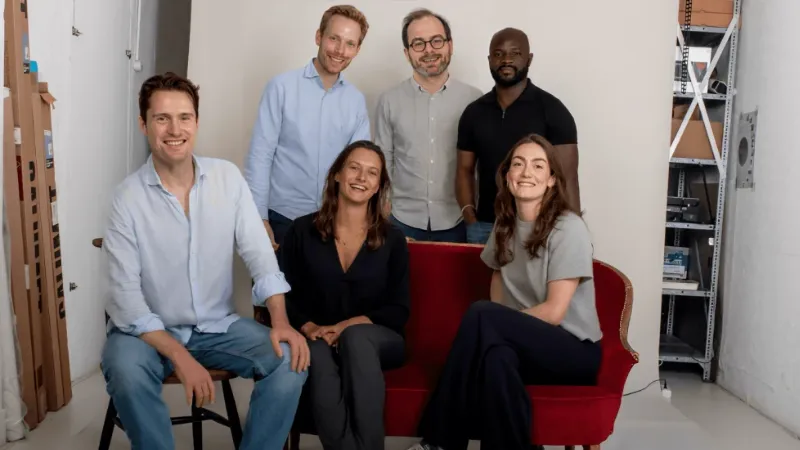
Jeremy Uzan, co-founder and General Partner at Singular, adds: “Fanny, Gustave and Diane-Laure bring together a rare combination of expertise in cancer research, cell biology and computational biology, alongside a clear understanding of what the pharmaceutical industry needs. They’ve translated that expertise into a platform that combines real patient biology, experimental data and AI to predict how cancer drugs will perform in clinical trials. We’re proud to continue backing the team as they scale.”
Founded in 2023, Orakl Oncology is developing AI-powered virtual cancer patients to predict how new cancer drugs may work before they enter clinical trials. The company was spun out of the Gustave Roussy Institute. It combines lab-grown tumour samples from real patients with their medical records and biological data.
AI is making progress in predicting protein structures and designing new drugs. However, one major challenge remains: knowing whether a new cancer treatment will actually work in patients. Many promising cancer drugs fail during clinical trials. Around 75% of oncology drug candidates fail in Phase 2, partly because scientists still have limited understanding of how different patients and tumours respond to treatment.
Orakl Oncology aims to address this problem by creating virtual cancer patients using real patient tumour samples grown in laboratories. The company combines these samples with patients’ medical histories and detailed biological information. This helps researchers better understand how different cancer treatments may affect individual patients.
Using its technology, Orakl Oncology can test treatments across large groups of virtual patients. This allows drug developers to predict how patients may respond to a treatment much earlier in the development process. The company aims to provide stronger evidence about how cancer drugs work and help researchers make better decisions before moving into clinical trials.
Agate Freimane, General Partner at Norrsken VC, says: “Too many drugs still enter expensive clinical trials without a clear view of which patients they will work for. Orakl is tackling this bottleneck with a platform combining proprietary biological data, hospital partnerships, lab infrastructure and AI that is exceptionally hard to replicate. We believe Orakl has the potential to become a defining platform for oncology R&D.”
According to Orakl Oncology, its AI-powered platform has achieved 90% accuracy in predicting cancer clinical trial outcomes. The company says its predictions have also closely matched the results of recent clinical trials for pancreatic cancer.
Beyond predicting trial results, the platform can help identify which patients are more likely to respond to a particular cancer treatment. It can also help researchers understand why some patients respond well to a drug while others develop resistance.