
Cambridge-based semiconductor startup Tendrils has raised €26 million ($30 million) in a Seed funding round. The company is developing a new type of general-purpose processor that can support thousands of cores working together at the same time. Its technology aims to improve how processors handle large and complex computing tasks.
The funding round was led by Benchmark, with participation from Visionaries Club, the UK Sovereign AI Fund, FR8, Antimatter, Cloudberry VC, Conviction, Embassy Ventures and SV Angels. Several angel investors also joined the round. Following the investment, Jack Altman, General Partner at Benchmark and co-founder of HR technology company Lattice, has joined Tendrils’ board.
“CPUs have been backwards compatible since the 1970s, severely limiting their scalability. At Tendrils, we believe that the future of general-purpose computing lies beyond legacy architectures for legacy software,” said Tendrils in a public statement.
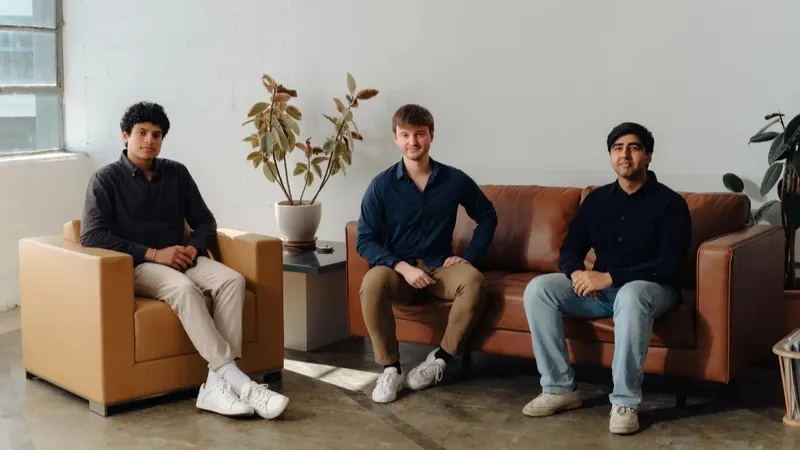
Founded in 2025 in Cambridge, UK, Tendrils is led by CEO and co-founder Nils Cremer, along with co-founders T6 and Hugo McNally. Before starting the company, Cremer researched interaction nets at ETH Zürich. This work focused on a different way of handling computing tasks and now serves as the foundation for Tendrils’ new processor architecture.
Tendrils aims to solve what it sees as a major problem with modern computing. According to the company, today’s CPUs are still based on designs originally created for single-core processors that handle tasks one after another. This makes it harder for them to take full advantage of modern computing needs.
Although chipmakers have developed new technologies to make processors faster, Tendrils believes these improvements have made chip designs more complicated. It also says that keeping support for older computing systems limits how much processors can grow and handle tasks in parallel.