
Picking an ecommerce platform feels like a technology decision. It is really a money decision. The plan price on the homepage is only half the story. Card fees, paid apps, themes and currency quirks are what decide your actual monthly bill.
This guide delves into the platforms UK small businesses actually use, in pounds, and the costs that tend to get hidden. Prices are per year billing and exclude VAT unless stated. As these often change, be sure to check each provider’s UK pricing page before you commit.
Best ecommerce platforms for UK small businesses at a glance
| Platform | Best for | Store from (per month) | UK card rate |
|---|---|---|---|
| Shopify | Most UK online shops | £19 | 2% + 25p |
| Square Online | Free start, tight budgets | £0 | 1.4% + 25p |
| Wix | Simple catalogues, DIY builders | £16 | 2.1% + 20p |
| Squarespace | Design-led brands | £17 | 2% + 25p |
| WooCommerce | WordPress users wanting control | Free software, plus hosting | Depends on gateway |
| ShopWired | UK support, own payment gateway | £31.46 | From 1.9% + 20p |
| BigCommerce | Growing catalogues and B2B | About $29 (billed in US dollars) | Depends on provider |
How we picked
We judged each platform on the total cost of selling not the headline price. That means the cheapest plan that runs a real store, plus the platform’s own card processing rate, plus the extras most beginners forget.
We also looked at ease of use, how well the platform copes as you grow, and how painful it is to leave. A plan that looks £3 cheaper can easily cost more once processing is added.
1. Shopify
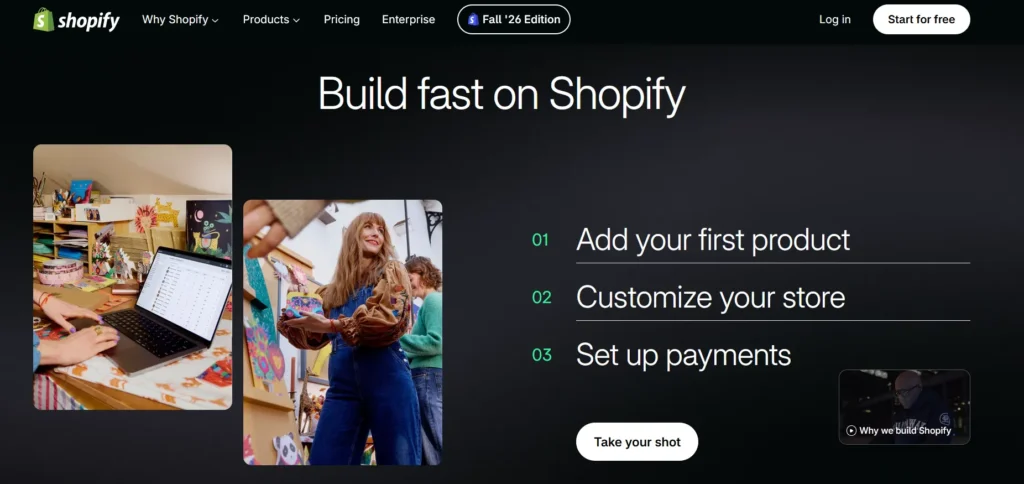
Shopify is the default choice for a reason. The Basic plan gives you a full store with inventory, shipping tools and abandoned-cart recovery, and it has the biggest app ecosystem in ecommerce. If selling online is your main business, this is the safest bet.
Cost: Basic is around £19 a month on annual billing (£25 if you pay monthly). Higher tiers, Grow and Advanced, are around £49 and £259. Card rates start at 2% + 25p and fall as you upgrade.
Watch out for: Using an outside payment gateway instead of Shopify Payments adds a platform fee on top of the gateway’s own charges. Paid apps and premium themes can also push the real bill well above the plan price.
2. Square Online
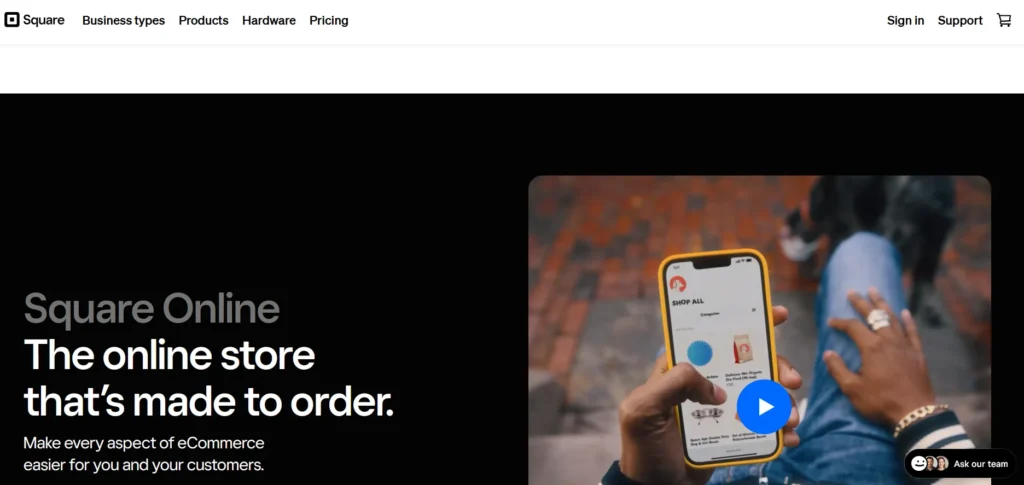
Square Online is the one genuinely free store on this list. There is no monthly fee and no time limit. You only pay card processing, at 1.4% + 25p, which is the lowest online rate here. If you already take card payments in person with Square, your stock syncs across both.
Watch out for: The free tier carries Square branding and has fewer design options. Bigger catalogues outgrow it faster than they do on Shopify.
3. Wix
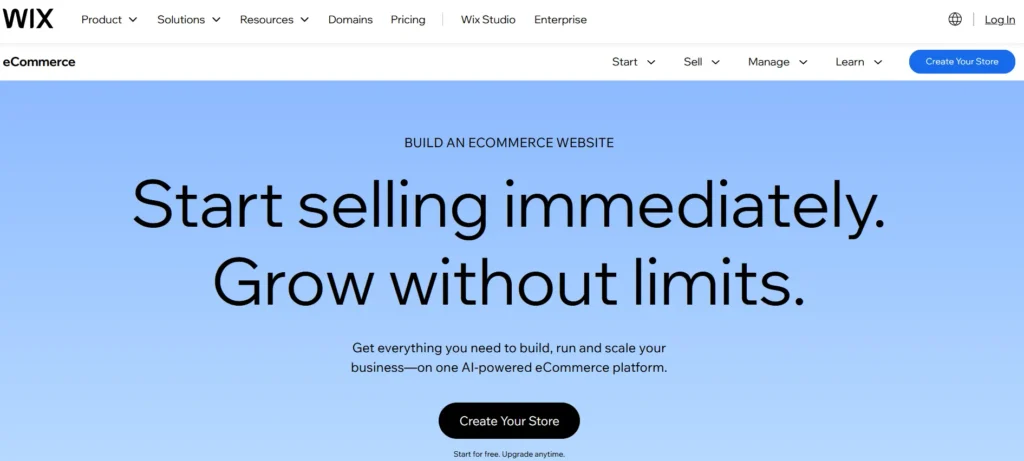
Wix has the most forgiving drag-and-drop editor of the lot. Its Core ecommerce plan starts at around £16 a month, with no platform commission on sales.
Watch out for: Multi-currency and automated tax need the pricier Business plan. And once a Wix site is live, you can’t swap templates without rebuilding, so think about how much your brand might change.
4. Squarespace

If your product sells on how it looks, Squarespace is hard to beat. Its templates are among the best-looking around, and Core starts at roughly £17 a month. Following its 2026 fee changes, it no longer takes a cut of physical-product sales.
Watch out for: Selling digital products on the Core plan carries a 5% fee, which drops to 1% on the Plus plan. It also struggles with large or complicated catalogues.
5. WooCommerce
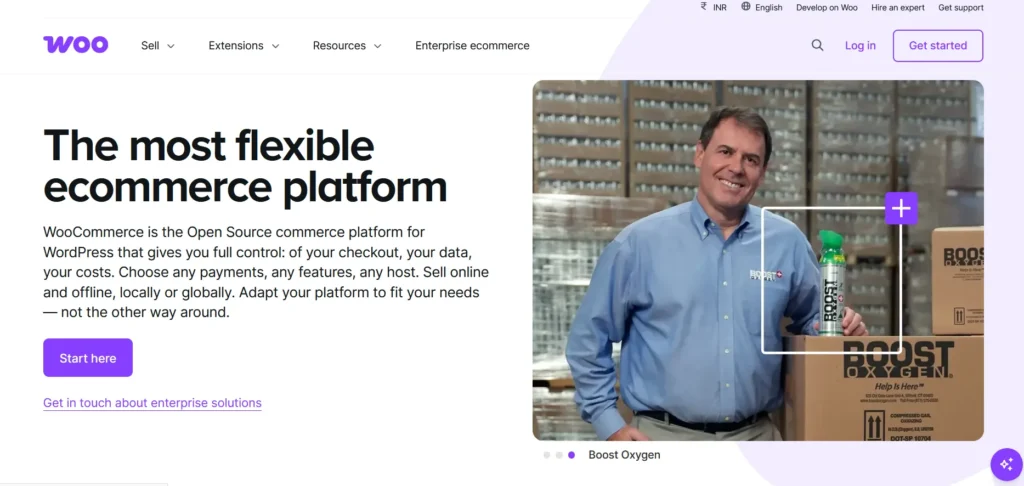
WooCommerce is a free, open-source plugin that turns a WordPress site into a shop. There is no subscription for the software, and you can use almost any payment gateway you like.
The catch: “Free” only goes so far. You pay for hosting and a domain, and updates, backups and security are your job (or your developer’s). It rewards people who want flexibility and don’t mind getting their hands dirty.
6. ShopWired
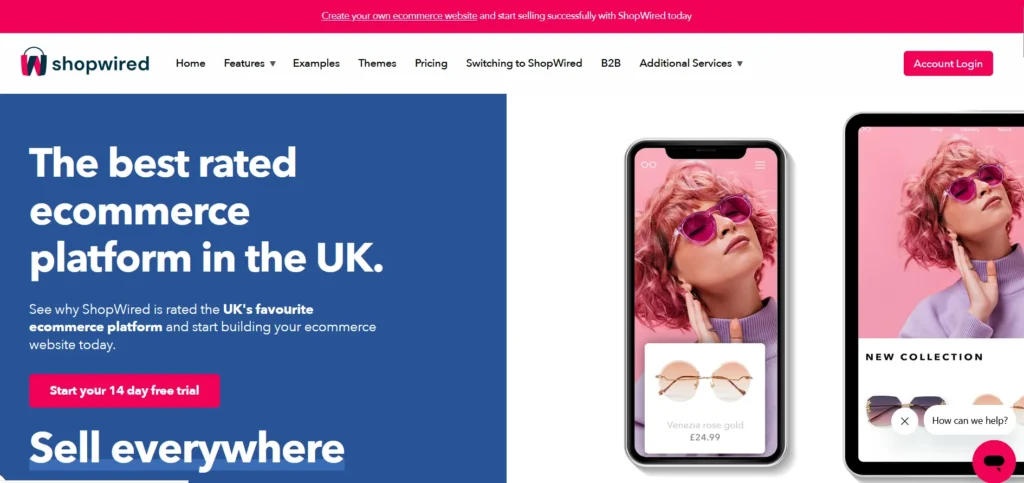
ShopWired is a British company with UK-based support and pricing in pounds, starting at around £31.46 a month on annual billing. Its standout feature is 0% transaction fees when you bring your own payment gateway.
Watch out for: It costs more than Shopify Basic to start, and its app and theme library is much smaller. Fewer agencies and freelancers know it, too.
7. BigCommerce
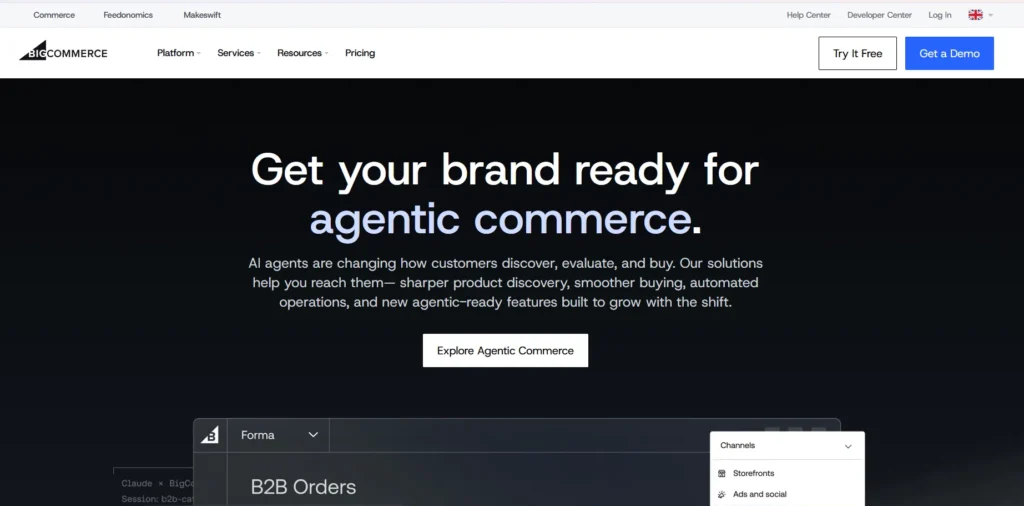
BigCommerce is built for bigger catalogues, multi-storefront setups and B2B selling and it charges nothing extra on its embedded payment providers. It is strong for growth but usually more than a tiny shop needs.
Watch out for: BigCommerce bills UK customers in US dollars, so your monthly cost in pounds moves with the exchange rate. Using a non-embedded payment provider can also add a fee.
What does it really cost? A £2,000-a-month example
Headline prices mislead because card fees grow with your sales. Here is the estimated monthly cost for a shop taking £2,000 across 50 orders of £40, using each platform’s own payment system on its entry plan (based on ExpertSure’s October 2026 modelling).
| Platform | Plan | Card fees | Total per month |
|---|---|---|---|
| Square Online | £0 | £40.50 | About £41 |
| Wix Core | £16 | £52 | About £68 |
| Squarespace Core | £17 | £52.50 | About £70 |
| Shopify Basic | £19 | £52.50 | About £72 |
| ShopWired | £31.46 | £48 | About £79 |
The lesson is simple. At small volumes, the paid platforms are not competing on price. You are paying for better tools, more apps and stronger support.
Read Also – Top Recent Fintech Startups in the UK to Watch in 2026
How to Choose the Right Ecommerce Platform
Small businesses have many ecommerce platforms to choose from. However, selecting the right one depends on your business needs, budget and future growth plans.
Here are some important factors to consider when choosing an ecommerce platform:
- Cost: Compare subscription fees, transaction charges and other additional costs.
- Marketplace vs. Standalone Platform: Decide whether to sell through an existing marketplace or build your own online store.
- Customization: Check whether the platform allows you to customize your store’s design and features.
- Ease of Use: Choose a platform that is easy to set up and manage.
- Scalability: Make sure the platform can support your business as it grows.
- Integrations: Check whether it connects with the tools and services your business needs.
- Customer Support: Look for reliable support to help resolve technical issues.
- POS Systems: Check whether it supports point-of-sale systems for managing online and offline sales.
- Multichannel Selling: Choose a platform that allows you to sell across multiple marketplaces and social media channels.
- Omnichannel Marketing: Look for features that help create a consistent customer experience across different channels.
- Email Marketing: Check whether it supports email marketing tools for customer engagement and promotions.
- Analytics: Make sure it provides useful reports on sales, customers and business performance.
Considering these factors can help small businesses choose an ecommerce platform that meets their current needs and supports long-term growth.
Read Also – Affiliate Marketing: What It Is and Is It Worth It in 2026?
Should you sell on Amazon, eBay or Etsy instead?
Marketplaces bring you buyers, but they take a big slice of every sale. On the same £2,000 a month, the estimated fees run to roughly £185 to £325 on Amazon, £225 to £285 on eBay and about £220 on Etsy, compared with around £41 to £79 on your own store.
So the trade is demand versus margin. If you have no audience yet, a marketplace can be a smart first step. Many sellers end up doing both: a marketplace for discovery, and their own shop for repeat customers and better margins.
VAT and selling abroad
You must register for VAT once your taxable turnover passes £90,000 in any rolling 12-month period, according to GOV.UK. It is a rolling test, so a busy Christmas can tip you over in the new year.
If you plan to sell in euros or other currencies, check multi-currency support before you pick a plan. On Wix, for example, it sits on the higher Business tier rather than Core.
How to choose: a simple cheat sheet
- Testing an idea or side hustle: Square Online
- Running a serious online shop: Shopify
- Shop attached to a service or content site: Wix or Squarespace
- Already on WordPress, or need custom features: WooCommerce
- Want UK support and your own payment gateway: ShopWired
- Large catalogue, wholesale or multiple storefronts: BigCommerce
- No audience and no marketing budget yet: start on a marketplace, then add your own store
Common mistakes to avoid
- Choosing on plan price alone. Always add card fees, apps and themes.
- Ignoring how you’ll leave. Moving platforms is possible, but themes and apps don’t transfer. If your product URLs change, set up redirects or you will lose hard-won search rankings.
- Overbuying. A small shop rarely needs enterprise features. Start lean and upgrade when sales demand it.
- Forgetting mobile. Most UK shoppers browse on their phones, so test your checkout on one before you launch.
Conclusion
There is no single “best” platform, only the best fit for your products, budget and ambitions. If you want one safe pick, go with Shopify. If cash is tight, start free with Square Online. And whichever you choose, compare the true monthly cost, not just the headline price.
Read Also – Best Website Builders for Small Business in 2026
Frequently asked questions
Shopify is the best all-round choice for most UK small businesses, with plans from around £19 a month on annual billing. Square Online is the best free option, and WooCommerce is best if you want full control on WordPress.
Square Online is the cheapest. The store is free and you pay only 1.4% + 25p per UK card payment. At around £2,000 a month in sales, that works out at roughly £41 a month all-in.
Yes, if selling online is your main business. You are paying for a complete toolkit, abandoned-cart recovery and a huge app store. If you only want the lowest cost, Square Online is cheaper at small volumes.
ShopWired is a British ecommerce platform with UK support and pricing in pounds, from about £31.46 a month on annual billing. It charges 0% transaction fees if you use your own payment gateway.
No. BigCommerce bills UK customers in US dollars, so your cost in pounds will shift with the exchange rate.
Your own website, by a wide margin. On £2,000 of monthly sales, Etsy’s fees come to roughly £220 a month, against about £41 to £79 on a standalone store. The difference is that Etsy brings you its own buyers.
Only once your taxable turnover passes £90,000 in any rolling 12-month period. Below that, registration is optional.