AI insurance platform Nettle has raised $4.8 million in an oversubscribed seed funding round. The company provides technology that helps commercial insurers identify and manage potential risks and losses.
The round was led by MTech, with Project A Ventures making a follow-on investment. Other investors included Sure Valley Ventures (SVV), Portfolio Ventures, Ventures Together, and several angel investors.
Nettle will use the new funding to expand across the US and Europe and grow its engineering and sales teams.
“Nettle has built a platform that turns Loss Control into a competitive advantage. The purpose has always been to prevent losses, but insurers can only act on the risks they understand. Too often, that understanding is limited by the capacity of their teams, and that’s the ceiling we’re removing. Our AI workspace gives insurers the tools to bring more of the portfolio into view, either through risk engineers, agents, or even policyholders, “said Jack Miller, co-founder and CEO of Nettle.
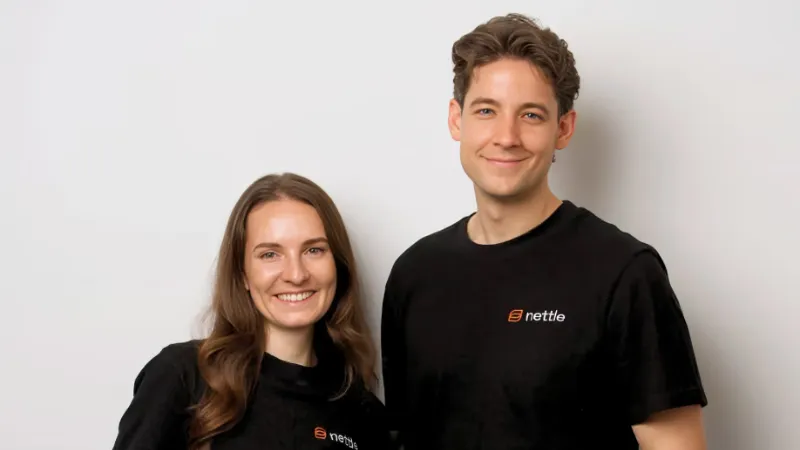
Nettle was founded in 2024 by former QuantumBlack colleagues Jack Miller and Katya Kinane. The company is building an AI-powered workspace that helps commercial insurers identify and manage physical risks.
The company is focused on helping loss control teams, which assess risks across insurance portfolios. Nettle says these teams can face backlogs of up to six months. At the same time, around 40% of risk engineers are expected to retire by 2030, putting additional pressure on the industry.
Nettle’s platform brings risk identification, data collection, analysis, and reporting together in one place. It uses AI and external data to help identify potential risks remotely. Its guided inspection tools also allow risk engineers, insurance agents, and policyholders to collect information about properties and other risks.
The platform can analyse images, videos, audio, documents, and third-party data. It then uses this information to create reports, risk scores, and recommendations, helping insurers make faster and more informed decisions about potential risks.