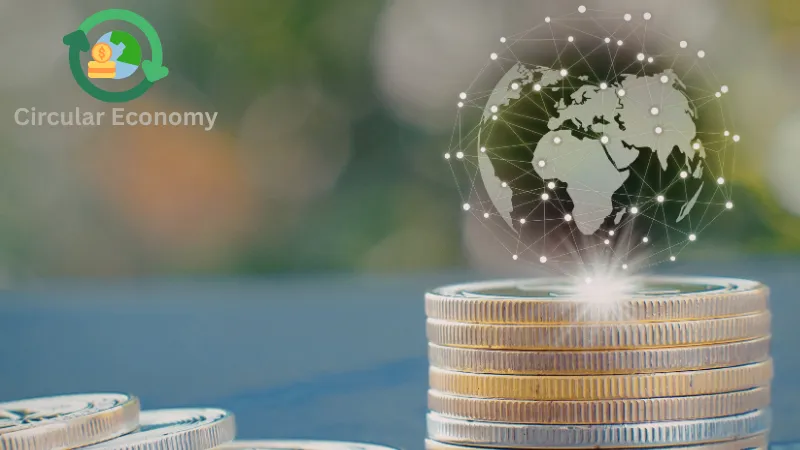
The circular economy is basically about moving away from the traditional “take, make, use, and throw away” approach. Instead, the idea is to keep products, materials, and components in use for as long as possible and find ways to create new value from things that would otherwise become waste.
For entrepreneurs and investors, this creates several interesting business opportunities.
Circular Business Models You Can Start or Invest In
Product-as-a-Service (PaaS) and Leasing
Instead of selling a product to a customer once and moving on, businesses can keep ownership of the product and offer it through leasing, subscriptions, or pay-per-use models. Car-sharing services and equipment rental businesses are good examples. This creates a steady stream of recurring income and also encourages companies to make products that are durable and easy to maintain.
Refurbishment and Resale
Used products don’t necessarily lose all of their value. Businesses can collect or buy products such as smartphones, electronics, furniture, and clothing, repair or refurbish them, and sell them again. This can be a profitable business because it gives products a second life while making them more affordable for customers. In some cases, refurbishing a product can recover much more value than simply recycling its materials.
Modular and Repair-Friendly Products
Another opportunity is to design products that are easy to repair and upgrade. Instead of replacing an entire product when one part stops working, customers can simply replace the damaged component. This creates additional revenue through spare parts, upgrades, maintenance, and repair services while reducing waste.
Turning Waste into New Products
Waste can also become a valuable raw material. For example, used coffee grounds can be turned into mushroom-growing substrates, agricultural and animal waste can be converted into biogas and organic fertilizer, and discarded plastic bottles can be processed into materials used for textiles. Businesses that can turn low-value waste into useful products can create entirely new markets.
Sharing and Rental Platforms
Not everything needs to be owned individually. Businesses can create platforms or local services where people share or rent things they only need occasionally, such as tools, appliances, equipment, or vehicles. Customers save money, while the business earns through rental fees, memberships, or commissions.
Why the Circular Economy Can Be Profitable
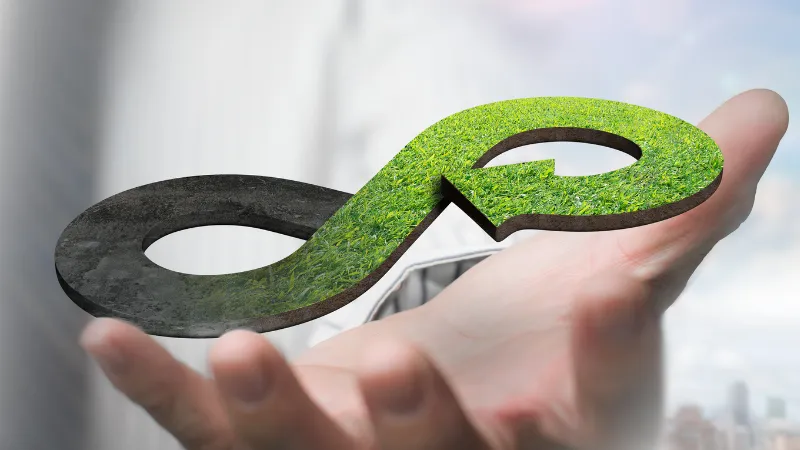
The circular economy isn’t just about helping the environment. It can also make good business sense.
• Lower Material Costs
Using recycled, reused, or recovered materials can reduce dependence on expensive raw materials and make supply chains more efficient. For some Indian industries, adopting circular practices can potentially reduce raw-material consumption costs by 20%–30%, depending on the industry and business model.
• New Sources of Revenue
Waste doesn’t always have to be an expense. Businesses can turn waste, used products, spare parts, or recovered materials into additional products and services, creating new sources of income.
• Better Customer Loyalty
Consumers are becoming more interested in sustainable products and businesses. Programs such as trade-ins, product take-back schemes, repairs, and resale can give customers more reasons to stay with a brand. A strong sustainability offering can also help a company stand out and, in some markets, support premium pricing.
Overall, the circular economy creates an opportunity to make money by using resources more efficiently. The businesses that can find ways to extend product life, reduce waste, recover materials, and create new value from existing resources could have a strong advantage as the economy becomes more focused on sustainability.
Business Opportunities in the Circular Economy
Having worked closely with the circular economy and waste-management sector, I have seen that waste is not simply a problem—it can also be a valuable business opportunity. The key is to identify materials that are being discarded, understand where value is being lost, and build a business model that gives those materials a second life.
Based on my experience in this field, some of the most promising circular-economy business opportunities are:
1. E-Waste Collection and Refurbishment
Collecting used smartphones, laptops, appliances, and other electronic products can be a profitable opportunity. Products that are still repairable can be refurbished and resold, while components that cannot be reused can be directed to authorized recycling channels.
A Simple Guide – Types of E-Waste and How to Recycle Each One.
2. Clothing Resale and Upcycling
Used clothing has significant potential for reuse. Good-quality garments can be cleaned and resold, while damaged or unwanted textiles can be converted into bags, rugs, cushions, and other products. This model combines waste reduction with a growing second-hand market.
3. Refurbished Furniture
Old furniture can often be restored instead of being thrown away. By repairing, repainting, redesigning, and improving used furniture, businesses can create attractive products and sell them at a good margin.
4. Repair and Maintenance Services
One of the simplest ways to support a circular economy is to extend the life of existing products. Repair businesses can focus on electronics, appliances, bicycles, furniture, machinery, and other products. Revenue can come from repair charges, spare parts, and maintenance contracts.
5. Reusable Packaging
Businesses can provide reusable boxes, containers, crates, and delivery packaging to restaurants, retailers, manufacturers, and e-commerce companies. Instead of single-use packaging being discarded after one delivery, it can be collected, cleaned, and used repeatedly.
6. Converting Agricultural Waste into Products
Agricultural waste such as crop residues and other organic materials can be converted into useful products including compost, briquettes, pellets, biogas, biochar, and animal bedding. The opportunity is particularly interesting because the raw material is often available at a relatively low cost.
7. Coffee-Waste Utilization
Used coffee grounds from cafés and restaurants can be collected and converted into useful products such as mushroom-growing substrates, compost, and other value-added materials. This is a good example of taking a small but consistent waste stream and creating a new business around it.
8. Construction-Waste Recovery
Construction and demolition activities generate large quantities of materials such as bricks, wood, metal, tiles, and fixtures. A business can collect, sort, recover, and resell usable materials instead of allowing them to become waste.
9. Battery Collection and Recycling
As the use of electric vehicles and battery-powered products increases, the collection and responsible recycling of used batteries will become increasingly important. A business can build a collection network and work with authorized recycling and recovery companies.
10. Vehicle and EV Refurbishment
Used bicycles, electric scooters, and other vehicles can be repaired, upgraded, and resold or offered through rental and leasing models. This creates an opportunity to earn from both refurbishment and recurring usage.
11. Plastic Waste Upcycling
Instead of treating plastic waste only as something to recycle, businesses can focus on converting specific types of plastic waste into new products such as furniture, construction materials, storage products, décor items, or textiles.
12. Waste-Management Services for Businesses
Many restaurants, offices, hotels, and factories generate valuable recyclable waste but do not have an efficient system for managing it. A business can provide an end-to-end service covering collection, sorting, recovery, recycling, and waste reporting, usually through a monthly service model.
Read more – Waste Management Services and Companies.
Where I See the Biggest Opportunity
From a business perspective, the strongest circular-economy models are those where the company can source waste or used materials at a low cost, add value through repair, processing, or refurbishment, and then sell the recovered product into a market where customers are willing to pay.
The circular economy therefore isn’t only about recycling. It is about finding value in what is currently being wasted and building a sustainable business around that value.