
Nodal Networks Inc., a company that develops artificial intelligence (AI) technology to manage shipping container terminals, has raised $11.3 million in seed funding. The company will use the funding to help ports and railway hubs reduce traffic congestion and handle cargo more efficiently.
Freight networks transport more than one billion shipping containers every year. These containers carry everyday goods such as clothing, electronics, furniture, construction materials and fresh food products.
“Watching ports through Earth-observation satellites, I started to see transport as a physical internet: Containers are the data packets, ports and rail yards are the routers, and congestion is the lag,” said co-founder and Chief Executive Paul Albert-Lebrun. “So, we went looking for the routers. We spent eight months in ports, terminals and rail yards, and even sailed the North Sea aboard a container ship, learning the work from the people who do it.”
“There’s a lot of noise about AI in our industry right now, and I see a new company pitching terminals almost every week,” said Peter Levesque, an adviser to Nodal and former president of Ports America Inc. and CEO of CMA CGM North America LLC. “Most bring a general-purpose tool and look for somewhere to apply it, and few can answer the question every operator asks: what’s the return? Nodal got into the details, surrounded itself with the right people and kept the customer’s bottom line at the center of everything.”
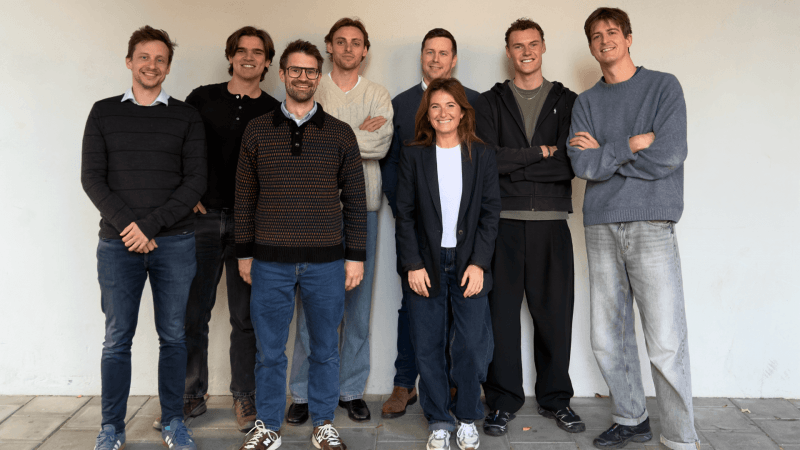
Nodal Networks was founded by Paul Albert-Lebrun, its CEO, and Nic Westgate, its Chief Commercial Officer. The company develops AI technology that helps ports and railway hubs reduce congestion and handle more cargo using their existing facilities and equipment.
Its platform, called Malcom, uses AI tools and forecasting technology to help port and rail operators manage their daily work. It collects information from existing systems, schedules, emails and other operational messages.
The platform helps operators predict where congestion may occur and identify areas where time and productivity are being lost. It also helps them make better decisions about container placement, equipment use and cargo loading.