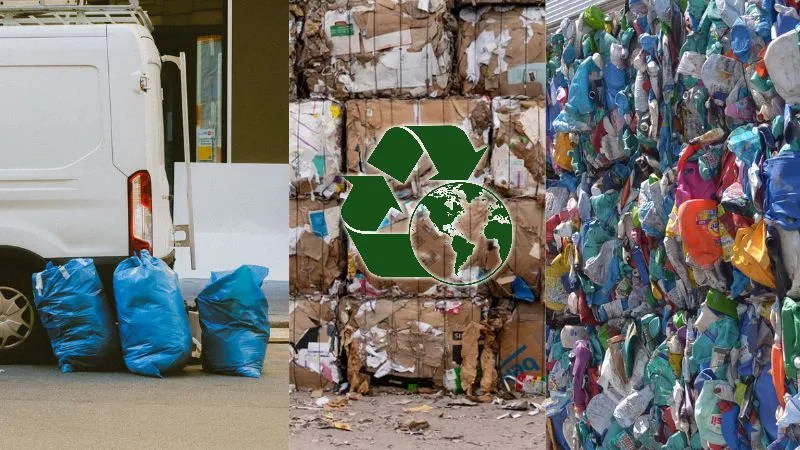
Waste is part of almost every business, household, construction project, manufacturing operation, and commercial activity. The challenge is not simply getting rid of it. Waste needs to be collected at the right time, separated correctly, transported safely, and sent to the most appropriate destination. Depending on the material, that destination may be a recycling facility, composting site, treatment plant, recovery facility, or landfill.
This is where waste management services and companies play an important role.
Waste management companies help businesses, local authorities, property managers, manufacturers, contractors, healthcare organizations, and households manage the waste they generate. Their services can include routine garbage collection, commercial waste disposal, recycling, construction waste removal, industrial waste management, organic waste processing, electronic waste recycling, hazardous waste handling, and resource recovery.
The industry has also changed significantly. Waste management is no longer focused only on collecting rubbish and taking it to a landfill. Many modern waste management programs are designed around waste reduction, recycling, reuse, material recovery, circular economy practices, and environmental sustainability.
For businesses, choosing the right waste management provider can therefore affect more than cleanliness. It can influence operating costs, workplace safety, regulatory compliance, recycling rates, environmental performance, and the overall efficiency of waste handling.
Waste management is the organized process of handling waste from the moment it is generated until it is reused, recycled, treated, recovered, or disposed of.
The process can involve several activities, including:
The exact process depends on the type of waste involved.
For example, cardboard from an office can usually enter a recycling stream, while food waste may be suitable for composting or anaerobic digestion. Construction debris may contain concrete, wood, metals, and other materials that can be separated for recovery. Some industrial or chemical waste requires specialized handling and treatment.
A professional waste management company evaluates these differences and develops a collection and disposal process suitable for each waste stream.
A waste management company provides services that help customers deal with waste safely and efficiently. The services offered vary considerably from one provider to another.
Some companies concentrate on municipal garbage collection and commercial waste disposal. Others specialize in recycling, industrial waste, hazardous materials, construction debris, medical waste, or electronic waste.
Larger companies may provide several services under one contract, allowing a business to use a single provider for general waste, recyclables, food waste, and specialized waste streams.
Typical activities include:
Waste collection is often the first stage of the waste management process. Companies provide containers, dumpsters, bins, compactors, or other equipment and collect waste according to an agreed schedule.
Collection may be daily, weekly, monthly, on-demand, or based on the customer’s operational requirements.
Once waste has been collected, it must be transported to an appropriate facility. Different materials may require different transportation arrangements.
General commercial waste can typically be moved using standard collection vehicles, while certain regulated or hazardous materials require specialized vehicles, packaging, labeling, and handling procedures.
Mixed waste can contain materials with very different disposal options. Sorting separates recyclable, reusable, organic, hazardous, and residual materials.
Sorting may take place at the customer’s facility, at a transfer station, or at a material recovery facility.
Recycling involves recovering materials from waste and processing them so they can potentially be used again.
Common recyclable materials include:
The actual materials accepted depend on the recycling facility and local waste management infrastructure.
Some waste requires treatment before it can be recovered or disposed of. Treatment methods vary depending on the material and its characteristics.
Industrial, chemical, medical, and hazardous waste may require specialized treatment processes.
Waste that cannot reasonably be recycled, reused, recovered, or treated may require final disposal.
Landfills remain an important part of waste infrastructure in many regions, although waste management strategies increasingly focus on diverting recoverable materials away from landfill where practical.
The waste generated by a small office is very different from waste produced by a manufacturing plant. As a result, waste management services are usually divided into different categories.
Commercial waste management is designed for businesses such as offices, shops, restaurants, hotels, supermarkets, warehouses, and service providers.
Common commercial waste includes:
Commercial waste companies can provide scheduled collection services using wheeled bins, dumpsters, front-load containers, compactors, or other suitable equipment.
For businesses with high waste volumes, compactors and balers can reduce the space required for waste storage and may make collection more efficient.
Industrial facilities can generate large quantities of waste during manufacturing and production.
Industrial waste may include:
Industrial waste management requires a more detailed understanding of the materials involved. A provider may need to separate multiple waste streams and coordinate different recycling, treatment, and disposal routes.
A well-designed industrial waste management program can also help manufacturers identify opportunities to reduce waste at the source.
Construction and demolition projects generate substantial quantities of material.
Typical construction waste includes:
A construction waste management company can provide dumpsters, roll-off containers, scheduled pickups, material sorting, recycling, and disposal services.
Separating materials at the job site can make recycling and recovery easier. Metals, concrete, wood, and other materials may have potential recovery value depending on local markets and facility capabilities.
Residential waste management includes the collection and processing of household waste.
Services may cover:
Municipal governments commonly organize household waste collection, although private waste management companies may also provide residential services in certain markets.
Hazardous waste requires special attention because certain materials can present risks to people, property, or the environment.
Examples can include:
Hazardous waste must be identified and managed according to the regulations that apply in the relevant jurisdiction.
Professional hazardous waste companies can provide waste characterization, specialized containers, collection, transportation, treatment, recycling, and disposal.
Read more – Hazardous Waste Management.
Hospitals, clinics, laboratories, dental practices, and other healthcare facilities can produce several types of waste.
Healthcare waste may include general waste, recyclable materials, pharmaceutical waste, contaminated materials, sharps, and other specialized waste streams.
Healthcare waste management requires appropriate segregation, storage, collection, transportation, treatment, and disposal procedures.
Electronic waste, commonly known as e-waste, is produced when electronic equipment reaches the end of its useful life.
Examples include:
E-waste can contain valuable metals and other recoverable materials. It can also contain substances that require controlled handling.
Electronic recycling companies can dismantle, sort, refurbish, recover, and process electronic equipment through appropriate channels.
Organic waste includes materials that can naturally decompose.
Common examples include:
Depending on the available infrastructure, organic waste can be composted, processed through anaerobic digestion, or managed using other recovery methods.
For restaurants, food manufacturers, supermarkets, and hospitality businesses, separating organic waste from general waste can create opportunities for greater resource recovery.
Recycling is one of the most visible parts of modern waste management, but it is only one component of a larger system.
The goal of resource recovery is to capture useful materials or energy from waste rather than treating everything as disposable.
Material recovery may involve:
A waste audit can help businesses understand how much waste they generate and identify materials that could be recycled, reused, or eliminated.
For example, a business may discover that a significant percentage of its general waste consists of cardboard and packaging. Improving source separation could reduce the amount of residual waste requiring disposal.
Businesses often generate multiple waste streams at the same location. A restaurant may have food waste, cardboard, glass, cooking oil, packaging, and general waste. A manufacturing plant may have scrap metal, production waste, packaging, chemicals, and industrial residues.
Because of this, a single general waste container may not be the most efficient solution.
A commercial waste management company can assess the waste generated by the business and develop a collection system around those materials.
This may include:
The objective is to create a system that is practical for employees and efficient for the business.
One of the most useful services offered by some waste management providers is a waste audit.
A waste audit examines the type and quantity of waste produced by an organization. The results can reveal where waste is coming from and which materials are being unnecessarily sent for disposal.
A waste audit may consider:
The information can then be used to improve waste segregation, reduce unnecessary collections, increase recycling, or identify opportunities to reduce waste at its source.
Waste reduction is often more effective than simply increasing disposal capacity. If a business can prevent waste from being created in the first place, it reduces the amount of material that needs to be collected, transported, processed, or disposed of.
There are many waste management companies in different markets, but not every provider offers the same services.
Before signing an agreement, businesses should consider several factors.
Start by identifying the materials your business generates. Make sure the provider is equipped to handle those specific waste streams.
Determine how often waste needs to be collected.
A restaurant may require frequent food waste collection, while a small office may need only weekly or less frequent service.
The right container depends on the amount and type of waste generated.
Common options include:
If your organization has sustainability targets, ask what recycling services the company provides and how recyclable materials are processed.
Confirm that the provider serves your area and can maintain the collection schedule required by your organization.
Waste management companies should have appropriate procedures for handling the materials they accept. This is especially important for hazardous, medical, industrial, and other specialized waste.
Businesses may benefit from reports showing waste volumes, recycling rates, collection activity, and other relevant information.
Good reporting can help companies measure progress toward sustainability and waste reduction goals.
Waste management pricing can depend on several factors, including:
Rather than choosing a company solely on the lowest quoted price, businesses should compare the complete service package.
The global waste management market includes large international corporations, regional waste haulers, recycling specialists, environmental service providers, and companies focused on particular waste streams.
Some of the industry’s larger names have developed extensive networks for waste collection, recycling, landfill management, resource recovery, and environmental services. Regional companies can also be strong choices because they may provide more localized service and understand the waste infrastructure in their area.
When researching the top waste management companies, it is useful to compare providers based on their actual capabilities rather than simply looking at company size.
Important comparison factors include:
Does the company provide general waste collection, recycling, construction waste services, industrial waste management, hazardous waste handling, or other services you require?
Does the company own or operate recycling and material recovery facilities, or does it work with third-party facilities?
Modern waste management companies may use route optimization, smart containers, automated sorting, tracking systems, and data analytics to improve efficiency.
Look at how the company approaches landfill diversion, recycling, resource recovery, emissions reduction, and circular economy initiatives.
Reliable collection is important, but so is communication when schedules change or additional services are required.
A major international company may have a strong reputation but may not offer the exact service required in every location. Local availability should therefore be checked before making a decision.
Technology is changing how waste is collected, sorted, tracked, and processed.
Smart waste management systems can use sensors to monitor container fill levels. This information can help companies optimize collection routes and avoid unnecessary trips.
Other technologies include:
Automation can be particularly useful at recycling and material recovery facilities, where large quantities of mixed materials must be separated quickly.
Technology does not replace the need for good waste management planning, but it can improve efficiency and provide better information about waste generation.
The traditional waste model is often described as a linear system: materials are produced, used, and eventually discarded.
The circular economy takes a different approach. It focuses on keeping products and materials in use for as long as possible and recovering their value at the end of a product’s useful life.
Waste management companies can contribute to this model through:
For businesses, circular economy principles can also encourage changes in purchasing, product design, packaging, and manufacturing processes.
Effective waste management can provide important environmental benefits.
Proper waste segregation helps prevent recyclable materials from becoming contaminated with general waste. Recycling can reduce the need for virgin raw materials for certain products. Composting can provide an alternative route for suitable organic waste.
Responsible waste disposal also helps reduce illegal dumping and uncontrolled waste accumulation.
The environmental impact of waste management varies according to the material, collection system, treatment technology, transportation requirements, and final disposal method. For that reason, businesses should look at the entire waste lifecycle rather than focusing on a single disposal method.
The waste management industry faces several challenges as waste volumes increase and waste streams become more complex.
Population growth, urbanization, changing consumption patterns, and economic activity can increase the amount of waste requiring management.
Some products contain combinations of materials that are difficult or expensive to separate and recycle.
Recyclable materials contaminated with food, chemicals, or other waste can become difficult to process.
Not every region has access to modern recycling, treatment, or recovery infrastructure.
Certain waste streams require specialized equipment, facilities, training, and transportation arrangements.
Waste management requirements can change as governments introduce new environmental and recycling policies.
These challenges make professional waste management planning increasingly important for businesses and communities.
Waste management services include the collection, transportation, sorting, recycling, treatment, recovery, and disposal of waste. The exact services available depend on the waste management company and the customer’s requirements.
A waste management company helps customers manage the waste they generate. Depending on its specialization, a provider may collect general waste, recycling, construction debris, industrial materials, hazardous waste, organic waste, or electronic waste.
Waste disposal refers mainly to the final handling of waste, while waste management covers the broader process from collection and transportation through recycling, treatment, recovery, and final disposal.
Common recyclable materials include paper, cardboard, metals, glass, and certain plastics. Electronics, construction materials, and other specialized materials may also be recyclable through dedicated programs.
Separating waste at the point where it is generated can improve recycling and recovery opportunities and reduce contamination between different waste streams.
Commercial waste management refers to waste collection, recycling, processing, and disposal services provided to businesses such as offices, restaurants, retail stores, hotels, warehouses, and other commercial properties.
Industrial waste management involves handling waste generated by manufacturing, processing, production, and other industrial activities. It can include recycling, material recovery, treatment, transportation, and disposal.
A waste audit is an assessment of the type, quantity, and source of waste generated by an organization. It can help identify opportunities for waste reduction, recycling, and more efficient collection.
Collection frequency depends on the amount and type of waste produced, available storage space, business operations, and local requirements. High-volume businesses may require frequent collections, while smaller organizations may need less frequent service.
Some waste management companies operate recycling programs and facilities, while others transport collected materials to third-party recycling facilities. Businesses should ask providers how recyclable materials are handled after collection.
Waste management is much broader than simply removing unwanted materials from a property. It is a complete system involving waste collection, waste transportation, recycling, waste treatment, resource recovery, and final disposal.
The right waste management company can help businesses manage everyday commercial waste as well as more specialized materials such as construction debris, industrial waste, organic waste, electronic waste, and hazardous waste.
When comparing waste management services and companies, businesses should consider their specific waste streams, collection requirements, recycling goals, service area, budget, reporting needs, and compliance responsibilities.
The strongest waste management strategy is not necessarily the one that removes the largest amount of waste. It is the one that manages materials intelligently—reducing waste where possible, recovering useful resources, recycling suitable materials, treating specialized waste appropriately, and disposing of residual waste responsibly.
As businesses and communities place greater emphasis on sustainability and resource efficiency, waste management companies are becoming an increasingly important part of the environmental services industry. Companies that combine dependable collection with recycling, technology, resource recovery, and practical waste reduction solutions can help customers move toward a cleaner and more efficient approach to managing waste.