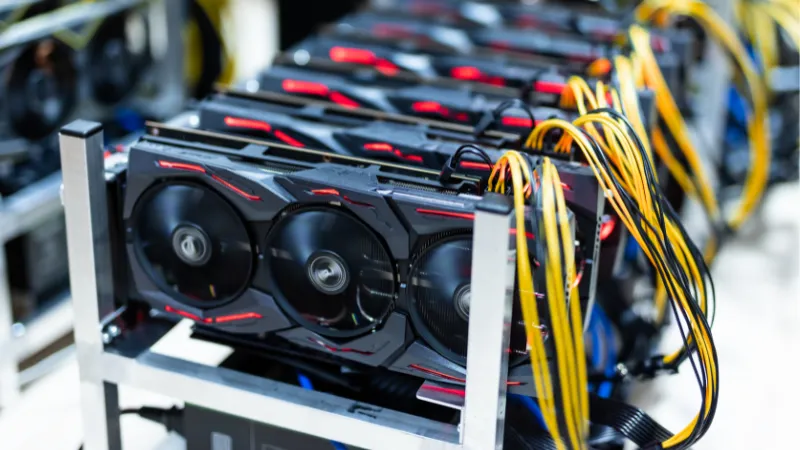
Bitcoin mining has changed a lot over the years. Mining machines that were considered powerful and profitable a few years ago may no longer deliver the same performance today. With newer and more energy-efficient ASIC miners entering the market, mining farms and individual operators regularly replace older equipment.
But what happens to those old machines?
This is where Bitcoin miner machine recycling comes into the picture. Instead of allowing outdated or damaged mining hardware to sit unused in storage or sending it directly to a landfill, recycling gives the equipment a second purpose. Different parts of a Bitcoin miner can be separated, recovered, reused, or processed for their material value.
What is Bitcoin Miner Machine Recycling?
Bitcoin miner machine recycling refers to the proper collection and processing of old, damaged, or obsolete Bitcoin mining machines. An ASIC miner contains several components, including circuit boards, aluminium frames, copper wiring, cooling parts, chips, and other electronic materials.
During the recycling process, the equipment is dismantled and its different materials are separated. Components that still have practical value may be reused or refurbished, while recoverable metals and other materials can be sent for further processing.
In simple terms, Bitcoin miner recycling is about recovering as much useful value as possible from mining hardware that is no longer suitable for active mining.
Why Recycling Used Bitcoin Mining Equipment Matters
Bitcoin miners are not ordinary electronic devices. They run continuously under demanding conditions and can eventually become inefficient, damaged, or simply outdated. For large mining operations, this can result in hundreds or even thousands of machines that are no longer economical to run.
Keeping this equipment in storage is not always practical. At the same time, disposing of electronic hardware without following proper recycling practices can add to the growing e-waste problem.
Recycling offers a better option. It helps mining companies, hardware owners, and recyclers recover useful materials from machines that might otherwise be treated as waste. It also supports better electronic waste management and reduces unnecessary disposal.
Growing Volume of Obsolete and Damaged ASIC Miners
The Bitcoin mining industry is constantly moving towards faster and more efficient hardware. As new ASIC models become available, older machines can quickly lose their competitive advantage, particularly when electricity costs are high.
Apart from becoming obsolete, mining machines can also be damaged by overheating, dust, power fluctuations, fan failures, or long-term use. Not every machine can be economically repaired, which means a significant amount of mining hardware eventually reaches the end of its useful life.
For mining farms and businesses handling large volumes of equipment, recycling these machines is becoming an important part of responsible hardware management.
Environmental and Economic Benefits of Responsible Recycling
There are clear environmental benefits to recycling Bitcoin mining equipment. Recovering materials such as aluminium, copper, and other metals can reduce the demand for new raw materials and keep valuable resources in circulation. Proper e-waste recycling also helps prevent old electronic components from being handled or disposed of improperly.
There is an economic side as well. Even when an ASIC miner is no longer profitable for mining, its components and recyclable materials may still have value. Recycling can therefore help businesses recover some value from obsolete equipment while reducing storage and disposal requirements.
As the Bitcoin mining industry continues to expand and hardware keeps evolving, Bitcoin miner machine recycling is likely to become an increasingly important part of managing the lifecycle of mining equipment—from its first day in operation to its eventual retirement.
What Is a Bitcoin Mining Machine?
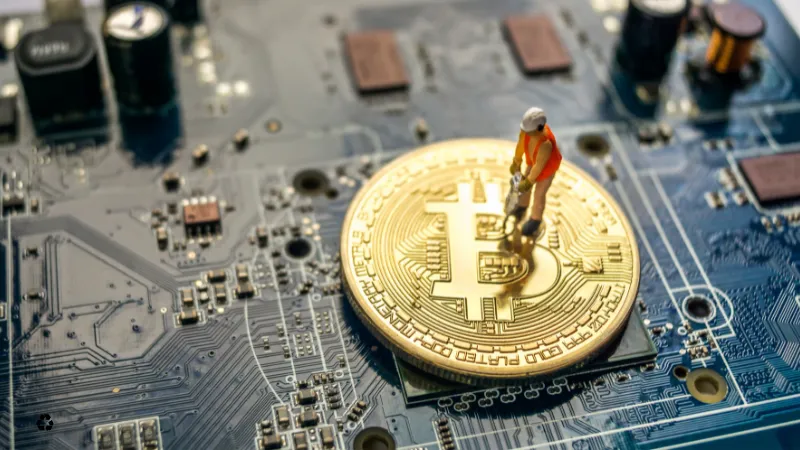
A Bitcoin mining machine is a specialized computer built to perform the calculations required to mine Bitcoin. Unlike a regular desktop PC or gaming computer, a mining machine is designed to run continuously, processing huge numbers of calculations every second while using as much computing power as efficiently as possible.
Bitcoin mining hardware has changed significantly over the years. Early miners could use ordinary CPUs and graphics cards (GPUs), but those methods are no longer competitive. Today, serious Bitcoin mining is almost entirely done with ASIC miners, or Application-Specific Integrated Circuit miners. These machines are designed specifically for the SHA-256 algorithm used by Bitcoin.
An Overview of Bitcoin Mining Hardware
At a basic level, Bitcoin mining hardware needs to do one thing extremely well: calculate hashes at high speed.
The machine repeatedly takes transaction data and other information from the Bitcoin network and runs it through the SHA-256 hashing algorithm. Miners are essentially searching for a valid hash that meets the network’s current difficulty requirements. The more calculations a machine can perform per second, the better its chances of finding a block.
Mining performance is generally measured in terahashes per second (TH/s). Power efficiency is just as important, however. A miner that produces a high hashrate but consumes too much electricity may not be profitable once energy costs are taken into account.
This is why choosing Bitcoin mining hardware isn’t simply about buying the machine with the highest advertised hashrate. Hashrate, power consumption, electricity prices, cooling requirements, machine reliability, and the current Bitcoin mining difficulty all matter.
ASIC Miners: How Do They Work?
An ASIC miner is a piece of hardware built for one specific purpose. In the case of a Bitcoin ASIC, that purpose is performing SHA-256 calculations as quickly and efficiently as possible.
Inside the machine are multiple hash boards containing specialized ASIC chips. These chips perform the actual hashing work. A control board manages the miner’s operation, communicates with the mining pool or network, and allows the user to configure and monitor the machine.
The miner also needs a substantial amount of power to keep those chips running. That’s where the power supply unit (PSU) comes in. Since ASIC miners generate a lot of heat while operating, powerful fans and heatsinks are used to move heat away from the chips and push hot air out of the machine.
Put simply, an ASIC miner is a combination of high-performance computing hardware, power management, and cooling equipment packed into a machine that is built to operate around the clock.
Common Components Inside a Bitcoin Mining Machine
Although different manufacturers and models use different designs, most ASIC Bitcoin miners contain several core components:
- Hash boards: These contain the ASIC chips that perform the Bitcoin mining calculations. They are the main source of the machine’s hashrate.
- Control board: This acts as the miner’s central controller. It handles communication, configuration, firmware, monitoring, and connections to mining pools.
- Power supply: ASIC miners require a reliable power supply capable of delivering substantial amounts of electricity continuously.
- Fans: High-speed fans circulate air through the machine and remove the heat produced by the ASIC chips.
- Heatsinks: These are attached to or positioned around the chips to help transfer heat away from the components.
- Cables and connectors: Power and data cables connect the hash boards, control board, fans, and power supply.
- Metal frame or chassis: The frame holds everything together and is designed to provide airflow and physical protection while the machine is running.
Each component has an important role. A problem with a single fan, cable, hash board, or power supply can affect the machine’s performance or prevent it from mining altogether.
Why Bitcoin Mining Hardware Eventually Becomes Obsolete
One of the biggest misconceptions about Bitcoin mining machines is that they remain useful simply because they still work.
In reality, mining hardware has a relatively short competitive lifespan. New generations of ASIC miners are regularly introduced with better chips, higher hashrates, and improved energy efficiency. As newer machines enter the market, older models gradually become less economical to operate.
The biggest factor is usually energy efficiency. Consider two machines that produce a similar amount of hashrate. If one consumes significantly more electricity, its operating costs will be much higher. When electricity represents one of the largest expenses in Bitcoin mining, that difference can make an older machine unprofitable even if it is still technically functioning.
Bitcoin’s increasing mining difficulty also puts pressure on older hardware. As more computing power joins the network, miners generally need more efficient equipment to remain competitive.
That doesn’t necessarily mean an older Bitcoin miner has no value. Depending on electricity costs, Bitcoin’s market price, the machine’s condition, and its resale or parts value, older hardware may still have a use. Some machines are also kept for spare parts or refurbished for operations where low electricity costs make them viable.
Ultimately, a Bitcoin mining machine should be viewed as a piece of specialized equipment rather than a long-term investment in computing hardware. Hashrate matters, but efficiency matters just as much. The machines that remain competitive are generally the ones that can produce the required hashrate while keeping electricity consumption and operating costs under control.
Why Bitcoin Miner Machines Need Recycling
Bitcoin mining hardware is built to work hard, often running 24 hours a day under heavy loads. But even a well-maintained Bitcoin miner machine won’t remain efficient forever. As mining technology improves, older equipment becomes less competitive, and damaged or outdated machines can quickly turn into electronic waste.
Recycling gives miners a practical way to deal with hardware that is no longer profitable or usable while recovering materials that still have value.
Rapid Hardware Upgrades and Technological Obsolescence
Bitcoin mining is a fast-moving industry. New generations of ASIC miners continue to deliver higher hashrates with better energy efficiency, putting older machines under increasing pressure.
A miner that was competitive a few years ago may consume too much electricity compared with newer hardware. Once the cost of running an older machine outweighs its mining returns, replacing it can make more financial sense.
However, retiring an ASIC miner doesn’t mean it should simply be thrown away. Recycling allows useful components and materials to be recovered instead of sending the entire machine to a landfill.
Equipment Damage and Reduced Mining Efficiency
Mining machines operate under demanding conditions. Continuous operation, high temperatures, dust, voltage fluctuations, and heavy workloads can gradually wear down components.
Fans can fail, hash boards can develop faults, power supplies can become unreliable, and repeated heat cycles can affect electronic components. In some cases, repairs are worthwhile. In others, the cost of restoring an older machine simply isn’t justified by its expected mining performance.
Damaged or inefficient Bitcoin miners can therefore become a growing source of unwanted electronic equipment. Responsible recycling provides a better option for hardware that has reached the end of its practical working life.
Electronic Waste (E-Waste) Concerns
ASIC miners contain a combination of circuit boards, semiconductor components, wiring, cooling equipment, plastics, and metal parts. When old machines are discarded with ordinary household or industrial waste, those materials can end up in landfills or be processed through unsuitable disposal methods.
This contributes to the broader e-waste problem, which is already a major environmental concern worldwide.
Proper electronics recycling is designed to handle this type of equipment safely. Instead of treating an old mining machine as ordinary scrap, recyclers can dismantle it, separate different materials, and send suitable components for recovery or further processing.
Recovery of Valuable Materials
There is also a financial reason to recycle Bitcoin mining hardware: it contains materials that can still be useful.
Depending on the machine, recyclers may recover aluminum, copper, steel, circuit-board materials, and other metals from components such as heatsinks, frames, cables, power supplies, and electronic boards.
Not every part will have significant resale or recovery value, but large quantities of retired mining equipment can add up. For mining farms replacing hundreds or thousands of machines, proper recycling can turn some of that obsolete hardware into recoverable material rather than pure waste.
Reducing Landfill Waste and Environmental Impact
The most straightforward benefit of recycling Bitcoin miners is reducing the amount of electronic equipment that ends up in landfills.
Mining hardware has a relatively short competitive lifespan compared with many other types of computer equipment. As older ASICs are replaced, responsible recycling helps keep metals and other recoverable materials in circulation while reducing the need for additional raw-material extraction.
For mining operators, this makes hardware recycling more than a disposal issue. It can be part of a more responsible Bitcoin mining lifecycle—from purchasing and operating equipment to repairing, retiring, and finally recycling it.
As the mining industry continues to upgrade its hardware, having a plan for obsolete and damaged machines will become increasingly important. Recycling ensures that when a Bitcoin miner reaches the end of its useful life, it doesn’t automatically become a waste problem.
What Happens to Old Bitcoin Mining Machines?
When a Bitcoin mining machine reaches the end of its useful life, it doesn’t necessarily go straight into a scrap bin. Proper recycling involves several steps, from collecting and inspecting the equipment to dismantling it and recovering usable materials.
For mining farms replacing large numbers of ASIC miners, having a clear recycling process is especially important. It helps keep unwanted equipment out of landfills and ensures that valuable components and materials aren’t unnecessarily lost.
Collection and Transportation
The process usually starts with collecting old, damaged, or obsolete mining equipment from the mining site, warehouse, repair facility, or other location where the machines are stored.
ASIC miners can be bulky and relatively heavy, particularly when dealing with large quantities. Proper packaging and transportation help prevent additional damage during handling and make it easier to keep different equipment batches organized.
For larger mining operations, recyclers may arrange bulk collection and transport rather than requiring the operator to move each machine individually.
Equipment Inspection and Sorting
Once the equipment reaches the recycling or processing facility, it is typically inspected and sorted.
At this stage, recyclers can determine whether a machine is completely beyond repair or whether some of its components still have practical value. Working or repairable ASIC miners may be separated from machines that are heavily damaged, outdated, or uneconomical to restore.
Parts such as hash boards, control boards, power supplies, fans, cables, and heatsinks can also be sorted based on their condition and potential for reuse or material recovery.
This initial inspection is important because not every old Bitcoin miner needs to be treated as waste.
Data and Security Considerations
Bitcoin mining machines generally don’t store the same type of personal information as a laptop or smartphone, but security should still be considered before equipment leaves a mining operation.
Operators should remove account credentials, network configurations, API keys, pool information, and other operational settings where applicable. Any storage devices or components capable of retaining sensitive information should be handled according to the organization’s data-security procedures.
It’s a simple step, but one worth including in the recycling process—particularly for large mining farms with established network and security infrastructure.
Dismantling and Component Separation
After inspection, equipment that isn’t suitable for reuse can be dismantled.
The metal chassis is separated from electronic boards and other internal components. Fans, power supplies, cables, heatsinks, hash boards, control boards, and other parts can then be separated into appropriate material or component categories.
Dismantling makes the next stage of the recycling process much more efficient. Instead of processing a complete ASIC miner as one mixed item, recyclers can direct different materials to the recovery methods best suited to them.
Material Recovery
Once the machine has been dismantled, recyclable materials can be recovered.
Aluminum and other metals may come from heatsinks and frames, while copper can be found in wiring, cables, and certain electrical components. Circuit boards contain a mixture of metals and other materials that can be processed through specialized electronics recycling methods.
The exact materials and quantities vary from one Bitcoin mining machine to another, but recovering these resources gives old hardware value beyond its original mining function.
Refurbishment and Reuse Where Practical
Recycling doesn’t always mean destroying the machine.
Some ASIC miners can be repaired, refurbished, or used as sources of replacement parts. A functioning fan, power supply, control board, or other component may be useful for maintaining another machine.
In some cases, an older miner may still make sense to operate in an environment with very low electricity costs. In other cases, refurbishment may be practical for resale or secondary use.
The key is to assess the equipment realistically. If repairing an outdated miner costs more than the machine is worth or its energy consumption makes operation uneconomical, material recycling is usually the more sensible option.
Responsible Disposal of Non-Recyclable Materials
Not everything inside an old Bitcoin miner can be recovered. Some plastics, damaged components, mixed materials, or contaminated parts may have limited recycling options.
These materials should be handled through appropriate waste-management channels rather than simply being sent to a landfill or mixed with general waste.
A responsible Bitcoin mining machine recycling process aims to recover as much material as reasonably possible and ensure that the remaining waste is handled according to applicable environmental and waste-disposal requirements.
For mining operators, this approach provides a cleaner end-of-life solution for obsolete ASIC hardware while also creating opportunities to recover components and materials that still have value.
Bitcoin Miner Components That Can Be Recycled
An old Bitcoin mining machine is made up of much more than its ASIC chips. Inside a typical miner, you’ll find circuit boards, metals, cooling components, wiring, power equipment, and various plastics. Many of these materials can be recovered when the machine is properly dismantled and processed.
For mining operators replacing outdated equipment, understanding which Bitcoin miner components can be recycled can make hardware disposal more efficient and reduce unnecessary electronic waste.
Printed Circuit Boards (PCBs)
Printed circuit boards are some of the most important components found inside an ASIC miner. Hash boards, control boards, and boards inside power supplies all contain electronic components and a mixture of recoverable materials.
PCBs shouldn’t be treated as ordinary scrap. They require specialized electronics recycling processes to separate and recover the materials they contain. Depending on the board and recycling method, valuable metals and other materials can potentially be recovered.
Aluminum Heatsinks and Frames
Aluminum is commonly used throughout Bitcoin mining hardware, particularly for heatsinks and machine frames.
Heatsinks help transfer heat away from ASIC chips, while the metal chassis provides structural support and allows airflow through the miner. Once the machine is dismantled, aluminum parts can generally be separated from other materials and sent into established metal recycling streams.
Recovering aluminum also means the material can be used again rather than requiring new raw aluminum to be produced.
Copper Wiring and Components
Copper is another common material inside mining equipment. It can be found in power cables, internal wiring, connectors, motors, and various electrical components.
Because copper has good conductivity and established recycling value, separating copper-containing components during ASIC miner recycling can be worthwhile. Clean, properly sorted copper is generally easier to process than wiring that remains mixed with other materials.
Steel Parts
Steel is often used for brackets, fasteners, frames, mounting components, and other structural parts of mining equipment.
During dismantling, steel can be separated from aluminum, plastics, and electronics. It can then enter conventional metal recycling streams, helping recover the material instead of sending the entire mining machine to landfill.
Fans and Cooling Systems
Cooling is critical to ASIC mining, so most Bitcoin miners contain one or more high-speed fans along with related cooling components.
Fans that are still in good condition may be tested and reused as replacement parts. Older or damaged units can be dismantled, allowing their metal and electronic components to be recovered where practical.
This is one area where recycling and refurbishment can overlap. A working cooling component doesn’t necessarily need to become scrap simply because the mining machine it came from is obsolete.
Power Supply Units
The power supply unit (PSU) is another significant component of an ASIC miner. It contains circuit boards, wiring, metal parts, capacitors, and other electrical components.
Depending on its condition and compatibility, a PSU may be suitable for reuse or refurbishment. Units that are damaged or no longer practical to use can instead be sent through appropriate electronics recycling channels for component and material recovery.
Because power supplies contain a combination of electronic and metal components, they should be handled as electronic equipment rather than simply thrown into general metal scrap.
Plastics and Other Electronic Components
Mining machines also contain plastic housings, fan components, connectors, cable insulation, brackets, and other non-metal parts. The recyclability of these materials depends on their type, condition, and the capabilities of the recycling facility.
Some plastics can be separated and processed through appropriate recycling streams, while mixed or contaminated plastics may have fewer recovery options.
Other small electronic components can also be recovered or processed as part of the broader e-waste recycling process.
Making the Most of an Old Bitcoin Miner
A retired Bitcoin mining machine still contains a surprising amount of usable material. Rather than treating the entire unit as one piece of waste, proper dismantling allows recyclers to separate PCBs, aluminum, copper, steel, cooling equipment, power supplies, plastics, and other components.
For mining farms handling large volumes of obsolete ASIC hardware, this kind of component-level recycling can significantly reduce waste while allowing materials and potentially reusable parts to stay in circulation.
Bitcoin Miner Refurbishment vs. Recycling
When a Bitcoin miner stops being profitable or develops a fault, recycling isn’t always the first option. Depending on the machine’s condition, age, and energy efficiency, refurbishment or component reuse may make more sense.
On the other hand, some older ASIC miners simply aren’t worth repairing. If a machine uses significantly more power than newer models or has extensive damage, recycling the hardware can be the more practical choice.
Knowing when to repair, reuse, resell, or recycle can help mining operators get more value from their equipment while reducing unnecessary electronic waste.
When Can a Bitcoin Miner Be Repaired or Refurbished?
Not every malfunction means an ASIC miner has reached the end of its life.
A miner may still be a good candidate for refurbishment if the main problem is limited to a replaceable component. Common examples include failed fans, faulty power supplies, damaged cables, or certain hash board issues.
The condition of the machine also matters. If the chassis is in good shape, the control board works properly, and the ASIC chips are still capable of delivering useful performance, repairing the affected components may be worthwhile.
Refurbishment can also make sense when the machine is being used in a location with relatively low electricity costs. An older miner that isn’t competitive in one facility may still have a practical role somewhere with cheaper power.
When Is Recycling More Economical?
There comes a point where putting more money into an old miner no longer makes financial sense.
If a machine has multiple failed hash boards, significant electrical damage, or severely degraded components, repair costs can quickly add up. The situation becomes even less attractive when the miner is several generations behind newer hardware and has poor energy efficiency.
In these cases, Bitcoin miner recycling may be the better option. Instead of spending money trying to restore an outdated machine, the operator can recover value from its metal, electronics, and usable components.
Electricity consumption should also be part of the calculation. A miner that still works but consumes substantially more power than current-generation ASICs may be technically functional but commercially obsolete.
Reselling Functional Components
An old Bitcoin mining machine doesn’t have to be sold or discarded as a complete unit.
Individual components can sometimes have value in the secondary market. A working control board, power supply, fan, cable, or hash board may be useful to another mining operator looking to repair a similar model.
For large mining operations, keeping usable components from retired machines can also provide a convenient source of spare parts. This can reduce downtime and avoid having to purchase every replacement component from a manufacturer or third-party supplier.
Of course, components should be properly tested and accurately described before resale or reuse. A part that looks fine externally isn’t necessarily reliable under continuous mining loads.
Reusing Fans, PSUs, Hash Boards, and Other Parts
Component reuse is often one of the most practical ways to extend the useful life of mining equipment.
Fans that are still running within acceptable performance limits can be used as replacements for failed cooling units. Power supply units (PSUs) may also be reused if they are compatible, stable, and in good condition.
Hash boards are more complicated, but boards with repairable faults may sometimes be refurbished rather than replaced completely. Other parts—including control boards, heatsinks, cables, connectors, and metal frames—can also be reused depending on their condition.
This approach is particularly useful for mining farms that operate large numbers of similar ASIC models. Keeping a supply of tested spare parts can make repairs faster and less expensive.
Benefits of Extending the Equipment’s Lifespan
Getting additional useful life from a Bitcoin miner can have both financial and environmental advantages.
From a business perspective, repairing a relatively minor fault may be considerably cheaper than purchasing a replacement machine. Keeping usable spare parts on hand can also reduce downtime and maintenance costs.
There is an environmental benefit as well. Extending the life of existing hardware delays the need to manufacture and transport replacement equipment and reduces the amount of electronic waste generated.
That said, extending a miner’s lifespan isn’t always the right decision. If an ASIC is consuming excessive electricity, producing unreliable hashrate, or requiring frequent repairs, continuing to operate it may cost more than it’s worth.
Choosing Between Refurbishment and Recycling
The decision ultimately comes down to the condition, efficiency, repair cost, and expected future value of the equipment.
A relatively healthy ASIC with a minor fault may be an excellent refurbishment candidate. A machine with several major failures and outdated technology may be better suited for recycling. In between those two options, there is often a third possibility: dismantling the miner and reusing or reselling the components that still have value.
For mining operators, the goal isn’t simply to keep every machine running for as long as possible. It’s to get the most practical value from the equipment while avoiding unnecessary repair costs and minimizing electronic waste.
Environmental Benefits of Bitcoin Miner Recycling
Bitcoin mining depends on specialized hardware, and that hardware doesn’t last forever. As ASIC miners become outdated, damaged, or too expensive to operate, large numbers of machines eventually need to be replaced.
Simply throwing old mining equipment away creates another problem: electronic waste. Bitcoin miner recycling provides a more responsible way to handle retired hardware by recovering useful materials, reducing waste, and keeping components in circulation for longer.
Reducing Electronic Waste
One of the most direct environmental benefits of recycling Bitcoin mining machines is reducing e-waste.
An ASIC miner contains circuit boards, cables, fans, power supplies, metals, plastics, and numerous electronic components. When an entire machine is discarded, all of those materials become part of the waste stream even though many of them can still be recovered.
Proper recycling separates the different components so that recyclable materials can be processed appropriately instead of sending the complete machine to a landfill.
For large mining farms replacing hundreds or thousands of ASICs, the difference can be significant.
Conserving Raw Materials
Mining hardware contains materials that can be recovered and used again. Aluminum from frames and heatsinks, copper from wiring and electrical components, and steel from structural parts are examples of materials that can enter established recycling streams.
Recovering these materials reduces the need to source the same amount of raw material from new extraction.
Recycling doesn’t eliminate the need for mining or raw-material production, but it allows valuable materials already in circulation to be recovered instead of being discarded after a single use.
Lowering Demand for New Component Manufacturing
Recycling and reuse can also help reduce the demand for manufacturing replacement components from entirely new raw materials.
This is especially relevant when usable parts can be refurbished or reused. A working fan, power supply, control board, or other component from a retired ASIC may be suitable for repairing another machine.
Keeping functional parts in use for longer means fewer replacement components may need to be manufactured and purchased. For mining operators, this can provide a practical financial benefit while also reducing the environmental impact associated with producing new hardware.
Responsible Handling of Hazardous Electronic Materials
Not every component inside a Bitcoin mining machine should be handled like ordinary household waste.
Electronic equipment can contain materials and components that require controlled handling during dismantling and processing. Circuit boards, power supplies, batteries where present, and certain electronic components should be managed through appropriate e-waste recycling processes.
Professional recycling helps ensure these materials are separated and processed using suitable methods rather than being improperly burned, dumped, or sent to general landfill waste.
For businesses operating large mining facilities, choosing an experienced electronics recycler is particularly important because of the volume and variety of equipment involved.
Supporting a Circular Economy
Bitcoin miner recycling also fits into the broader idea of a circular economy—keeping products, components, and materials in use for as long as practical instead of following a simple “use and throw away” model.
A retired ASIC miner can have several possible outcomes. It may be repaired, refurbished, sold for parts, or dismantled so its metals and other materials can be recovered. Only materials that genuinely have no practical recovery option should move toward final disposal.
This approach gives old mining equipment another purpose even after it is no longer competitive for Bitcoin mining.
A More Responsible End-of-Life Option for Mining Hardware
Bitcoin mining will continue to depend on hardware upgrades as manufacturers develop faster and more energy-efficient ASICs. That means retired machines will remain part of the industry’s lifecycle.
The environmental impact doesn’t have to end with disposal, though. Recycling Bitcoin mining machines helps reduce e-waste, recover valuable materials, encourage component reuse, and keep resources in circulation.
For mining operators, responsible hardware recycling is therefore not just an environmental consideration. It’s a practical part of managing the entire lifecycle of ASIC mining equipment—from installation and maintenance to replacement and final recovery.
Economic Benefits of Recycling Bitcoin Miners
When a Bitcoin mining machine stops being profitable, it can be tempting to leave it in storage and deal with it later. For a small number of machines, that may not seem like a major issue. For a mining farm with hundreds or thousands of outdated ASICs, however, unused equipment can quickly become a significant cost.
Bitcoin miner recycling gives operators another option. Instead of treating obsolete hardware as worthless, recycling can help recover usable components and materials while reducing the costs associated with storing and disposing of old equipment.
Recovering Valuable Metals and Components
A retired ASIC miner still contains materials with market value. Aluminum frames and heatsinks, copper wiring, steel parts, and electronic components can all be recovered during the recycling process.
Some individual components may also have reuse value. Depending on their condition and compatibility, working power supplies, fans, control boards, cables, and other parts can potentially be sold or used as replacements for equipment that is still operating.
For recyclers handling large volumes of mining hardware, these materials can add up to a meaningful recovery value.
Reducing Storage and Disposal Costs
Old mining equipment takes up space. This becomes particularly noticeable when a mining operation regularly upgrades its hardware.
Keeping hundreds of obsolete ASIC miners in a warehouse means paying for storage, handling, and inventory management without generating any mining revenue from the equipment. Machines can also deteriorate while sitting unused, particularly in environments with dust, humidity, or poor temperature control.
Recycling unwanted equipment clears valuable space and eliminates the need to keep storing hardware that has little practical use.
It can also simplify end-of-life management by allowing mining operators to deal with obsolete equipment in bulk rather than handling individual machines over an extended period.
Creating Potential Value From Obsolete Equipment
An old Bitcoin miner may no longer be profitable as a complete machine, but that doesn’t mean every part of it is worthless.
A machine that is too inefficient to operate may still contain a working PSU, usable fans, intact heatsinks, copper wiring, or other components. Depending on market demand and condition, these parts can be reused, resold, or processed for material recovery.
This is one of the main advantages of separating recycling from simple disposal. Rather than assigning a zero value to an obsolete ASIC, operators can look at the machine as a collection of components and materials that may still have a secondary value.
Opportunities for Specialized E-Waste Recyclers
Bitcoin mining equipment is specialized electronic hardware, so it benefits from being handled by recyclers that understand the components involved.
Specialized e-waste recyclers can dismantle ASIC miners, sort different materials, identify reusable components, and direct electronic parts and metals into appropriate recovery processes.
For recycling businesses, the continued growth and replacement cycle of Bitcoin mining hardware also creates a specialized market. Mining farms need reliable ways to handle equipment that is damaged, outdated, or no longer economical to operate.
This creates opportunities for businesses involved in electronics recycling, component recovery, refurbishment, logistics, and responsible e-waste processing.
Benefits for Large-Scale Mining Operations
The economic benefits become more apparent when dealing with a large mining operation.
A facility replacing a handful of machines may not see a major financial difference between storing and recycling them. But when thousands of ASIC miners are being upgraded, the costs of transportation, warehouse space, handling, and disposal can become substantial.
Bulk ASIC recycling can help simplify that process. Mining operators can clear out obsolete equipment, recover potential value from components, reduce storage requirements, and maintain a more organized hardware inventory.
There can also be a maintenance benefit. Instead of purchasing every replacement part for active machines, operators may be able to retain or recover usable components from retired equipment, provided those parts are properly tested and suitable for continued use.
Turning Old Mining Hardware Into Recoverable Value
Recycling doesn’t make every obsolete Bitcoin miner profitable again, and not every component will have significant resale value. The economics depend on factors such as the machine’s condition, current metal prices, component demand, transportation costs, and the volume of equipment being processed.
Still, responsible recycling is generally a better financial strategy than treating outdated mining hardware as nothing more than waste.
For large-scale miners in particular, a well-managed end-of-life process can turn obsolete ASICs into recoverable materials, reusable components, and reduced disposal costs while freeing up space for newer, more efficient mining equipment.
How Bitcoin Mining Companies Can Recycle Their Equipment Responsibly
For a Bitcoin mining company, replacing old ASIC miners is a normal part of running the business. Newer machines can offer better hashrate and energy efficiency, while older equipment eventually becomes too expensive or inefficient to operate.
The challenge is what happens to those machines after they are removed from service. A responsible Bitcoin miner recycling process helps companies manage obsolete hardware, recover useful components, and reduce unnecessary electronic waste.
Maintain an Inventory of Obsolete Equipment
The first step is knowing exactly what equipment is being retired.
Mining companies should keep a basic inventory of old, damaged, or non-operational ASIC miners. Recording the model, quantity, condition, and reason for retirement makes it easier to decide whether equipment should be repaired, reused, sold, or recycled.
For larger mining operations, good inventory records can also prevent usable components from being accidentally discarded. A machine marked as “non-working,” for example, may still contain a perfectly usable fan, power supply, control board, or other part.
Separate Reusable and Recyclable Machines
Not every old Bitcoin miner needs to go directly to recycling.
During the retirement process, equipment should ideally be separated into different categories. Machines that can be economically repaired or refurbished can be kept aside, while working components can be removed from machines that are beyond practical repair.
The remaining hardware can then be prepared for ASIC recycling and material recovery.
This simple separation process helps mining companies get more value from their old equipment while avoiding unnecessary disposal of components that still have a useful life.
Work With Certified E-Waste Recyclers
Bitcoin mining machines contain a mixture of electronics, metals, plastics, and electrical components. They should therefore be handled by a recycler that has the appropriate equipment, processes, and qualifications for electronic waste.
Working with an established e-waste recycling company can help ensure that ASIC miners are properly dismantled and that recoverable materials are directed into suitable recycling streams.
For large mining farms, it can also be useful to choose a recycling partner capable of handling bulk quantities and providing collection, transportation, sorting, and recycling services.
Follow Local Electronic-Waste Regulations
E-waste requirements vary depending on the country, state, and local jurisdiction where the equipment is being handled.
Mining companies should understand the rules that apply to their operation and make sure obsolete ASIC miners are transferred and processed through appropriate channels. This may include requirements related to transportation, documentation, storage, recycling, and disposal.
Following local regulations isn’t just about compliance. It also helps prevent old equipment from ending up in informal waste streams where electronics may be dismantled or processed using unsafe methods.
Keep Documentation of Recycling and Disposal
Good records are an important part of responsible equipment management.
Companies should keep documentation showing what equipment was retired, how much was sent for recycling, where it was sent, and when the recycling or disposal took place. Depending on local requirements and the recycling provider, this may include collection records, recycling certificates, weight records, or other documentation.
For larger operations, maintaining these records can make audits and internal reporting much easier. It also gives the company a clear record of how its electronic waste was handled.
Avoid Informal or Unsafe Processing
One of the biggest mistakes a mining company can make is treating obsolete ASIC hardware as ordinary scrap.
Informal dismantling or unsafe processing can expose workers and the environment to unnecessary risks. Burning cables, breaking down electronic boards without proper controls, or dumping unwanted components are not responsible recycling practices.
Professional recycling facilities have the equipment and processes needed to dismantle and sort electronic hardware more safely and recover materials appropriately.
Building a Better End-of-Life Process for ASIC Miners
Responsible Bitcoin mining equipment recycling doesn’t have to be complicated. The key is to establish a process before large quantities of obsolete hardware start piling up.
Keep an accurate inventory, identify equipment that can still be reused, separate recyclable hardware, work with a reputable e-waste recycler, follow applicable regulations, and keep proper records.
For a growing mining operation, these steps can make equipment upgrades easier to manage while reducing waste and improving the overall lifecycle management of ASIC mining hardware.
Choosing a Bitcoin Miner Recycling Company
Choosing the right Bitcoin miner recycling company is about more than finding someone who will take away a truckload of old ASIC machines. Mining hardware contains a mix of electronics, metals, cooling components, power equipment, and other materials, so the recycling partner needs to know how to handle the equipment properly.
For a small number of machines, the process may seem straightforward. For a mining farm retiring hundreds or thousands of ASIC miners, the recycler’s experience, logistics, documentation, and downstream processes can make a significant difference.
Here are some of the main things to consider before choosing a recycling partner.
Recycling Certifications and Regulatory Compliance
Start by checking whether the recycler has the appropriate certifications, permits, and processes for handling electronic waste in the relevant location.
Certifications alone don’t tell you everything about a recycling company, but they are an important indication that the business follows recognized procedures for collecting, processing, and managing e-waste.
It’s also worth asking how the company handles regulatory requirements for transportation, storage, recycling, and final disposal. A reputable recycler should be able to explain its compliance process clearly rather than giving vague assurances.
Experience With ASIC Mining Equipment
Bitcoin ASIC miners aren’t ordinary computers. They contain specialized hash boards, high-powered PSUs, cooling systems, control boards, and other components that require different handling than standard office electronics.
Look for a recycler that has actual experience processing Bitcoin mining machines and ASIC hardware. They should understand the basic components and be able to distinguish between equipment that may be refurbished or reused and hardware that is better suited for material recovery.
Experience becomes particularly important when dealing with large batches of different ASIC models.
Secure Logistics and Collection
Moving large quantities of mining equipment requires more planning than simply putting old machines on a courier truck.
Ask the recycling company how collection and transportation are handled. Equipment should be properly packed, loaded, tracked, and transported to the appropriate processing facility.
For large mining farms, a recycler that can manage bulk collection can make the process considerably easier. Clear arrangements around pickup schedules, quantities, transportation, and chain of custody can also reduce the risk of equipment being lost or damaged during transit.
Transparent Recycling Process
A good recycling company should be able to explain what happens to the equipment after collection.
Ask questions such as:
- Where are the ASIC miners processed?
- Are machines inspected before dismantling?
- Which components are reused or refurbished?
- How are PCBs and metals processed?
- What happens to materials that cannot be recycled?
- Are materials sent to third-party processors?
You don’t necessarily need a complicated technical report for every machine, but the overall process should be clear. Be cautious of recyclers that are unwilling or unable to explain where equipment goes after they collect it.
Data and Asset Security
Although Bitcoin mining machines typically don’t contain the same volume of personal data as laptops or smartphones, they can still contain network settings, credentials, API information, pool configurations, or other operational details.
A responsible recycler should have procedures for handling any data-bearing components and should be willing to discuss how equipment is secured from collection through processing.
Asset security is also important. If you’re sending hundreds of valuable ASIC miners to a recycling company, you should have confidence that the equipment will be properly tracked and accounted for throughout the process.
Responsible Downstream Material Processing
A recycling company may not perform every stage of material recovery itself. Some materials can be sent to specialized downstream processors.
That’s normal, but the important question is what happens after the recycler receives the equipment.
A responsible e-waste recycling company should have a clear understanding of its downstream partners and how recovered materials are processed. Metals, circuit boards, plastics, and other materials should be directed to appropriate facilities rather than ending up in uncontrolled disposal or informal processing channels.
This is especially important for companies that want to demonstrate responsible environmental practices to customers, investors, or business partners.
Reporting and Documentation
Documentation is often overlooked until it’s needed.
Before signing an agreement, ask what records the recycler provides after processing the equipment. Depending on the service and local requirements, documentation may include collection records, equipment or weight reports, recycling certificates, certificates of destruction, and details of the materials processed.
For large mining operations, these records provide a useful audit trail showing what happened to retired equipment.
They can also help with internal asset management, environmental reporting, compliance requirements, and future audits.
Finding the Right Recycling Partner
The cheapest recycling quote isn’t necessarily the best option. A reliable Bitcoin miner recycling company should be able to combine proper e-waste handling with secure logistics, transparent processing, experienced staff, and clear documentation.
Before committing to a recycler, look beyond the pickup price. Check their certifications, ask about their experience with ASIC miners, understand their downstream process, and make sure they can provide the records your business needs.
For mining companies regularly upgrading hardware, finding the right recycling partner can turn what is often treated as an equipment-disposal problem into a structured part of the overall ASIC lifecycle—from deployment and maintenance to retirement, reuse, and material recovery.
Bitcoin Miner Recycling Process: Step-by-Step
When a Bitcoin mining operation retires a batch of ASIC miners, the recycling process involves more than simply loading the machines onto a truck and sending them away. The equipment needs to be assessed, transported, tested, dismantled, and processed so that reusable parts and recyclable materials can be recovered properly.
A well-managed Bitcoin miner recycling process also gives mining companies a clear record of what happened to their equipment after it left the site.
1. Contact a Recycling Provider
The process starts by finding a recycling company that has experience with electronic waste and, ideally, ASIC mining equipment.
At this stage, the mining operator can provide details such as the number of machines, models, approximate condition, and location. For larger quantities, the recycler may arrange a site assessment or provide instructions for preparing the equipment for collection.
It’s worth discussing the expected process, transportation arrangements, documentation, and how reusable equipment will be handled before the machines are collected.
2. Evaluate and Categorize the Equipment
Once the equipment is identified, it should be assessed based on its condition and potential value.
Some machines may still be operational, while others may have failed components or be too outdated to operate economically. Separating the equipment at this stage makes it easier to decide what should be reused, refurbished, sold for parts, or sent directly for recycling.
Even a non-working ASIC may contain valuable or functional components, so the entire machine shouldn’t automatically be treated as scrap.
3. Arrange Secure Transportation
Old ASIC miners can be heavy, bulky, and relatively fragile. Proper transportation helps prevent additional damage and keeps the equipment accounted for while it is being moved.
For larger mining farms, the recycling provider may handle collection and logistics directly. Equipment should be securely packed or loaded, with quantities and relevant asset information recorded before it leaves the facility.
A clear chain of custody is particularly useful when large numbers of high-value machines are being transported.
4. Test Equipment for Reuse or Refurbishment
Before dismantling everything, potentially reusable equipment can be tested.
A miner that has stopped working may only have a faulty fan, power supply, cable, control board, or another replaceable component. If the cost of repair makes sense and the machine is still reasonably efficient, refurbishment may be a better option than recycling the entire unit.
Working components can also be tested separately and kept as spare parts or prepared for resale.
5. Dismantle Non-Reusable Machines
Machines that are too damaged, outdated, or uneconomical to repair can move into the dismantling stage.
The ASIC miner is taken apart so that its individual components and materials can be separated. Hash boards, control boards, power supplies, fans, heatsinks, wiring, chassis parts, and other components are removed and sorted.
Proper dismantling makes it easier to recover materials while reducing the amount of mixed waste that needs further processing.
6. Separate Metals, PCBs, Plastics, and Components
After dismantling, the different materials are sorted into appropriate categories.
Aluminum heatsinks and frames can be separated from steel parts. Copper wiring can be recovered from cables and electrical components. Printed circuit boards (PCBs) are kept separate from ordinary metal scrap because they require specialized processing.
Plastics, fans, power supplies, and other electronic components can also be sorted according to their condition and material type.
The more effectively the equipment is separated, the easier it is to direct each material toward the right recovery or recycling process.
7. Recover Valuable Materials
Once materials have been sorted, they can be processed through appropriate recycling channels.
Metals such as aluminum, copper, and steel can be recovered and returned to established material markets. Electronic boards and other components can be sent through specialized e-waste processing designed to recover useful materials.
The exact recovery process depends on the material and the recycling facility, but the overall objective is straightforward: recover as much useful material as reasonably possible instead of sending the entire ASIC miner to landfill.
8. Properly Process Residual Waste
Not everything inside an old Bitcoin miner will be recyclable.
Some plastics, damaged components, mixed materials, or other residues may have limited recovery options. These materials still need to be handled responsibly rather than being dumped or processed through unsafe informal methods.
A reputable Bitcoin miner recycling company should have procedures for dealing with these residual materials and should use appropriate waste-management channels for anything that cannot be recovered.
9. Provide Recycling Documentation
The final step is documentation.
Depending on the recycling provider and local requirements, the mining company may receive records showing the equipment collected, quantities or weights processed, recycling details, and final disposition of materials.
For large-scale mining operations, this documentation is valuable for internal asset tracking, compliance, environmental reporting, and demonstrating that retired equipment was handled responsibly.
A Structured Approach to ASIC Recycling
A proper Bitcoin mining hardware recycling process gives old equipment a clear path from the mining facility to its next stage—whether that’s refurbishment, component reuse, material recovery, or responsible disposal.
For mining companies, the process is much easier to manage when recycling is treated as part of the equipment lifecycle rather than something that is handled only after a warehouse fills up with obsolete machines.
Common Challenges in Bitcoin Miner Recycling
Recycling old Bitcoin mining hardware sounds straightforward until you are dealing with hundreds or thousands of ASIC machines. The equipment is bulky, technology changes quickly, and the value of older hardware can drop sharply once newer generations hit the market.
For mining companies, Bitcoin miner recycling involves more than simply finding someone to take the machines away. There are logistical, financial, technical, and regulatory issues that need to be considered.
Rapid Changes in Mining Technology
Bitcoin mining hardware becomes outdated relatively quickly.
New ASIC miners are introduced with higher hashrates and better energy efficiency, which can make previous generations difficult to operate profitably. A machine that made financial sense when electricity costs and mining difficulty were different may no longer be competitive a few years later.
This creates a steady stream of retired equipment. Mining companies need to make decisions about whether older machines should be upgraded, refurbished, sold, kept for spare parts, or recycled.
The faster hardware technology develops, the more important it becomes to have a reliable end-of-life process.
Low Resale Value of Outdated ASICs
Older ASIC miners can lose their resale value surprisingly quickly.
Even when a machine is still operational, buyers may not be interested if its electricity consumption is significantly higher than that of newer models. Shipping costs, repair requirements, and the availability of replacement parts can further reduce what someone is willing to pay.
This doesn’t necessarily mean an old miner has no value. Its fans, PSU, hash boards, control board, metals, and other components may still be useful. But the value of the complete machine can be low enough that selling it isn’t worth the effort.
Transportation Costs
ASIC miners are not particularly convenient to move. They are relatively heavy, often require careful handling, and can take up considerable space when transported in bulk.
For a mining operation located far from a suitable recycling facility, transportation can become a significant part of the overall recycling cost.
This is one reason larger mining companies often benefit from working with recyclers that offer bulk collection and logistics services. Consolidating equipment into larger shipments can make transportation more practical than arranging separate shipments for individual machines.
Large Volumes of Equipment
The scale of a mining operation can make recycling considerably more complicated.
A small miner with a few retired ASICs can usually manage the process fairly easily. A large mining farm may have thousands of machines reaching the end of their useful life at roughly the same time.
That means the recycler needs enough capacity for collection, storage, sorting, dismantling, and material processing. The mining company also needs accurate records so that equipment doesn’t get lost or mixed up during the transition.
Bulk ASIC recycling requires planning well before the machines are actually removed from service.
Complex Component Separation
An ASIC miner may look like a single piece of equipment from the outside, but internally it contains many different materials and components.
Hash boards, control boards, power supplies, fans, heatsinks, cables, aluminum, steel, plastics, and other electronic parts all need to be handled differently. Some components may be suitable for reuse, while others need specialized e-waste processing.
Separating these materials properly takes time, equipment, and experience. Simply breaking down the machines and mixing everything together can reduce the recovery value and make downstream processing more difficult.
Regulations Governing Electronic Waste
Electronic waste is subject to regulations that vary by country and, in some cases, by state or local jurisdiction.
Mining companies need to understand the requirements that apply to the collection, transportation, storage, recycling, and disposal of their obsolete equipment. This becomes especially important when large quantities of electronic hardware are involved or when equipment crosses regional or national borders.
Working with an established e-waste recycler can make this easier, as experienced providers should understand the relevant requirements and maintain appropriate documentation.
Planning Ahead Makes Recycling Easier
Most of these challenges become harder when recycling is treated as an afterthought.
Mining companies that keep track of aging hardware, monitor equipment condition, separate reusable components, and establish relationships with recycling providers before large-scale upgrades tend to have a much easier time managing obsolete equipment.
There will always be challenges associated with Bitcoin miner recycling, particularly as mining technology continues to advance. But with proper planning, companies can reduce transportation and storage costs, recover more value from old hardware, and ensure retired ASICs are handled responsibly.
Best Practices for Bitcoin Miner Recycling
For mining companies, replacing old ASICs is part of normal business. The important question is what happens to the hardware after it is taken offline.
A good Bitcoin miner recycling strategy doesn’t mean sending every old machine straight to a recycler. In many cases, the best approach is to first identify equipment that can still be repaired, reused, or sold for parts. Machines that genuinely have no practical use can then be dismantled and recycled properly.
A few straightforward practices can make the process more efficient and reduce unnecessary waste.
Prioritize Reuse and Refurbishment
Before recycling an ASIC miner, determine whether it still has useful life left.
A machine with a failed fan, power supply, cable, or another replaceable component may be worth repairing. Even if the complete miner isn’t economical to operate, individual parts such as fans, PSUs, control boards, heatsinks, and cables may still be useful.
For mining farms running large numbers of similar machines, keeping tested spare parts from retired equipment can also reduce maintenance costs and downtime.
The goal should be to keep equipment and components in productive use for as long as it makes practical and financial sense.
Partner With Compliant Recycling Facilities
When equipment is ready for recycling, work with an established e-waste recycling facility that is properly equipped and compliant with applicable requirements.
Ask about the recycler’s certifications, permits, experience with electronic equipment, and downstream processing arrangements. A reputable provider should be able to explain how ASIC miners are dismantled, where different materials go, and how residual waste is handled.
This is particularly important for large mining operations, where significant quantities of electronic equipment may be processed at once.
Avoid Landfill Disposal
An obsolete Bitcoin miner may no longer be useful for mining, but that doesn’t mean the entire machine belongs in a landfill.
ASICs contain metals, circuit boards, wiring, plastics, and components that can often be recovered. Sending complete machines to landfill wastes those materials and increases the volume of electronic waste.
Proper Bitcoin mining hardware recycling separates recyclable materials and sends them through appropriate recovery channels, with only genuinely non-recoverable material going to the appropriate final disposal route.
Use Appropriate Packaging and Transportation
ASIC miners are heavy and can be damaged during handling if they’re not packed or secured properly.
Use suitable packaging for smaller shipments and make sure larger loads are secured during transport. Equipment should be protected from unnecessary impact, moisture, and other conditions that could cause damage.
For larger mining operations, working with a recycling provider that handles bulk collection can simplify logistics and reduce the risk of equipment being lost or damaged in transit.
Track Equipment From Collection Through Final Processing
Keeping track of retired equipment is especially important when large numbers of machines are being recycled.
Maintain records of the equipment being removed, including quantities, models, condition, and collection dates where appropriate. The recycler should also be able to provide documentation showing that the equipment was received and processed.
A clear record creates a basic chain of custody from the mining facility through transportation and recycling to final material processing or disposal.
It also helps companies maintain accurate asset records and demonstrate responsible e-waste management when documentation is required.
Recycle at the End of the Equipment’s Useful Life
There is no benefit in keeping obsolete ASIC miners indefinitely just because they technically still turn on.
Once a machine is no longer economically viable to operate, cannot be reasonably refurbished, and has little practical resale value, recycling is often the most sensible next step.
The timing will vary depending on electricity costs, Bitcoin mining difficulty, hardware efficiency, repair costs, and market conditions. The important thing is to make the decision based on the equipment’s actual economics rather than keeping machines in storage indefinitely.
Making ASIC Recycling Part of the Equipment Lifecycle
The most effective Bitcoin miner recycling programs treat recycling as part of normal hardware management—not as an emergency solution when a warehouse becomes full of outdated machines.
Assess equipment before retiring it, prioritize reuse and refurbishment, work with compliant recyclers, transport hardware properly, maintain records, and recover materials whenever practical.
This approach helps mining companies get more value from their equipment while reducing unnecessary electronic waste and ensuring that obsolete ASIC miners are handled responsibly at the end of their useful life.
Future of Bitcoin Mining Hardware Recycling
Bitcoin mining hardware is changing quickly. New ASIC generations continue to improve hashrate and energy efficiency, but that also means older machines are being retired at a faster pace. As the industry grows, the way mining companies deal with outdated hardware will become increasingly important.
The future of Bitcoin mining hardware recycling is likely to involve better recovery processes, more specialized recycling services, and greater attention to what happens to equipment throughout its entire lifecycle.
Growth of Specialized E-Waste Recycling
As more ASIC miners reach the end of their useful life, there is likely to be greater demand for recycling companies that understand the specific requirements of mining hardware.
Traditional electronics recyclers can handle many of the materials found in an ASIC, but mining equipment also has specialized components such as hash boards, high-capacity power supplies, cooling systems, and large metal frames.
More recycling providers are likely to develop dedicated services for mining farms, including bulk collection, equipment testing, refurbishment, component recovery, and material processing.
For large-scale miners, having a recycling partner that understands ASIC hardware could become just as important as having reliable suppliers for new equipment.
Improvements in Material Recovery
Recycling technology continues to improve, and better separation and processing methods can increase the amount of material recovered from retired electronics.
For Bitcoin miners, this can mean more efficient recovery of metals such as copper, aluminum, and steel, as well as better processing of printed circuit boards and other electronic components.
Improved recovery isn’t only an environmental benefit. It can also make the economics of recycling more attractive by increasing the value that can be recovered from large volumes of obsolete equipment.
More Efficient and Modular Mining Hardware
Future mining hardware may also be designed with maintenance, upgrades, and end-of-life recycling in mind.
More efficient ASICs already reduce electricity consumption compared with older generations. Over time, manufacturers may place greater emphasis on modular designs that make individual components easier to replace rather than requiring an entire machine to be discarded when one part fails.
A more modular approach could make it easier to repair miners, replace specific components, upgrade certain systems, and eventually dismantle the equipment for recycling.
That could extend the useful life of mining hardware while reducing the amount of electronic waste generated when individual components fail.
Increasing Focus on Circular-Economy Practices
The traditional approach to electronics has often been straightforward: manufacture a product, use it, replace it, and dispose of it.
The circular economy takes a different approach by keeping products, components, and materials in use for as long as practical.
For Bitcoin mining, that can mean repairing older ASICs, refurbishing machines, reusing working components, selling parts into secondary markets, and recovering metals and other materials when equipment can no longer be used.
As mining companies become more aware of the financial and environmental costs associated with discarded hardware, these practices are likely to become a more routine part of equipment management.
The Role of Miners and Manufacturers
Recycling isn’t solely the responsibility of the company that processes the waste. Both mining operators and hardware manufacturers have a role to play.
Mining companies can improve hardware management by tracking equipment, maintaining machines properly, repairing components where practical, and planning for responsible recycling when equipment reaches the end of its useful life.
Manufacturers, meanwhile, can make a difference through product design. Longer-lasting components, replaceable parts, modular construction, clearer material information, and easier disassembly can all make future recycling more efficient.
Manufacturers may also have an opportunity to develop take-back or refurbishment programs that give customers a straightforward way to return obsolete equipment.
A More Complete Approach to Mining Hardware
The future of Bitcoin mining won’t be defined only by faster ASICs and lower energy consumption. How the industry handles the hardware it no longer needs will also matter.
As the volume of retired mining equipment grows, Bitcoin miner recycling is likely to become a more established part of the mining industry’s lifecycle. Better recycling technology, improved hardware design, refurbishment, component reuse, and circular-economy practices can all help reduce the waste associated with rapid hardware upgrades.
For mining companies, the practical takeaway is simple: hardware management shouldn’t end when an ASIC is switched off. Planning for repair, reuse, resale, and eventual recycling from the beginning can help extract more value from equipment while reducing its environmental footprint.
Conclusion
Bitcoin mining hardware doesn’t last forever. As ASIC technology improves, older machines eventually become inefficient, uneconomical to operate, or simply too damaged to justify further repairs. What happens to that equipment after it is retired is an important part of responsible mining.
Bitcoin miner recycling provides a practical way to manage this end-of-life hardware. Before a machine is sent for recycling, it may still have value through repair, refurbishment, resale, or component reuse. Fans, power supplies, control boards, hash boards, cables, heatsinks, and other parts can sometimes be put back to work. When a machine is beyond practical reuse, its metals, PCBs, and other materials can still be recovered through proper e-waste processing.
This approach offers benefits on both sides. Environmentally, recycling reduces electronic waste, keeps recoverable materials out of landfills, and limits the need for new raw materials. From a business perspective, mining operators can potentially recover value from obsolete equipment while reducing storage, handling, and disposal costs.
The key is choosing the right recycling partner. A qualified Bitcoin mining hardware recycler should understand ASIC equipment, follow applicable e-waste requirements, provide secure collection and transportation, and maintain a transparent process from dismantling through final material recovery.
As the mining industry continues to upgrade its hardware, responsible equipment management will become increasingly important. Treating recycling, reuse, and refurbishment as part of the normal ASIC lifecycle allows mining companies to get more value from their equipment while managing its environmental impact more responsibly.