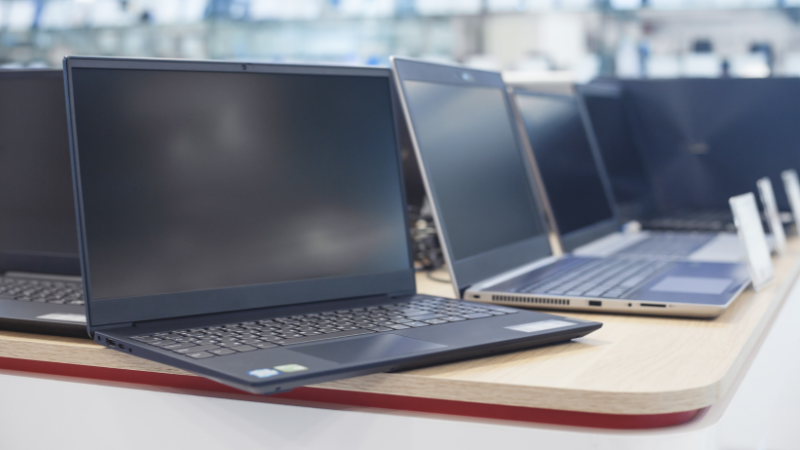
Device as a Service (DaaS) is a way for businesses to get the devices they need without buying and managing everything on their own. Instead of paying a large upfront cost for laptops, desktops or other devices, a business pays a regular subscription fee.
The DaaS provider supplies the devices and often takes care of setup and support. This can include laptops, desktops, tablets and other business equipment.
DaaS also covers more than just the device. The service may include maintenance, technical support, security updates and repairs. The provider can also manage the device throughout its lifecycle.
When a device becomes old or needs to be replaced, the provider can help with the upgrade or replacement. This gives businesses a simpler way to manage their IT equipment while keeping devices ready for employees.
How Device as a Service Works
Device as a Service starts with understanding the business needs. The provider looks at the number of employees and the type of work they do. This helps determine which devices are needed.
Next comes device selection. The business can choose laptops, desktops or other devices that match its requirements.
The provider then handles deployment and configuration. Devices are set up with the required software and security settings. They are then ready for employees to use.
Support continues after deployment. The provider can handle maintenance and technical issues. This reduces the workload for the internal IT team.
As devices get older, they can be refreshed or replaced. The business can move to newer devices without managing the entire upgrade process.
At the end of a device’s life, it should be handled securely. The provider can erase business data and arrange safe disposal or remarketing. This helps protect sensitive information and reduce electronic waste.
Benefits of Device as a Service
Device as a Service can make IT costs easier to manage. Businesses pay a regular fee instead of making a large upfront investment in hardware. This makes budgeting more predictable.
DaaS also makes device management easier. The provider can handle setup, maintenance, support and replacements. This reduces the pressure on internal IT teams.
Businesses can also get access to newer technology. Devices can be refreshed as they become outdated. Employees can work with hardware that meets their current needs.
Better devices and reliable support can also improve employee productivity. Employees spend less time dealing with device issues and can focus on their work.
DaaS simplifies IT operations by bringing device services under one model. It also gives businesses better control over the full device lifecycle. This includes deployment, maintenance, upgrades and end-of-life management.
Device Lifecycle Management
Device lifecycle management covers every stage of a device. It starts when the business purchases the device and continues until it is no longer needed.
The first step is procurement. Businesses choose and acquire devices based on their needs.
Next comes deployment. Devices are configured and given to employees. The right software and security settings can be added at this stage.
Once devices are in use they need regular monitoring and maintenance. Issues can be identified and fixed before they cause major problems.
Devices can also be upgraded or replaced when needed. A regular refresh helps employees use reliable and up-to-date hardware.
When a device is no longer needed it is collected and returned. Business data must be removed before the device leaves the organization.
Data sanitization ensures that sensitive information cannot be recovered. After that the device can be reused or resold if it is still in good condition. Older devices can be recycled or disposed of responsibly.
DaaS + IT Asset Disposition (ITAD)
When a device reaches the end of its useful life it needs to be handled properly. This is where IT Asset Disposition (ITAD) becomes important.
The first step is secure data erasure. All business data should be removed from the device before it is reused or disposed of. This helps protect sensitive company information.
The device can then be inspected and evaluated. If it still has value it may be refurbished or resold. This allows businesses to recover some value from older equipment.
Devices that cannot be reused should be recycled responsibly. Proper recycling helps reduce electronic waste and keeps harmful materials out of landfills.
Asset tracking is also important. Businesses should know where each device goes during the disposal process. Reports can provide a clear record of the entire process.
Certificates and other documents can confirm that data was securely erased and the device was handled correctly. This gives businesses a clear record for compliance and internal reporting.
Why Choose Reloop Recycling for DaaS?
Reloop Recycling can support businesses across the full device lifecycle. This includes device deployment and ongoing management. It also covers collection and end-of-life handling.
When devices are no longer needed they can be processed through secure IT asset disposition. Business data is handled with care. This helps reduce the risk of sensitive information being exposed.
Reloop Recycling follows processes that focus on data security and compliance. Devices can be tracked throughout the process. Businesses can also receive the required documentation.
Older devices may still have value. Equipment that is suitable for reuse can be refurbished or resold. This can help businesses recover value from retired assets.
Devices that cannot be reused can be sent for responsible recycling. This helps reduce electronic waste and supports better environmental practices.
Clear reporting gives businesses better visibility. Records can show what happened to each asset. This makes the entire process easier to track and manage.
Who Can Benefit from DaaS?
Device as a Service can work for businesses of different sizes. It can be useful for small and medium-sized businesses that want to manage IT costs and reduce the workload on their internal teams.
Large enterprises can also benefit from DaaS. Managing a large number of devices can be complex. A managed service can make deployment and maintenance easier.
Startups and growing companies may find DaaS useful as their teams expand. They can add devices as new employees join without making large hardware investments.
DaaS can also support remote and hybrid workplaces. Employees can receive the devices they need while the provider handles support and maintenance.
Organizations that refresh devices often can benefit as well. DaaS makes it easier to replace older equipment and move to newer technology when needed.
Our Device as a Service Process
Our Device as a Service process covers the full device lifecycle. From planning to final recovery. Each stage helps businesses keep their devices secure and easier to manage.
Plan
We start by understanding your business needs. This includes the number of users and the type of devices required.
Deploy
Devices are prepared and configured before they reach employees. The required software and security settings can be added during this stage.
Manage
Once devices are in use they need regular support. We help with maintenance and ongoing device management.
Refresh
Older devices can be upgraded or replaced when needed. This helps employees stay productive with reliable technology.
Recover
When a device is no longer needed we arrange its secure collection. Business data is protected throughout the process.
Reuse or Recycle
Devices that still have value can be refurbished or resold. Equipment that cannot be reused is recycled through responsible processes.
The Reloop Recycling Difference
Reloop Recycling focuses on the complete device lifecycle. It is not just about supplying devices. The goal is to support businesses from the start of the device lifecycle through to its end.
By combining DaaS with responsible IT Asset Disposition (ITAD) businesses can manage their devices through one connected process. Devices can be deployed and maintained during use. They can then be securely collected when they are no longer needed.
We also focus on getting the most value from retired devices. Equipment that is still useful can be reused or resold. Devices that have reached the end of their useful life can be recycled responsibly.
This approach helps businesses recover value from their IT assets. It can also reduce unnecessary electronic waste and support more responsible device management.