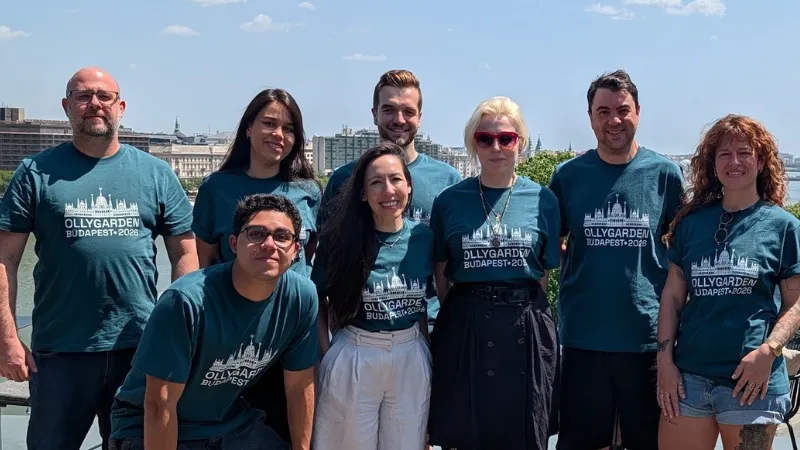
Observability platform OllyGarden has raised $4 million in venture capital funding to improve its technology for managing the quality of monitoring data. The funding round was backed by Next Frontier Capital, Grand Ventures, and ACTAI Ventures, with existing investor DIG Ventures also participating. Observability companies Datadog, Grafana Labs, and Dash0 also made strategic investments.
Launched in 2025, OllyGarden helps businesses improve the quality of the data they use to monitor their software systems. The company works with businesses in retail, financial services, and enterprise software. It addresses the growing problem of unreliable and unnecessary data, which can increase costs and make it harder for engineers to find important information.
OllyGarden’s platform continuously checks monitoring data, identifies problems, and helps fix them at the source. This prevents poor-quality data from reaching observability systems. As a result, engineers and AI agents can work with more reliable information while companies reduce the costs of storing and processing unnecessary data.
Over the past year, OllyGarden has helped businesses identify opportunities to reduce their log volumes by up to 85%.
Alongside the funding announcement, OllyGarden has introduced Minimum Viable Instrumentation (MVI), a new feature for its AI OpenTelemetry Engineer, Rose.
Previously, Rose could review existing instrumentation and recommend improvements. With the new MVI feature, it can also identify missing instrumentation and guide teams in setting up a basic monitoring system.
The feature aims to help businesses maintain consistent monitoring practices across teams, code repositories, and pull requests while avoiding the creation of unnecessary data.
Juraci Paixão Kröhling, founder of OllyGarden, commented: “More instrumentation is not better instrumentation. It’s about surfacing only the information and data that’s useful and actionable: no more, no less.”
OllyGarden’s technology is built on OpenTelemetry, a widely used standard for collecting software monitoring data. It helps companies follow best practices for monitoring their systems across their business, even when they have small teams managing observability.