
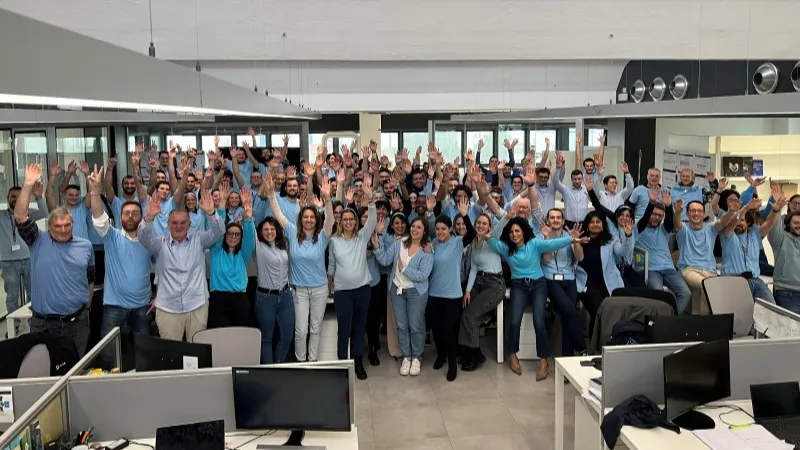
Medical Microinstruments (MMI), a medical robotics company, has raised $125 million in Series D funding. The company develops robotic technology designed to help doctors treat complex medical conditions and improve patient outcomes.
The funding round was led by existing investor BioStar Capital. New investors S3 Ventures, Angelini Ventures, and an undisclosed corporate investor also participated.
MMI’s existing investors also contributed to the round, showing their continued support for the company’s growth. The funding comes as the use of robotic microsurgery continues to expand worldwide.
“We’ve proven there is demand for robotic microsurgery at leading institutions around the world. Now, our focus is translating that adoption into scale,” said Mark Toland, CEO of MMI. “This investment gives us the ability to expand our reach, accelerate adoption and continue advancing the platform through innovation in areas like energy instruments and digital surgery capabilities.”
“We’re excited to lead the oversubscribed round of funding. MMI represents the pinnacle of what we look for at BioStar: a transformational medical technology with the potential to revolutionize patient care and then some,” said Louie Cannon, MD, founder and senior managing director of BioStar Capital. “The most consequential innovations don’t simply improve upon what exists. They create capabilities medicine did not have before. MMI is already demonstrating that in cancer-related lymphedema, and as our scientific understanding of the lymphatic system continues to advance, we believe the company is only beginning to show what those capabilities could mean for patients.”
Medical Microinstruments (MMI) aims to improve robotic technology for open surgery involving soft tissues. The company wants to help surgeons treat patients with complex medical conditions and improve their quality of life. Founded in 2015 near Pisa, Italy, MMI develops advanced robotic systems for delicate surgical procedures.
MMI’s technology, called the Symani® Surgical System, uses extremely small, flexible surgical instruments along with technology that reduces hand tremors and helps surgeons make precise movements. It is designed to support delicate procedures such as repairing tiny blood vessels and lymphatic vessels. In Europe and the Asia-Pacific region, the system is also used for peripheral nerve repair.