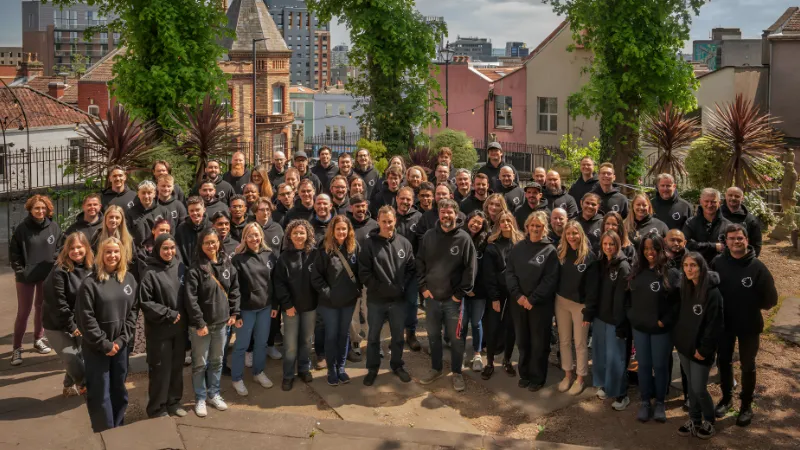
Tristar AI, a manufacturing technology startup developing AI-powered visual inspection and factory intelligence solutions, has raised $12.4 million in Series A funding.
The funding round was led by Isogon Ventures, with participation from Blackhorn Ventures, Ford Street Ventures, ISAI Cap Venture, Capgemini’s VC Fund managed by ISAI, Las Olas VC, NextView Ventures, Seraph Partners, SNR Ventures and TenOneTen.
The company will use the new funding to improve its AI vision and edge computing platform, expand into additional manufacturing sectors, and strengthen its customer support and deployment teams. It also plans to grow its sales and marketing operations to meet increasing demand from manufacturers.
“I grew up in my family’s plastic-film plant. I remember going in with my dad at odd hours to fix costly errors that could erase a month’s margin if they weren’t caught right away. My dad spent decades working to get it right, so I’ve dedicated myself to building technology that catches those problems early,” said Salem Karani, CEO and co-founder of Tristar AI. “The problem was never that people didn’t care about quality. It’s that people catch problems after the fact, once they’ve already cost time, materials and customers. Tristar gives every line a live record, so teams can act when it matters most. That’s why our customers expand from single lines to entire plants and across locations. This funding lets us serve more manufacturers, more industries and more people who want their products made right the first time.”
Using AI to Improve Manufacturing Quality
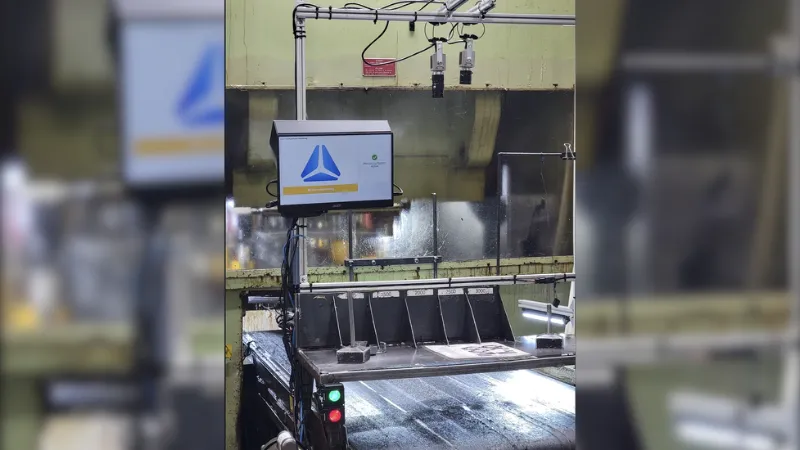
Tristar AI develops an AI-powered visual inspection platform that helps manufacturers detect product defects in real time during production.
Traditional inspection systems often rely on fixed rules and manual checks, which can make it difficult to identify defects across different products and changing production conditions.
Tristar uses AI models that can adapt to different products, defect types, and manufacturing environments. Its technology analyzes production activities to help manufacturers identify quality issues and understand where and why problems occur.
The platform provides immediate feedback to factory operators, while supervisors and plant managers can monitor production performance, product quality and operational efficiency across multiple facilities.
Integrating With Existing Factory Systems
Tristar’s platform works with existing manufacturing infrastructure, including cameras, programmable logic controllers (PLCs), sensors, manufacturing execution systems (MES), enterprise resource planning (ERP) software, and maintenance systems.
This allows manufacturers to introduce AI-powered inspections without replacing their existing equipment and technology.
According to the company, its platform currently operates across more than 500 production lines in North America and Europe. Its customers include major automotive suppliers serving Toyota, Honda, and Mercedes, along with manufacturers in the plastics and film industries.
Live deployments have reported defect-detection accuracy of 95% to 99%, while the company says its platform typically delivers a return on investment within approximately four months.
Addressing Manufacturing Industry Challenges
Manufacturers are facing several challenges, including skilled labour shortages, rising material costs, higher quality expectations, and increasing pressure to bring production closer to home.
Traditional inspection processes can take skilled workers away from production tasks while still allowing some quality issues to go undetected. These problems can lead to wasted materials, production delays, rework costs, and customer complaints.
Tristar aims to address these challenges by automating visual inspections and providing real-time production intelligence.
The company has expanded more than fourfold over the past year, reflecting growing demand for AI-powered manufacturing solutions.
Company Growth and Future Plans
Founded by CEO Salem Karani, Tristar AI is headquartered in Cambridge, Massachusetts.
With its latest Series A funding, the company plans to expand its technology across more manufacturing industries and support larger enterprise deployments involving multiple production facilities.
Its long-term goal is to become a central intelligence platform for factory operations, helping manufacturers monitor product quality and production performance from raw material inspection to final shipment.