
Thunder Compute, a San Francisco-based GPU virtualization and cloud infrastructure company, has raised $13 million in Series A funding to scale its enterprise virtualization technology and expand adoption among organizations seeking to improve the utilization of their existing GPU infrastructure.
The round was led by Matrix Partners, with participation from Y Combinator and CEAS Investments.
Scaling GPU Infrastructure Efficiency
Thunder Compute plans to use the new capital to scale its enterprise-grade virtualization technology, expand its infrastructure engineering team, and accelerate commercial partnerships with enterprises looking to maximize the efficiency and capacity of their physical GPU fleets.
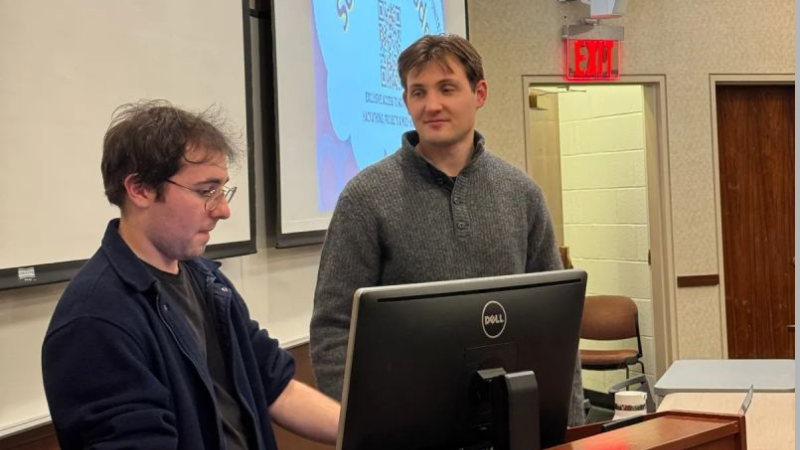
Founded by Carl Peterson and Brian Peterson, Thunder Compute has developed a proprietary GPU virtualization software stack that treats high-performance GPUs as elastic, shareable network resources.
“There is a massive efficiency problem with over $200 billion in data center capacity sitting idle because GPUs are the only hardware that aren’t virtualized,” said Carl Peterson, co-founder of Thunder Compute. “Four years ago, we saw this gap and set out to build out the VMware for GPUs. Since then, we have invented cutting-edge virtualization technology for GPUs and have hardened it through our self-serve cloud offering, where over 10,000 users have run their workloads on our virtualized GPUs. This funding will help us virtualize GPUs at scale by partnering with enterprises seeking to create more capacity within their existing GPU fleets.”
A “VMware for GPUs”
Thunder Compute describes its technology as a “VMware for GPUs.” The platform operates beneath the workload layer, changing how machine learning applications interact with physical GPU hardware.
By virtualizing GPU resources, the platform allows multiple enterprise workloads to dynamically share the same physical hardware. GPU capacity can be allocated based on demand, potentially reducing idle capacity and improving overall infrastructure utilization.
The virtualization layer is designed to operate transparently within existing developer workflows, allow organizations to use their current software environments without requiring significant changes to how applications are built or deployed.
Supporting Growing AI Workloads
As enterprises increasingly deploy AI and machine learning workloads, access to high-performance GPUs has become a major infrastructure challenge. Thunder Compute aims to address this problem by enabling organizations to get more capacity and flexibility from their existing physical GPU fleets.
The company says its technology is already supporting more than 10,000 active users, helping organizations reduce GPU capacity bottlenecks while improving access to computational resources.
With its latest Series A financing, Thunder Compute plans to expand its engineering capabilities and build partnerships with enterprises seeking more efficient ways to manage and scale GPU infrastructure.