The United Kingdom is entering an important period in the development of its electronic waste market. Electronics have become part of almost every area of modern life. People use smartphones. laptops. televisions. tablets. gaming devices and smart home products every day. Businesses also depend on computers. servers. networking equipment and other digital technologies.
As technology develops people are replacing electronic products more frequently. New models are released every year and consumers often replace devices even when their older products still work. This creates a growing amount of electronic waste.
By 2030 the UK e-waste market is expected to become more focused on recycling. repair. refurbishment and reuse. The market will also place greater attention on recovering valuable materials from old electronics.
The opportunity is not limited to traditional recycling. It includes the entire lifecycle of an electronic product.
A Growing E-Waste Problem
The UK has a large and developed consumer electronics market. This creates a continuous supply of products that eventually reach the end of their useful life.
The UK government has recognised waste electrical and electronic equipment as an important waste stream. This waste is commonly known as WEEE.
WEEE includes products such as computers. phones. refrigerators. washing machines. televisions. lighting equipment and many other electrical products.
The UK has one of the more developed systems for managing electrical waste in Europe. However significant challenges remain.
Large numbers of unwanted electronics are still stored in homes or businesses. Some products are placed in general waste instead of being recycled. Others may enter informal or less controlled disposal routes.
This creates an opportunity for the industry to improve collection and recovery.
The Shift From Recycling to Reuse
One of the biggest changes expected by 2030 will be a stronger focus on reuse.
Recycling is important but it is not always the first option.
If an old laptop still works it may be better to repair and sell it rather than break it down for raw materials. The same applies to smartphones. tablets. monitors and other devices.
Refurbishment can give electronic products a second life.
A refurbished device can be tested. repaired. cleaned and sold to another consumer or business.
This creates value while reducing the demand for new products.
The refurbished electronics market is therefore likely to become closely connected with the e-waste industry.
By 2030 many companies may operate across both areas. They will collect unwanted products and then decide whether each item should be repaired. reused or recycled.
The Circular Economy
The circular economy will become increasingly important in the UK.
The traditional model is based on producing a product. selling it. using it and then throwing it away.
A circular economy tries to keep products and materials in use for as long as possible.
For electronics this can mean repairing a product instead of replacing it. It can mean using refurbished components. It can also mean recovering metals and plastics from products that can no longer be used.
The UK government has been working toward a more circular economy through waste reduction. resource efficiency and improved product design.
By 2030 manufacturers may face greater pressure to design products that last longer and are easier to repair.
Regulation Will Shape the Market
Government regulation will remain one of the most important factors in the UK e-waste market.
The UK operates a WEEE system that places responsibilities on producers and other participants in the supply chain.
The rules are designed to encourage the collection and proper treatment of electrical and electronic waste.
The regulatory environment is also evolving.
The UK government has been developing policies related to resource efficiency. product design and extended producer responsibility.
These policies can influence how manufacturers design products and how retailers collect unwanted electronics.
For businesses this creates both costs and opportunities.
Companies that understand the regulatory environment can develop services that help manufacturers and retailers meet their responsibilities.
Producer Responsibility
Producer responsibility is likely to become more important by 2030.
The basic idea is simple.
Companies that place electronic products on the market should have a role in managing those products when they reach the end of their useful life.
This can encourage manufacturers to think about the entire lifecycle of their products.
Instead of focusing only on production and sales companies may also need to consider repair. collection. recycling and material recovery.
This could lead to more manufacturer take-back programs.
Retailers may also become important collection points for unwanted electronics.
For consumers this could make responsible disposal easier.
Valuable Materials Inside E-Waste
Electronic waste contains many valuable materials.
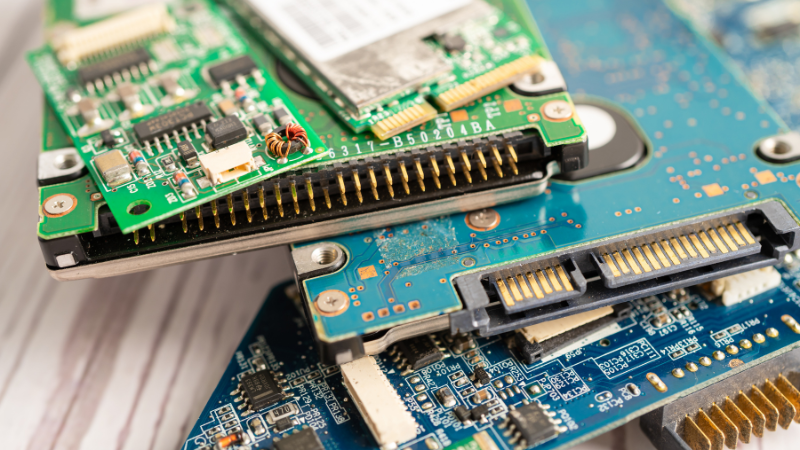
Old computers and phones can contain copper. aluminium. gold and other metals.
Some electronic products also contain materials that are important for modern technologies.
Recovering these materials can reduce the need for new mining.
It can also create a domestic source of raw materials.
This idea is sometimes described as urban mining.
Instead of looking at an old phone as waste companies can look at it as a small source of valuable resources.
The challenge is making recovery economically viable.
Electronics contain many different materials that are tightly connected. Separating them can require specialised equipment and skilled workers.
Companies that develop efficient recovery technologies could therefore play an important role in the UK market by 2030.
Batteries Will Change the Market
The growth of battery-powered products will also have a major impact.
Smartphones. laptops. electric vehicles and energy storage systems all use batteries.
As the number of battery-powered products increases the amount of battery waste will also increase.
Batteries require special handling.
Damaged batteries can create fire risks during collection and transportation. Recycling also requires specialised processes.
This means the UK e-waste industry will become increasingly connected with the battery recycling industry.
Companies will need systems that can identify. collect. store and process batteries safely.
Battery material recovery could become an important part of the wider circular economy.
Data Security and E-Waste
Data security is another important part of the market.
Old electronic devices often contain sensitive information.
A business laptop can contain customer information. financial records and company documents.
A smartphone can contain photographs. passwords and personal information.
Simply giving an old device to a recycling company is therefore not enough for many organisations.
Businesses need secure data destruction.
This creates an opportunity for professional e-waste companies.
They can collect devices. track them through the recycling process and securely erase or destroy data.
After data destruction the equipment can be assessed for reuse or recycling.
This service will become increasingly important as businesses replace large numbers of computers and other electronic equipment.
Technology Will Improve Recycling
Technology will have an important role in the future of UK e-waste management.
Artificial intelligence can help identify different products.
Computer vision can support automated sorting.
Robotics can assist with dismantling electronic products.
Digital tracking can provide information about where products are collected and where their materials eventually go.
These technologies can improve efficiency and reduce processing costs.
However people will remain important.
Repairing electronics requires knowledge and experience. Testing refurbished products also requires skilled workers.
The future industry will probably combine technology with human expertise.
Collection Remains a Major Challenge
One of the biggest challenges facing the UK e-waste market is collection.
Many households have old phones. chargers. computers and other devices stored in cupboards and drawers.
People may keep these products because they believe they might use them again.
Businesses also store old equipment because they need to protect sensitive information.
This means a large amount of potential recyclable material may remain outside formal recycling systems.
Making collection convenient will be essential.
Retailers can provide take-back services.
Manufacturers can offer return programs.
Local authorities can improve collection points.
Recycling companies can provide collection services for businesses.
The easier the process becomes the more electronics can enter the formal recycling system.
The Growth of Refurbished Electronics
The refurbished electronics market could become one of the strongest parts of the UK circular economy.
Consumers are becoming more comfortable with buying refurbished smartphones. laptops and other electronics.
The main attraction is price.
A refurbished device can cost significantly less than a new product.
Environmental concerns can also influence buying decisions.
Buying a refurbished product extends the life of an existing device. It can reduce the need to manufacture another product and can keep electronic waste out of the waste stream.
By 2030 refurbished products could become a normal part of the electronics market rather than a niche category.
Business and Employment Opportunities
The growth of the e-waste market can create employment opportunities across the UK.
Jobs can be created in collection. transportation. repair. refurbishment. testing. recycling and material recovery.
There will also be demand for engineers. technicians. data security specialists and environmental professionals.
Small businesses could benefit as well.
Local repair shops can extend the life of electronic products.
Specialised recycling companies can process particular types of equipment.
Online platforms can connect buyers with refurbished electronics.
This creates an ecosystem that extends far beyond traditional waste management.
What the UK E-Waste Market Could Look Like in 2030
By 2030 the UK e-waste market could become a more integrated industry.
Collection companies will gather unwanted products from households and businesses.
Repair businesses will extend the useful life of working devices.
Refurbishment companies will prepare used electronics for resale.
Data destruction companies will provide secure processing for businesses.
Recycling facilities will recover metals and other materials.
Manufacturers will increasingly participate in take-back and recycling programs.
These activities will work together to create a more circular electronics economy.
The value of an electronic product will no longer end when the consumer stops using it.
Its components and materials can continue to generate value.
Conclusion
The UK e-waste market is moving toward a major transformation.
The industry of 2030 will not simply be about collecting unwanted electronics and sending them to recycling facilities.
It will be about keeping products in use for longer.
It will be about repairing devices.
It will be about creating markets for refurbished electronics.
It will be about recovering valuable materials.
It will also be about protecting consumer and business data.
Government regulation will play an important role in this transition. Manufacturers and retailers will have greater responsibilities. Consumers will have more opportunities to return unwanted electronics.
The biggest opportunity may come from changing the way society thinks about electronic waste.
An old smartphone is not simply a piece of rubbish.
It may contain valuable materials.
It may contain useful components.
It may even have several years of useful life remaining.
By 2030 the UK can move closer to a system where electronic products are designed for longer use and where materials remain in the economy instead of becoming waste.
The future of the UK e-waste market will therefore be built around one simple idea:
Waste is not the end of a product’s life. It can be the beginning of its next life.