The United States is entering an important period in the development of its electronic waste or e-waste market. Electronics have become an essential part of everyday life. Smartphones. laptops. televisions. servers. household appliances and other electronic products are used across homes and businesses. As technology develops at a faster pace people are also replacing these products more frequently. This is creating a large and growing stream of electronic waste.
By 2030 the U.S. e-waste market is expected to become more advanced and more valuable. It will not only focus on collecting and recycling old electronics. The industry will increasingly include repair. refurbishment. resale. data destruction. component recovery and extraction of valuable materials.
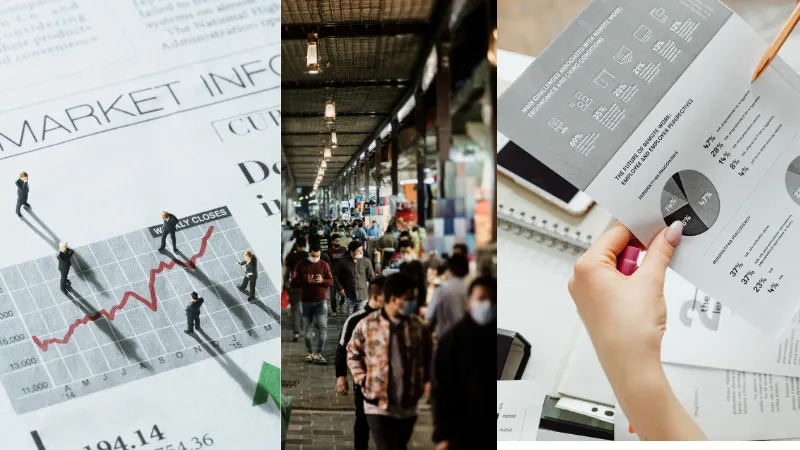
Current market estimates show strong growth in the sector. MarketsandMarkets estimated the U.S. electronic waste recycling market at around $8.6 billion in 2024. It projects the market to reach about $11.8 billion by 2029. This represents an estimated compound annual growth rate of 6.6%. Different research companies use different definitions for the e-waste market. As a result market size estimates can vary significantly.
The more important question is what the U.S. e-waste industry will look like in 2030.
A Growing Volume of Electronic Waste
The growing use of electronic products is the main foundation of the market. Consumers use more connected devices than ever before. Businesses are also increasing their investment in computers. networking equipment. servers and digital infrastructure.
Eventually these products become outdated or stop working.
The U.S. Environmental Protection Agency has estimated that the country generates millions of tons of electronic waste every year. A significant amount of this waste is not captured through formal recycling systems. This creates a major environmental challenge but it also creates a significant business opportunity.
Electronic products contain valuable materials such as copper. aluminum. steel. gold. silver and other metals. Some devices also contain materials that are important for modern technology and manufacturing.
This means that an old electronic device should not always be viewed as ordinary waste. It can also be viewed as a source of valuable resources.
This idea is often described as urban mining.
From Recycling to Reuse
One of the biggest changes expected by 2030 will be the growth of reuse.
Not every electronic product that reaches the end of its first life needs to be destroyed and recycled. A laptop may still work after a company replaces it. A smartphone may only need a new battery. A server may be suitable for another organization after being upgraded.
This creates a growing market for repair and refurbishment.
Companies can collect old devices and test their condition. Working products can be repaired and sold again. Some devices can be used for spare parts. Products that cannot be reused can then be sent for material recovery.
This creates several connected businesses.
These include electronic collection. repair. refurbishment. resale. parts recovery. data destruction and recycling.
By 2030 the e-waste industry is likely to be viewed as a complete lifecycle management industry rather than simply a recycling industry.
The Growth of the Circular Economy
The traditional economic model follows a simple path. A product is manufactured. It is sold. It is used. It is eventually thrown away.
The circular economy follows a different approach.
Products are kept in use for as long as possible. Components are repaired or reused. Materials are recovered when products can no longer be used.
This approach is becoming increasingly important in the electronics sector.
Manufacturers can design products that are easier to repair and disassemble. Companies can create take-back programs. Consumers can return unwanted electronics instead of throwing them away.
The goal is to keep valuable materials in the economy for a longer period.
By 2030 this circular approach could become a major part of the U.S. electronics industry.
Regulation Will Shape the Market

Government policy will also influence the U.S. e-waste market.
The United States does not have one single national system for managing all electronic waste. States have developed different laws and recycling programs.
The EPA reported that 25 states and the District of Columbia had established electronics recycling programs in its 2025 electronics snapshot.
This creates both challenges and opportunities for businesses.
Companies operating across several states may need to follow different requirements. Manufacturers may also face increasing responsibilities for the collection and recycling of their products.
One important concept is Extended Producer Responsibility or EPR.
Under an EPR system manufacturers can be required to help finance or organize the collection and recycling of products after consumers stop using them.
As these policies develop manufacturers are likely to become more involved in the entire lifecycle of their electronic products.
Critical Materials and Urban Mining
Another major opportunity will come from recovering valuable and critical materials.
Modern electronics depend on many different metals and other materials. Some of these resources can be expensive or difficult to obtain.
Recovering materials from old electronics can help reduce the need for new raw material extraction.
This is especially important as the United States works to strengthen domestic supply chains.
However material recovery is not simple.
Electronic devices contain many different materials that are tightly connected. Separating metals from plastics and other components requires specialized technology.
Companies therefore need efficient processing systems.
The future market will not simply depend on how much e-waste a company collects. It will also depend on how much useful material the company can recover from that waste.
Batteries Will Become More Important
Battery-powered products will also have a major impact on the market.
Smartphones. laptops. electric vehicles and energy storage systems all depend on batteries.
As battery use increases the need for safe battery collection and recycling will also increase.
Battery recycling requires special handling because damaged batteries can create fire and safety risks.
This means the e-waste industry will become increasingly connected with the battery recycling industry.
Companies that develop safe collection and processing systems could become important players in the 2030 market.
Data Security Will Be a Major Service
There is another reason why electronic waste is different from normal waste.
Electronic devices can contain sensitive information.
A used laptop may contain company documents. customer information. passwords or financial records. A discarded smartphone may contain photographs and personal information.
Businesses therefore need more than simple recycling services.
They need secure data destruction.
A modern e-waste company can collect old equipment. transport it securely. erase or destroy the data. test the equipment and decide whether it should be refurbished or recycled.
This creates a higher-value service for businesses and government organizations.
Data security could therefore become one of the most important parts of the professional e-waste market by 2030.
Technology Will Transform Recycling
Technology will play an important role in improving e-waste processing.
Artificial intelligence and computer vision can help identify different types of electronic products. Automated sorting systems can separate materials more efficiently. Robotics can assist with disassembly.
Digital tracking systems can also improve transparency.
Businesses can track where equipment was collected. They can record how it was processed and document where recovered materials were sent.
Automation will not completely replace people.
Electronics come in many different forms and models. Repair and refurbishment still require skilled workers.
The industry of 2030 will probably combine automation with human expertise.
The Challenge of Collection
One of the biggest challenges for the U.S. e-waste market is collection.
Many people keep old phones and laptops at home. Businesses often store outdated computers because they are concerned about sensitive data.
Some consumers also do not know where they can safely recycle their electronics.
Making collection easier will therefore be essential.
Retailers. manufacturers. local governments and recycling companies can all help create convenient collection systems.
Trust will also be important.
Consumers and businesses need confidence that their electronics will be handled responsibly and that their personal information will be protected.
The EPA recommends responsible reuse and recycling. It also identifies R2 and e-Stewards as major certification standards for electronics recyclers.
What the U.S. Market Could Look Like in 2030
By 2030 the U.S. e-waste industry could develop into a large ecosystem with several connected areas.
Collection and logistics will focus on gathering old electronics from homes and businesses.
Repair and refurbishment will extend the useful life of products.
Resale will create secondary markets for used electronics.
Component recovery will allow companies to recover useful parts from damaged products.
Material recycling will recover metals and other resources.
Data destruction will protect sensitive information.
Compliance services will help manufacturers and businesses meet recycling requirements.
These activities will become increasingly connected.
A single electronic device could move through several stages before its final material recovery.
Conclusion
The U.S. e-waste market is moving toward an important transformation.
The future will not be only about collecting old electronics and sending them to recycling plants. It will be about finding the highest possible value in every device.
A working laptop may become a refurbished laptop. A damaged smartphone may provide spare parts. A server may be reused by another organization. A device that cannot be reused may provide valuable metals.
This approach can reduce waste while creating new economic opportunities.
The market will also create demand for new technologies. Skilled workers. recycling infrastructure and data security services.
By 2030 the most important question may no longer be “How do we dispose of electronic waste?”
The question will be “How much value can we recover before an electronic product becomes waste?”
This change from disposal to recovery could define the next stage of the U.S. e-waste industry.
The United States has a large and growing supply of discarded electronics. It also has the technology. capital and industrial capacity needed to build a stronger circular economy around those products.
The companies that can successfully connect collection. reuse. repair. refurbishment. recycling and material recovery will have an important role in shaping the U.S. e-waste market of 2030.